
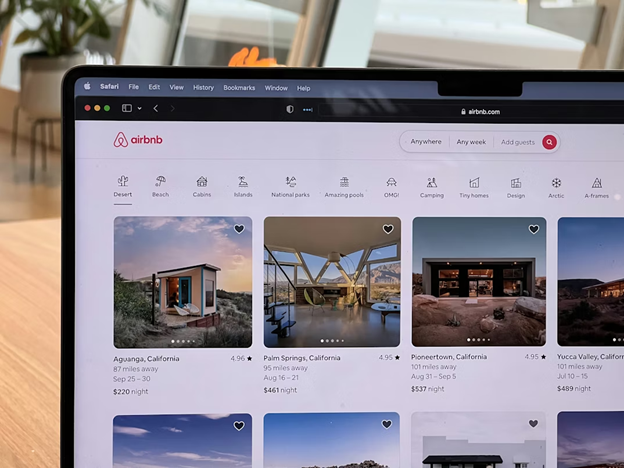
Short-term rentals have transformed the way people travel, offering flexibility, comfort, and the feeling of living like a local. Platforms like Airbnb make it easy to book homes, apartments, and unique spaces almost anywhere in the world.
As these rentals have grown in popularity, concerns about guest privacy have increased. Understanding what to expect and what to look out for can help you enjoy your stay with confidence.
Understanding Privacy Expectations in Short-Term Rentals
When booking a vacation rental, most guests assume a reasonable level of privacy similar to that of a hotel room.
You expect the space to be yours for the duration of your stay, free from monitoring or unannounced entry. In most cases, this expectation is reasonable and supported by platform policies.
That said, short-term rentals are private properties, which can create gray areas around surveillance and monitoring.
Hosts may install security devices for legitimate reasons, such as protecting entrances or monitoring vacant properties between stays. Problems arise when monitoring crosses into private living spaces or when guests are not informed.
Knowing what is allowed, what must be disclosed, and what crosses the line is important before confirming a booking.
What Airbnb’s Policies Say About Surveillance
Airbnb has specific rules regarding surveillance devices, and these policies are designed to protect guests. Hosts are prohibited from placing cameras or recording devices in private areas such as bedrooms and bathrooms. This includes both visible and hidden devices.
Outdoor cameras and devices in common entry areas may be allowed, but only if they are clearly disclosed in the listing description.
Audio recording devices are not permitted at all, even in common areas. These rules apply regardless of whether the devices are actively monitored or simply installed.
In spite of these policies, enforcement often relies on guest reporting. This makes it important for travelers to remain observant and informed.
Why Privacy Concerns Still Exist
Even with clear platform rules, privacy concerns persist since not all hosts follow guidelines, and not all violations are obvious. Hidden cameras can be difficult to detect, and guests may not realize something is wrong until after their stay, or even later.
In recent years, travelers have reported incidents involving undisclosed cameras in living rooms, kitchens, and even sleeping areas. These cases have raised awareness about the possibility of being videotaped in your rental getaway, prompting travelers to take privacy checks more seriously before settling in. As such incidents are not the norm, their impact is significant enough to warrant caution and preparation.
How to Spot Potential Privacy Red Flags Before Booking
Protecting your privacy starts before you ever arrive at the property. Carefully reviewing the listing can reveal early warning signs.
Look for vague descriptions about “security features” without clear explanations of where devices are located. Transparency is key, and reputable hosts tend to be specific.
Reading guest reviews is equally important. Comments mentioning discomfort, strange devices, or host intrusions should not be ignored. Even subtle remarks about a host being “overly attentive” or “frequently checking in” can signal boundary issues.
You can message the host directly with questions about privacy and surveillance. Clear, respectful inquiries often reveal how seriously a host takes guest comfort.
What to Check Once You Arrive
Upon arrival, take a few minutes to familiarize yourself with the space beyond unpacking. Look around common areas, bedrooms, and bathrooms for unfamiliar devices. Items such as smoke detectors, clocks, air purifiers, or Wi-Fi routers can sometimes conceal cameras.
Pay attention to whether any devices seem oddly placed or positioned toward sleeping or changing areas.
If something feels off, trust your instincts and investigate further. Simple steps like turning off the lights and scanning for small indicator lights can sometimes reveal hidden electronics.
Checking the Wi-Fi network for unfamiliar connected devices can provide clues in smaller rentals with limited smart technology.
What to Do If You Suspect a Privacy Violation
If you believe your privacy has been compromised, your priority should be your safety. Avoid tampering with any suspected devices, as this could complicate reporting or investigations later. Document what you observe by taking photos or videos, if possible.
Contact the platform immediately through official support channels and explain the situation clearly. Most platforms take these claims seriously and can help relocate you if needed. In severe cases, you may want to contact local authorities to understand your legal options.
Leaving the property may feel disruptive, but protecting your personal security and peace of mind is more important than salvaging a reservation.
Legal Considerations and Guest Rights
Privacy laws vary by location, but many regions have strict regulations regarding surveillance in private spaces. Recording individuals without consent in areas where privacy is expected is often illegal. This applies regardless of whether the property is a rental or privately owned.
Guests have the right to know if they are being monitored and where. Hosts who violate these expectations may face platform penalties, legal consequences, or both.
Understanding that these rights exist can empower travelers to take action rather than feel helpless.
It is worth noting that civil remedies may be available in some cases, particularly when privacy violations cause emotional distress or reputational harm.
Balancing Safety and Privacy as a Traveler
Not all surveillance is inherently problematic. Cameras focused on exterior entrances can deter theft and provide reassurance in unfamiliar areas. The key distinction lies in transparency and placement.
As a guest, your goal is not to avoid rentals with any security measures, but to choose accommodations where those measures are clearly disclosed and reasonably limited. When safety features are communicated openly, they tend to improve trust rather than undermine it.
Being proactive about privacy does not mean being paranoid; it means being informed and attentive.

Final Thoughts Before Your Next Booking
Airbnb and similar platforms offer incredible opportunities for unique and comfortable travel experiences.
Privacy should never be an afterthought. By understanding platform policies, recognizing red flags, and knowing how to respond to concerns, travelers can reduce risks and travel with greater confidence.
A few minutes of research and awareness can make the difference between a relaxing stay and a deeply uncomfortable experience. As short-term rentals continue to evolve, informed guests play an important role in setting expectations and maintaining standards for everyone.