
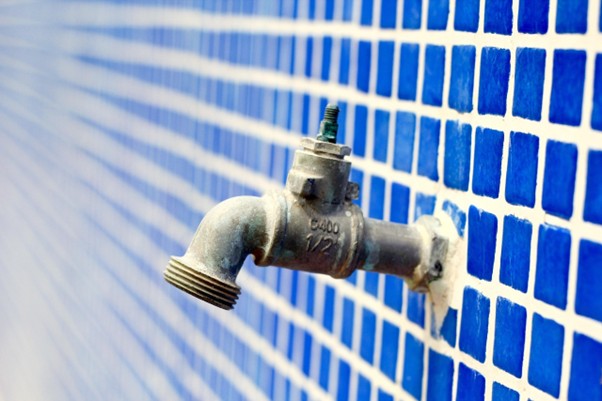
Plumbing issues rarely appear out of nowhere. Most start as small hints around sinks, tubs, or walls, then grow into leaks, smells, or damage that is costly to fix.
Spotting the early signs helps you act before a drip becomes a flood. Here are the everyday clues to watch for and what they may mean for your home.
Dripping Taps And Silent Leaks
A steady drip might seem harmless, but it adds up in water costs and wear on fixtures. If a faucet can’t fully shut off or the handle feels loose, the internal cartridge or washer may be failing.
Look under sinks for damp wood, swollen particleboard, or chalky mineral tracks. These marks often show a slow leak that runs only when the fixture is in use.
Listen at night when the house is quiet. A faint hiss behind a vanity or a meter that spins with no taps open can point to a hidden supply line leak.
If the faucet stops dripping when you gently press the handle, that temporary fix won’t last. Replace worn parts soon to avoid bigger repairs.
Slow Drains And Gurgling Sounds
Water pooling around your ankles in the shower isn’t normal, really. Soap, hair, and grease build up inside the pipe, and quick fixes often shove the clog deeper.
You might also hear odd glugs after a flush or when a nearby sink drains. Consider calling trusted plumbing experts if the gurgling keeps coming back often. It may signal a vent or main line issue. Keep notes on which fixtures act up so a pro can map the pattern.
Watch for crosstalk between fixtures. If a toilet bubbles when a tub drains, the blockage likely sits beyond the branch that serves both.
Skip harsh chemical cleaners that can soften seals. Use a drain snake or enzyme cleaner, and clean pop-up stoppers where hair collects.
Running Toilets And Surprise Spikes
A toilet that runs after every flush is wasting water even when you do nothing. The usual culprits are a worn flapper, a chain that snags, or a fill valve that won’t shut.
Pay attention to your bill for sudden increases after normal use. A recent article in The Guardian noted that a dripping tap or a running toilet can waste up to 400 liters of water a day, which adds up fast.
Lift the tank lid and do a quick dye test with food coloring in the tank. If the bowl changes color without flushing, water is seeping past the flapper.
If jiggling the handle helps, that is only a clue. Replace the flapper and adjust the chain so it has slight slack, then set the waterline to the mark inside the tank.
Low Water Pressure And Flow Changes
Weak shower spray or slow sink flow can come from clogged aerators. Mineral grit builds on the screens and makes water feel weak, even with good pressure.
Clean aerators and showerheads in vinegar, then test again. If the whole house feels weak, the issue could be the pressure regulator or a partially closed main valve.
Notice patterns by fixture and time of day. If pressure dips only when an appliance runs, the supply lines may be undersized, or the regulator is set too low.
If hot water is the only weak flow, sediment may be clogging the water heater outlet or the mixing valve. Flushing the tank and servicing valves can restore balance.
Stains, Spots, And Peeling Paint
Brown rings on ceilings or soft drywall signal a leak above. Water can travel along framing, so the drip may not sit right below the source.
Peeling paint or bubbling trim near tubs and showers points to failed caulk or grout that lets spray creep behind surfaces. Replace caulk and regrout cracked joints.
Watch for white crusty deposits on shutoff valves. That mineral bloom often forms where a tiny weep dries again and again.
If a spot grows after each shower, you likely have a splash or enclosure leak, not a supply burst. Fix the enclosure first to rule out easy causes.

Sewer Smells Where They Shouldn’t Be
A sour or rotten egg odor near a sink, tub, or floor drain is a red flag. Traps that dry out or loose cleanout caps can let gases enter living spaces.
Check seldom-used fixtures first. A recent guide from The Spruce explained that sewer gas can rise through drains due to plumbing faults or installation issues, such as dry traps or vent problems.
Run water into floor drains and guest bath sinks to refill traps. Add a teaspoon of mineral oil to slow evaporation in drains that sit idle.
If odors spike after heavy rain, the issue might be a partial main blockage or venting problem. Document when smells appear and call for an inspection with a smoke or camera test.
Most plumbing problems start small, and the first hints are usually visible, audible, or easy to smell. Make a habit of quick weekly checks so you catch changes early.
Keep simple tools on hand, like a plunger, a hand snake, and spare flappers. A few low-cost fixes and watchful eyes can save you from bigger damage later.