
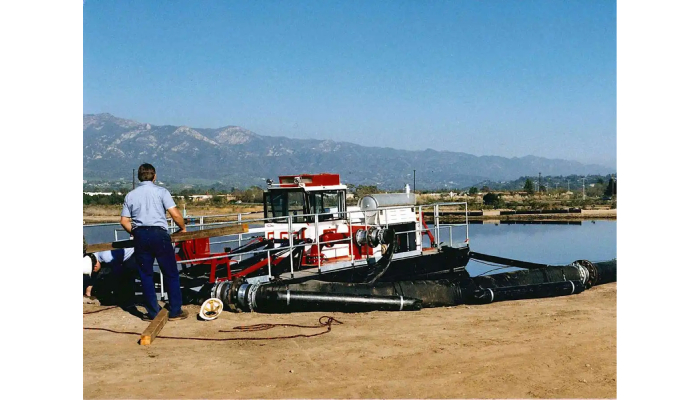
Buying a mine tailings dredge involves careful planning and understanding of your project needs. First, pinpoint the type of material to be dredged, whether it’s sand, silt, or maybe clay, as this determines which equipment is right for you. Additionally, assess site conditions like water depth and sediment type to find an efficient dredging method. Size matters too; small tasks may require a compact dredge while larger jobs need hefty systems. Don’t overlook supplier credibility; dependable providers offer essential support and parts. Finally, think about modern technologies for better operational monitoring and ensure compliance with safety regulations. Proper training also plays a key role in maximizing efficiency.
1. Understanding Your Project Requirements
Before diving into the purchase of a mine tailings dredge, it’s crucial to clearly understand your specific project requirements. Start by identifying your dredging goals. Are you focusing on capacity, efficiency, or the type of material you need to dredge? This understanding will help tailor your approach. Engaging with engineers or project managers can align your dredging needs with overall project timelines and budgets, ensuring a smoother operation.
Environmental impacts should also be a priority. Obtaining the necessary permits before commencing dredging activities is essential to avoid potential legal issues. It’s wise to assess the local geography, as factors like tides and currents can significantly affect your dredging operations.
Additionally, consider the duration of your project. Choosing equipment that can sustain long-term operations without exceeding your budget is key. You should also evaluate your disposal options for the material after dredging, ensuring compliance with environmental standards.
Involving stakeholders early in the process can provide valuable insights and help foster support for your project. Developing a risk management plan will prepare you for unexpected challenges, such as geological surprises. Researching case studies of similar projects can offer forecasts of potential challenges and solutions. Lastly, document all project requirements clearly to serve as a reliable reference throughout the procurement process.
- Identify the specific dredging goals such as capacity, efficiency, and material type to tailor your approach.
- Consult with engineers or project managers to align dredging needs with overall project timelines and budgets.
- Consider environmental impacts and obtain necessary permits before commencing dredging activities.
- Assess the local geography to understand how it may affect dredging operations, including potential challenges like currents and tides.
- Determine the duration of the project to choose equipment that can sustain long-term operations without exceeding budget.
- Evaluate the potential for material disposal post-dredging to ensure compliance with environmental standards.
- Involve stakeholders early to gather insights and foster support for the dredging project.
2. Choosing the Right Dredge Size and Type
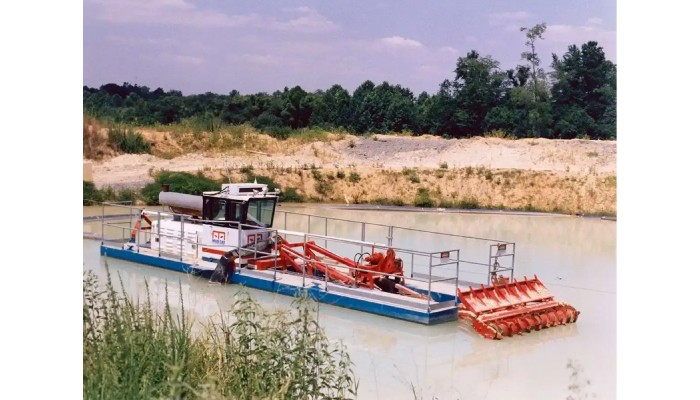
When selecting the right dredge size and type for your project, it’s essential to understand the various options available, such as cutter suction dredges, dredge pumps, and hopper dredges. Each type serves a specific purpose, so knowing your project’s requirements can help narrow down the choices. For instance, if you’re dealing with dense clay or rock, a cutter suction dredge might be more efficient than a hopper dredge.
Estimating the volume of material to be dredged is crucial for determining the appropriate size of the dredge. If you’re tackling a smaller project, a compact dredge could suffice, but larger operations will benefit from high-capacity systems. Consider the dredging depth and the soil type too; the dredge must be capable of managing the conditions at your site.
Mobility is another key factor. A dredge that can easily navigate your project site will save you time and effort, enabling it to reach all necessary areas without hassle. Additionally, evaluating the horsepower and pump capacity ensures that the dredge can meet the demands of your project effectively.
Operational costs can vary significantly between dredge types, so finding a balance between performance and budget is essential. Look into the dredging speed and efficiency ratings to gauge how quickly your project can progress. It’s also wise to consider the availability of spare parts and support for the dredge types you’re evaluating, as this can help minimize downtime during operations.
Lastly, consult with experienced dredging professionals who can offer insights tailored to your specific needs. They can assist in identifying the best dredge options, making your purchasing decision easier and more informed.
3. Assessing Supplier Credibility
When buying a mine tailings dredge, assessing the credibility of your supplier is crucial. Start by checking online reviews and testimonials to see what other customers say about their experiences. Positive feedback can indicate reliability and service quality. Additionally, don’t hesitate to request references from the supplier. Following up with these contacts can give you a clearer picture of their satisfaction levels and the supplier’s overall reputation.
It’s also essential to evaluate the supplier’s history in the industry. A supplier that has been in business for many years with a track record of successful projects is often a safer bet. Financial stability is another factor to consider, as you want to ensure that the supplier can support your project throughout its duration.
Discussing warranty options and support services is vital as well. A reputable supplier will stand behind their products, so inquire about the warranties they offer and the level of customer support available. Quick response times to inquiries are a good sign of a supplier that prioritizes customer service, ensuring you receive timely assistance during operations.
Look for suppliers that provide comprehensive documentation and training materials. This support can significantly enhance your team’s ability to use and maintain the equipment effectively. Additionally, assess their inventory of spare parts. Quick access to necessary components can minimize downtime and keep your project running smoothly.
Consider suppliers that offer customized solutions tailored to your specific project needs. Engaging in face-to-face discussions can further help you understand their approach and values, solidifying your trust in their capability to deliver.
4. Evaluating Condition of Used Dredges
When considering a used mine tailings dredge, evaluating its condition is crucial to ensure a sound investment. Start by requesting detailed maintenance records from the previous owner. These documents will give you insights into the dredge’s repair history and care. Next, conduct thorough inspections focusing on key components like the pump, engine, and hull. Look for signs of wear and tear, as these can be indicative of future issues. If you’re not confident in your assessment, consider hiring a third-party inspector. They can provide an unbiased evaluation of the dredge’s condition.
It’s also essential to check for any past accidents or incidents that might have compromised the dredge’s performance or safety. Inquire whether the previous owner followed the original manufacturer’s maintenance recommendations, as this can significantly impact the dredge’s longevity. Additionally, verify the availability of replacement parts; knowing you can easily source parts down the line is vital.
Discuss any modifications made to the dredge, as these could affect its performance or regulatory compliance. Reviewing the operating hours can help gauge how much use the dredge has seen and its remaining lifespan. Before making a purchase, require a trial run or demonstration to observe the dredge in action. Lastly, ensure that the purchase agreement includes warranties or guarantees to protect against potential future issues. This comprehensive evaluation process is essential to ensure the dredge you choose will meet your operational needs without unexpected setbacks.
5. Total Cost Considerations
When considering the total cost of ownership for a mine tailings dredge, it’s essential to look beyond just the initial purchase price. Start by breaking down all associated expenses, including operating costs and maintenance fees, to gain a clear financial overview. Fuel consumption rates can have a significant impact on ongoing operational costs, so factor these into your budget. Additionally, don’t forget to evaluate the insurance costs necessary to protect your investment, as these can vary widely depending on the equipment and its usage.
Training costs for operators should also be considered; having well-trained personnel ensures optimal performance of the dredge and can save money in the long run. Furthermore, environmental compliance costs, such as permits and disposal fees, are crucial components of your budget that should not be overlooked.
It’s wise to account for potential downtime due to equipment failure or maintenance, as this can significantly impact project timelines and overall costs. Explore financing options available through suppliers or banks, which can help spread out the initial purchase cost, making it easier on your finances.
Researching the resale values of similar dredges can provide insights into depreciation, helping you anticipate future financial considerations. Also, consider any additional accessories or attachments that may enhance dredge performance and flexibility, as these can add to your total investment. Lastly, create a contingency budget to cover unexpected expenses that may arise during the project, ensuring you’re prepared for anything that comes your way.
6. Ensuring Safety and Compliance
Before you dive into dredging operations, ensuring safety and compliance is crucial. Start by reviewing local and federal regulations regarding dredging. This helps you understand the safety measures that must be in place. Conducting risk assessments before operations can help identify and mitigate potential hazards, ensuring that everyone on site is protected.
Your dredging equipment must meet safety standards and regulations to safeguard both workers and the environment. It’s also vital to train all personnel on safety protocols specific to dredging operations. Proper training minimizes the chances of accidents and injuries, creating a safer work environment.
Keeping emergency equipment readily available on-site is essential. Items like life jackets, first aid kits, and communication devices should always be within reach. Establishing clear communication protocols for the team during dredging operations ensures that everyone stays informed and safe.
Documenting all safety training and compliance efforts provides proof of diligence if needed in the future. Regular inspections of equipment for safety compliance are necessary; address any potential issues immediately.
Creating an emergency response plan tailored to the specific risks associated with your project is also a must. Lastly, engage with local environmental agencies to ensure you comply with ecological standards and practices. This not only protects the environment but also enhances your project’s credibility.
7. Importance of Technological Features
When purchasing a mine tailings dredge, the importance of incorporating cutting-edge technological features cannot be overstated. First off, GPS technology enhances navigation and accuracy, ensuring that dredging operations are as efficient as possible. Imagine having pinpoint accuracy while dredging, which can significantly reduce operational costs and time. Additionally, sonar systems provide real-time data about underwater conditions, allowing for immediate adjustments to optimize dredging efforts. This real-time feedback can mean the difference between a successful project and one fraught with delays or complications.
Automation is another key feature to consider. Dredges with automated controls can improve efficiency, lower labor costs, and minimize human error. These systems can handle repetitive tasks more consistently than manual operators, freeing up human resources for more complex responsibilities. Moreover, data logging systems are essential for tracking performance metrics over time. By analyzing this data, operators can make informed decisions to enhance productivity and performance.
Remote monitoring options are also invaluable, as they allow managers to oversee operations from a distance. This means you can keep an eye on the dredging process whether you’re at the office or on another site. Furthermore, eco-friendly technologies are gaining traction, with innovations that minimize environmental impact and promote sustainability. These features not only help in complying with regulations but also improve your project’s public perception.
Advanced hydraulic systems can enhance control and efficiency in material handling, which is crucial for maximizing output. Effective communication systems among team members can streamline operations, ensuring everyone is on the same page during complex dredging tasks. Lastly, it’s wise to explore software solutions that integrate seamlessly with dredging equipment, enhancing project management and reporting capabilities. Staying updated on emerging technologies in the dredging industry will ensure you are considering the most innovative options available, paving the way for a successful operation.
8. Prioritizing Training and Support
When investing in a mine tailings dredge, prioritizing training and support is essential for optimizing performance and ensuring safety. Look for suppliers who provide comprehensive training programs for operators. This ensures that those handling the dredge are proficient and confident in their roles. Ongoing support is equally important; consider options like technical assistance and troubleshooting help to address any issues that may arise during operation.
The availability of online resources and manuals can further enhance operator education and facilitate equipment maintenance. Encouraging a culture of safety and continuous improvement is key, so regular training updates and refresher courses should be part of your plan. On-site training sessions can maximize hands-on experience, making operators more capable and ready for real-world challenges.
Additionally, seek suppliers that offer certification programs to validate the skills and knowledge of your operators. It’s also wise to include training for maintenance personnel, ensuring they can effectively handle equipment repairs and needs as they come up. Assessing the supplier’s history in providing customer support can give you insight into their commitment to client satisfaction.
Finally, encourage feedback from operators about the training programs. This feedback loop can help to make necessary adjustments and improvements. Investing in training that covers both operational efficiency and safety protocols will ultimately optimize your dredging performance and protect your investment.
9. Comparing Dredging Equipment
When it comes to buying a mine tailings dredge, comparing equipment is crucial to make a wise investment. Start by creating a checklist of essential features and specifications tailored to your project needs. This can include the dredge type, size, power, and technology. Utilize side-by-side comparison charts to visualize differences in specifications and performance metrics, which can help clarify your options. Don’t hesitate to reach out to other dredging professionals for recommendations on specific brands and models, as their insights can be invaluable.
Next, consider the long-term operational costs associated with each dredge. A lower purchase price might seem appealing, but hidden costs can arise, making it essential to assess the total cost of ownership. Additionally, evaluate the supplier’s customer service reputation. Reliable support can significantly reduce downtime and ensure smooth operations. Don’t forget to assess warranty offerings from different suppliers, as this will tell you about the level of protection included with your purchase.
Another factor to keep in mind is the resale value potential of various dredges. Equipment that retains its value can positively impact your financial planning down the road. Look for user reviews and case studies that highlight the performance of different dredges, giving you real-world insights into their reliability. Engage with suppliers to clarify any questions about equipment features or capabilities, ensuring you understand what you’re getting. Finally, remember to consider not just the initial features but also how adaptable the dredge will be for future projects, as this can save you from needing to invest in new equipment sooner than expected.
10. Building a Long-Term Supplier Relationship
Building a strong relationship with your dredge supplier is crucial for long-term success. Start by establishing open lines of communication to foster a collaborative working relationship. Regular check-ins can help address equipment performance and any concerns that arise, ensuring you both stay aligned. By consistently using the same supplier for future projects, you can demonstrate loyalty, often leading to better terms and pricing. Providing feedback about their products and services not only helps them improve but also allows them to better meet your needs. Engaging in joint ventures or projects can strengthen your ties, creating mutual benefits. Participate in supplier-hosted events or training sessions to deepen your understanding and relationship with them. Exploring exclusive partnerships can bring valuable resources and support to both parties. Be proactive in discussing your future needs or changes in project scope, ensuring the supplier remains aligned with your goals. Acknowledge the supplier’s contributions to your success by sharing project outcomes and achievements, which builds goodwill. Above all, cultivate a partnership mentality, treating your supplier as a key team member instead of just a vendor. This approach can lead to a more effective and supportive relationship, benefiting both sides.