
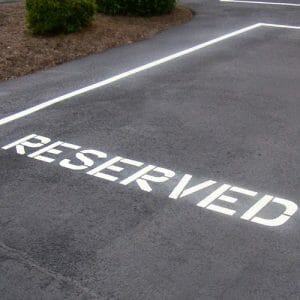
Using a line striping machine can really enhance your pavement marking projects. To achieve crisp lines, start by preparing the surface; check for cracks or debris and clean thoroughly to ensure good paint adhesion. Next, plan your layout carefully with measuring tools and chalk lines for uniformity. When selecting a machine, consider the area size – small lots may need entry-level models, while larger spaces benefit from sturdier machines. Remember to pick the right type of paint: water-based is easier but solvent-based lasts longer in high traffic zones. Finally, maintain a steady pace while striping along your guidelines to create those perfect lines everyone wants to see!
1. Preparation for Striping
Start by examining the area to be striped. Look for cracks, potholes, or uneven surfaces that need repair, as these issues can affect the quality of your line striping machines. A clean and even surface is critical for good adhesion and appearance. Next, remove debris, dirt, and old paint. Power washing the surface can be beneficial to ensure proper paint adherence. After that, use measuring tapes and chalk lines to mark where the lines will go; this ensures uniformity and precision in your layout. It’s also important to check the weather conditions. Plan to stripe on a dry day to prevent the paint from washing away. Gather safety gear like gloves, goggles, and masks for protection. Stripe when the area is least busy to avoid interruptions, and ensure that there’s adequate lighting for clear visibility while you work. Mark boundaries with cones or flags to indicate the work area and prevent accidents. Finally, have all your tools within reach to avoid unnecessary movement during striping, and familiarize yourself with safety guidelines for using machinery.
- Assess the Surface: Check for cracks and potholes that need repair.
- Clean the Area: Remove dirt and debris to ensure good paint adhesion.
- Plan Your Layout: Use measuring tools to mark the lines accurately.
- Check Weather Conditions: Plan to stripe on a dry day to prevent paint from washing away.
- Gather Safety Gear: Equip yourself with gloves, goggles, and masks for protection.
- Consider Traffic Patterns: Stripe when the area is least busy to avoid interruptions.
- Use Proper Lighting: Ensure adequate lighting for clear visibility while working.
- Mark Boundaries: Use cones or flags to indicate the work area to prevent accidents.
- Keep Tools Handy: Have all tools within reach to avoid unnecessary movement during striping.
- Review Safety Protocols: Familiarize yourself with safety guidelines for using machinery.
 2. Choosing the Right Equipment
 2. Choosing the Right Equipment
Selecting the right line striping machine is crucial for achieving those perfect lines. First, consider the size of the area you need to stripe. For small parking lots or driveways, a basic model may be sufficient, while larger spaces often necessitate a more powerful machine. Look for machines with adjustable spray widths; this feature allows you to customize the line thickness based on the project requirements.
Weight is another important factor. A machine that is too heavy can be cumbersome, making it difficult to maneuver, especially for long periods. Opt for a machine that balances performance with manageability. Additionally, a good warranty can help safeguard your investment, so check what kind of coverage is offered.
It’s also wise to read user reviews before making a purchase. Insights from other users can highlight reliable models and potential pitfalls. If you plan to stripe infrequently, consider rental options, which can be more economical than buying. Investing in a quality machine can yield better results, as higher-quality machines typically provide more consistent application.
User-friendly controls are essential, as simpler interfaces can enhance efficiency, especially for beginners. Lastly, evaluate the maintenance needs of the machine. Some require more upkeep than others, so it’s best to choose one that aligns with your commitment level. If you’re uncertain, don’t hesitate to seek advice from professionals to ensure you make the best choice.
3. Selecting Paint
Choosing the right paint for your line striping project is crucial for achieving the desired outcome. First, you need to decide between water-based and solvent-based paint. Water-based paint is easier to apply and clean up, making it suitable for most projects. On the other hand, solvent-based paint offers greater durability, ideal for high-traffic areas, but it requires careful handling due to its stronger fumes. Additionally, pay attention to the VOC (volatile organic compounds) levels in the paint. Opt for low-VOC options to ensure a safer working environment.
Another important factor is drying time. Select a paint that dries quickly to minimize downtime, especially if you need to allow traffic back onto the surface soon after application. Evaluate color options too, as visibility standards may dictate specific colors for your project. It’s also essential to check for compatibility with your line striping machine; not all paints work with every machine.
Be mindful of local regulations regarding the types of paint you can use, as there may be restrictions in place. If your project requires enhanced visibility at night, consider using reflective paint, which can significantly improve safety. Testing different brands can also be beneficial; sample a few to find the best fit for your needs. Lastly, ensure that the paint you’re using is weather-resistant to withstand local conditions and check for any specific application methods that may be needed for optimal results.
4. Using the Line Striping Machine
Setup the machine according to the manufacturer’s instructions. It is crucial to run water through the machine first to ensure everything is functioning properly before you start painting. Adjust the pressure and speed settings to match the type of paint you are using, as different paints may require different settings for the best results. When you’re ready to start striping, align the machine with your chalk lines, keeping it centered for accuracy. Maintain a steady pace while moving the machine, as rushing can lead to uneven application of paint. Choose the right spray tip to achieve the desired line width, as different tips produce different results. Before you begin on the actual surface, practice on a piece of scrap material to get a feel for how the machine operates. Throughout the job, check for flow consistency to ensure the paint is applying evenly. Regularly clean the nozzle to avoid clogs that could affect your lines. Finally, keep an ear out for any unusual sounds from the machine, as this can indicate performance issues that need addressing.
5. Techniques for Straight Lines
Using a line striping machine effectively is all about precision and technique. Start by using a guide, like a straightedge or a string line, to help keep your machine on track. This simple trick can make a significant difference in maintaining accuracy. Remember, practice makes perfect; if you’re new to striping, try practicing on less visible areas first to get comfortable with the machine’s handling.
When applying the paint, maintain even pressure on the lever. This consistency is key to achieving uniform lines. If you want bold lines, consider making multiple passes, allowing adequate drying time between applications for the best coverage.
Your stance matters too. Position yourself comfortably to maintain control of the machine throughout the striping process. Use slow, steady movements instead of jerky motions, as this helps ensure a smooth line.
It’s also essential to check your alignment frequently. Regularly verify that you are following the chalk line accurately, adjusting as needed. Visual markers, such as cones or flags, can serve as helpful temporary guides, especially for longer runs.
Incorporate overlapping techniques by slightly overlapping each pass. This method ensures full coverage and prevents gaps. Finally, evaluate the line thickness and adjust your speed and pressure accordingly to achieve your desired result.
6. Post-Striping Considerations
After you finish striping, there are several important steps to ensure your work maintains its quality. First, let the paint dry completely. Follow the drying time recommendations from the paint manufacturer to avoid smudging. While the paint is still wet, consider adding reflective beads. These beads enhance visibility at night, which is particularly useful for parking lots or roads. After the paint dries, inspect your work carefully. Look for any inconsistencies or missed spots that may need touch-ups. It’s also wise to document your layout. Keeping a record of where lines were applied will help if future maintenance is needed. During the drying process, avoid allowing traffic on the freshly painted lines. This can prevent damage before the paint is fully cured. If you notice any areas that might need extra paint, be prepared to do touch-ups. Address any accidental spills promptly to prevent any long-term damage to the surface. Once you complete your work, remove any temporary markers like cones or flags to clear the area. Finally, store any leftover paint in a cool, dry place for future projects, and take a moment to review your process. Reflecting on what worked well and what could improve will help you achieve even better results next time.
7. Maintenance of Equipment
Proper maintenance of your line striping machine is crucial for ensuring its longevity and optimal performance. Start by flushing the machine regularly with clean water or a suitable cleaning solution to prevent paint buildup and clogs. This simple step can save you from bigger issues down the line. Inspect key components like hoses, nozzles, and wheels frequently to check for wear and damage, as replacing worn parts promptly can prevent further complications.
When storing your machine, keep it in a dry, protected area to extend its life. Lubricate moving parts regularly to ensure smooth operation, and always follow the manufacturer’s maintenance schedule for specific upkeep tasks. Additionally, check fuel levels before starting work to avoid interruptions.
Keeping a maintenance log is also a good practice. Documenting all maintenance activities helps you track performance and catch potential issues early. Use only the recommended cleaning solutions to avoid damaging the machine, and ensure that everyone using the equipment is trained in proper care techniques. This attention to detail will keep your machine running smoothly and help you achieve those perfect lines every time.
8. Common Mistakes to Avoid
Using a line striping machine requires careful attention to detail, and avoiding common mistakes can make a big difference in your results. One mistake is poor surface preparation. If you skip cleaning or repairing the surface, your paint may not adhere properly, leading to chipping or fading. Another issue is using incorrect paint types. Always select paint suited for your specific job, whether it’s water-based for easy cleanup or solvent-based for durability in high-traffic areas.
Weather conditions can also impact your work. Ignoring rain or extreme temperatures can affect the application and drying of the paint. Take your time; rushing the job can lead to uneven lines and poor quality. Safety gear is essential, so never neglect it. Wearing gloves, a mask, and safety glasses protects you while you work.
Before starting, always test your equipment. Failing to do so can result in malfunctions during the job. Be cautious about overlapping too much; overspray can create messy lines that detract from your finished work. Following manufacturer instructions is crucial for best results, so don’t skip that step. Also, make sure to allow sufficient drying time before allowing traffic on freshly painted lines; underestimating this can lead to smudging. Lastly, keep your workspace clean. A tidy area helps prevent accidents and mistakes, ensuring a smooth striping process.
Frequently Asked Questions
What kinds of surfaces can I stripe with a line striping machine?
You can use a line striping machine on various surfaces such as asphalt, concrete, and even some types of turf. Make sure the surface is clean and dry for the best results.
How do I prepare a line striping machine before use?
Before using the machine, check the paint levels, clean the nozzles, and adjust the spray width. It’s important to read the manual to understand specific settings for your machine.
Can I use regular paint in a line striping machine?
It’s best to use paint that’s specifically made for striping machines, as it’s usually thicker and designed to adhere better. Regular paint may not give you the same quality lines.
What is the best technique to achieve straight lines when striping?
To achieve straight lines, hold the machine steady and move at a consistent speed. It can help to mark your path lightly beforehand to guide you as you stripe.
How do I clean the machine after I’m done striping?
Cleaning the machine is important to keep it in good condition. Follow the manufacturer’s instructions, usually involving running a cleaning solution through the machine to prevent clogging.
TL;DR Using a line striping machine can lead to perfect pavement lines. Start by preparing the surface and choosing the right equipment. Opt for appropriate paint, and set up the machine following the manufacturer’s guidelines. Techniques include using guides for straight lines and applying multiple layers for clarity. After striping, ensure proper drying and consider adding reflective beads for visibility. Regular maintenance of the equipment is crucial, and be mindful of common mistakes like poor surface prep or using the wrong paint type. With attention to detail, you can achieve professional-looking results.