
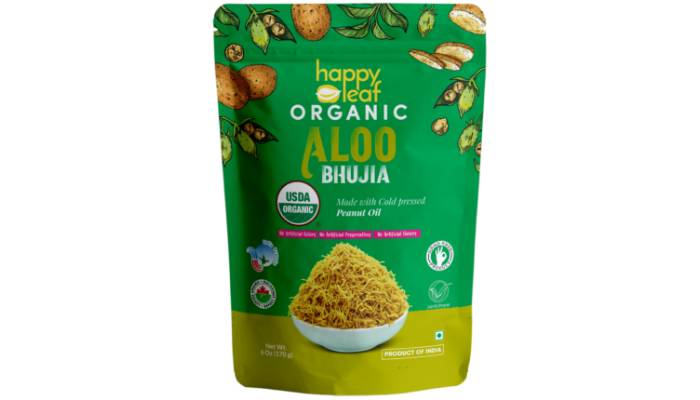
Organic South Indian snacks are crafted from ingredients cultivated without synthetic fertilizers or chemicals, catering to a growing desire for healthier options. Key components include nutritious millets and indigenous rice varieties, both prized for their flavors and health benefits. Cold-pressed oils like coconut oil add an extra healthy touch, while natural seasonings enhance the taste without artificial additives. A beloved example is Madras Mixture, which combines crunchy omapodi and boondi with peanuts and curry leaves. The preparation involves mixing these elements skillfully, ensuring freshness by avoiding preservatives. This method not only promotes well-being but also honors cultural traditions through wholesome snacking.
Understanding Organic South Indian Snacks
100% Organic South Indian snacks are crafted from ingredients cultivated without synthetic fertilizers or chemicals, providing a cleaner food source. This approach not only emphasizes health but also pays homage to the rich culinary traditions of South India, where many recipes have been cherished and passed down through generations. The use of natural spices and herbs is a hallmark of this cuisine, contributing to the distinctive flavors that make these snacks so appealing.
These snacks also align with sustainable farming practices, making them environmentally friendly. They often vary by region, showcasing unique local ingredients and flavors. For example, snacks from coastal areas may incorporate coconut, while those from inland regions might feature millets or rice, often in gluten-free forms. Traditional preparation methods like frying, roasting, and sun-drying help retain authentic flavors, enhancing the overall taste experience.
Cultural significance is another layer, as these snacks are often enjoyed during festivals and gatherings, making them a beloved staple. They provide a quick, convenient option for a healthy diet, suitable for all ages, while reflecting an increasing consumer awareness of health and nutrition. Organic South Indian snacks are not just food; they are a celebration of culture, tradition, and sustainability.
 Essential Ingredients for Organic Snacks
 Essential Ingredients for Organic Snacks
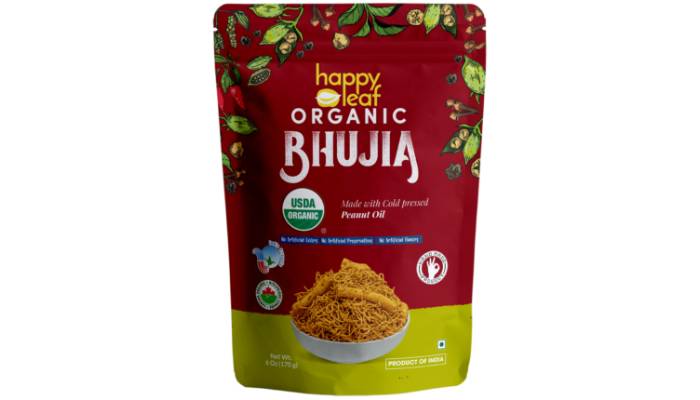
Organic South Indian snacks are crafted from a variety of wholesome ingredients that are not only nutritious but also flavorful. Millets, such as finger millet and pearl millet, are a staple, offering a rich source of fiber and protein. Indigenous rice varieties, like Sona Masoori and Red Rice, are favored for their distinctive taste and health benefits, lending authenticity to these snacks. Cold-pressed oils, such as groundnut and coconut oil, are utilized for cooking, preserving more nutrients compared to refined oils. Natural seasonings, using fresh spices like cumin, coriander, and black pepper, enhance the flavor without relying on artificial additives. Legumes, including chickpeas and lentils, add a hearty dose of protein and fiber. Tamarind contributes its tangy flavor and acts as a natural preservative, while fresh coconut is commonly incorporated for its rich taste and texture. Herbs like curry leaves and coriander not only elevate the flavor profile but also offer additional health benefits. Dried fruits and nuts, such as cashews and almonds, provide a satisfying crunch and essential fats. For a touch of sweetness, natural sweeteners like jaggery or honey are often used, presenting a healthier alternative to refined sugar.
Highlighting Madras Mixture as a Snack
Madras mixture is a beloved snack that showcases the rich flavors of South Indian cuisine. At its core, this crunchy delight is built on a base of omapodi (sev), made from gram flour and rice flour, which gives it a satisfying crispiness. To enhance the texture, boondi, those tiny fried balls, are added, providing an irresistible crunch. Nuts like peanuts and cashews not only contribute to the flavor but also boost the snack’s nutritional profile, offering healthy fats and protein. The inclusion of poha (flattened rice) lightens the mix, soaking up the spices and making each bite a flavorful experience. To round out the taste, fried curry leaves are mixed in, adding an aromatic touch that elevates the overall flavor. The spice mix, featuring chili powder, turmeric, and salt, creates a balanced taste that appeals to many. What’s great about Madras mixture is its versatility; it can be enjoyed as a tea-time snack, a party appetizer, or even as a topping for various dishes. Plus, it’s easily customizable, allowing for the addition of dried fruits or different nuts to suit individual preferences. Often associated with festivals and family gatherings, Madras mixture holds a special place in the hearts of many, making it a cherished treat.
- Base Ingredients: Madras mixture is a popular snack made from a mix of fried ingredients, offering a crunchy texture and spicy flavor.
- Omapodi (Sev): This is the base of the mixture, made from gram flour and rice flour, providing a crispy foundation.
- Boondi: These tiny, fried balls add a delightful crunch and burst of flavor to the snack.
- Nuts and Seeds: The addition of peanuts and cashews enhances the nutritional value, offering healthy fats and protein.
- Poha (Flattened Rice): Adds a light texture and absorbs the flavors of spices, making the mixture more palatable.
- Curry Leaves: Fried curry leaves contribute an aromatic flavor, enhancing the overall taste of the snack.
- Spice Mix: A blend of spices like chili powder, turmeric, and salt creates a balanced flavor profile that appeals to many.
- Customizable: Variations can include adding other ingredients such as dried fruits or different nuts to suit personal preferences.
- Versatile Snack: Great as a tea-time snack, party appetizer, or even as a topping for various dishes.
- Cultural Significance: Madras mixture is often associated with festivals and family gatherings, making it a beloved treat.
Step-by-Step Preparation Process
To create Omapodi, start by mixing gram flour, rice flour, and spices in a bowl, then gradually add water to form a smooth dough. Once your dough is ready, heat oil in a deep pan. Use a sev maker to press the dough into the hot oil, frying until the pieces turn golden and crispy, taking care not to burn them.
Next, for Boondi, prepare a thin batter using gram flour, water, and your choice of spices. Drop spoonfuls of this batter into the hot oil using a perforated ladle, frying until they puff up and achieve a delightful golden color. Maintaining the right oil temperature is key; it ensures even cooking and prevents sogginess.
After frying both Omapodi and Boondi, it’s time to mix them in a large bowl. Combine the crispy Omapodi and Boondi with nuts like peanuts or cashews, along with fried poha and curry leaves for extra flavor and texture. Season the mixture with additional spices or salt to taste, ensuring every bite is packed with flavor.
Allow the mixture to cool completely before storing it in an airtight container. This helps maintain its crispness and prevents moisture from ruining your snack. Store the container in a cool, dry place to prolong freshness, as moisture can quickly lead to sogginess.
Feel free to experiment with different spices or ingredients to create unique variations of the mixture that cater to your taste. These snacks not only make a delightful accompaniment with tea but are also perfect for gatherings, offering a satisfying crunch and rich flavors.
Health Benefits of Organic Snacks
Organic snacks offer a wealth of health benefits that make them a smart choice for anyone looking to enhance their diet. They are packed with essential nutrients, including vitamins and minerals, which support overall health. One of the key advantages is that homemade organic snacks typically avoid synthetic preservatives, ensuring they are fresh and healthy. By using whole grains and seeds, they contribute to a balanced diet that promotes digestive health.
Moreover, organic snacks minimize processed ingredients, such as refined sugars and unhealthy fats, making them a better choice for maintaining energy levels. The combination of healthy fats, proteins, and carbohydrates found in these snacks provides sustained energy, helping to prevent those dreaded energy crashes. For those with dietary restrictions, many organic snacks can be made gluten-free or nut-free, catering to various needs.
The high fiber content in ingredients like millets and legumes helps people feel full longer, assisting in weight management. Using cold-pressed oils and nuts not only enhances flavor but also supports heart health by providing good fats that can help lower cholesterol levels. Additionally, natural ingredients like turmeric and curry leaves are rich in antioxidants, which are beneficial for overall health. Lastly, enjoying these snacks fosters a connection to cultural heritage and traditions, enhancing emotional well-being.
Cultural Importance of Organic Snacks
Organic South Indian snacks are deeply rooted in the culture and traditions of the region. Many of these snacks have historical significance, often tied to local customs and practices that have been passed down through generations. They are particularly prominent during festivals and celebrations, where preparing and sharing these treats fosters a sense of community and belonging. Family recipes are cherished, serving as a bridge between the past and the present, preserving culinary heritage and cultural identity.
The ingredients used in these snacks are typically sourced locally, supporting regional farmers and sustainable agricultural practices. This not only ensures freshness but also promotes the use of indigenous rice varieties and millets, which are known for their nutritional benefits. The culinary diversity of South India is reflected in the rich array of flavors and textures found in organic snacks, from crispy murukkus to spicy mixtures.
Moreover, snacks hold a significant place in social gatherings, where they act as a medium for connection and relationship-building. Preparing these snacks often involves teaching younger generations about cooking, health, and sustainability, making it an educational experience as well. As the demand for organic snacks grows, it encourages more farmers to adopt organic farming practices, which has positive implications for the environment. The art of snack-making is not just about food; it showcases creativity and skill, and as these organic snacks gain popularity globally, they serve to celebrate and introduce South Indian culture to a wider audience.
Frequently Asked Questions
What ingredients are used in making 100% organic South Indian snacks?
These snacks typically use natural ingredients like whole grains, lentils, spices, and vegetables. Everything is sourced organically to maintain purity and flavor.
How long does it take to prepare these organic snacks?
Depending on the type of snack, preparation can take anywhere from a few hours to a whole day. It involves soaking, grinding, and cooking, all done carefully to enhance taste.
Are there any preservatives or artificial flavors in these snacks?
No, 100% organic snacks focus on natural ingredients only. They do not contain any preservatives or artificial flavors, ensuring a healthier choice.
Can I make these snacks at home, or do I need special equipment?
You can definitely make these snacks at home! Most recipes require basic kitchen tools like pans, grinders, and mixing bowls, so no special equipment is necessary.
How do organic South Indian snacks differ from regular snacks?
Organic South Indian snacks are made using solely organic ingredients, which are free from pesticides and chemicals. This makes them healthier and often more flavorful compared to regular snacks.
TL;DR This blog explores how 100% organic South Indian snacks are made, highlighting the use of all-natural ingredients like millets, indigenous rice, and cold-pressed oils. A focus is placed on Madras Mixture as a popular snack, detailing its preparation process which involves making omapodi and boondi, and combining them with nuts and spices. The health benefits of these snacks are discussed, emphasizing their nutritional value and absence of preservatives. Additionally, the cultural significance of these snacks is recognized, making them an essential part of South Indian traditions.