
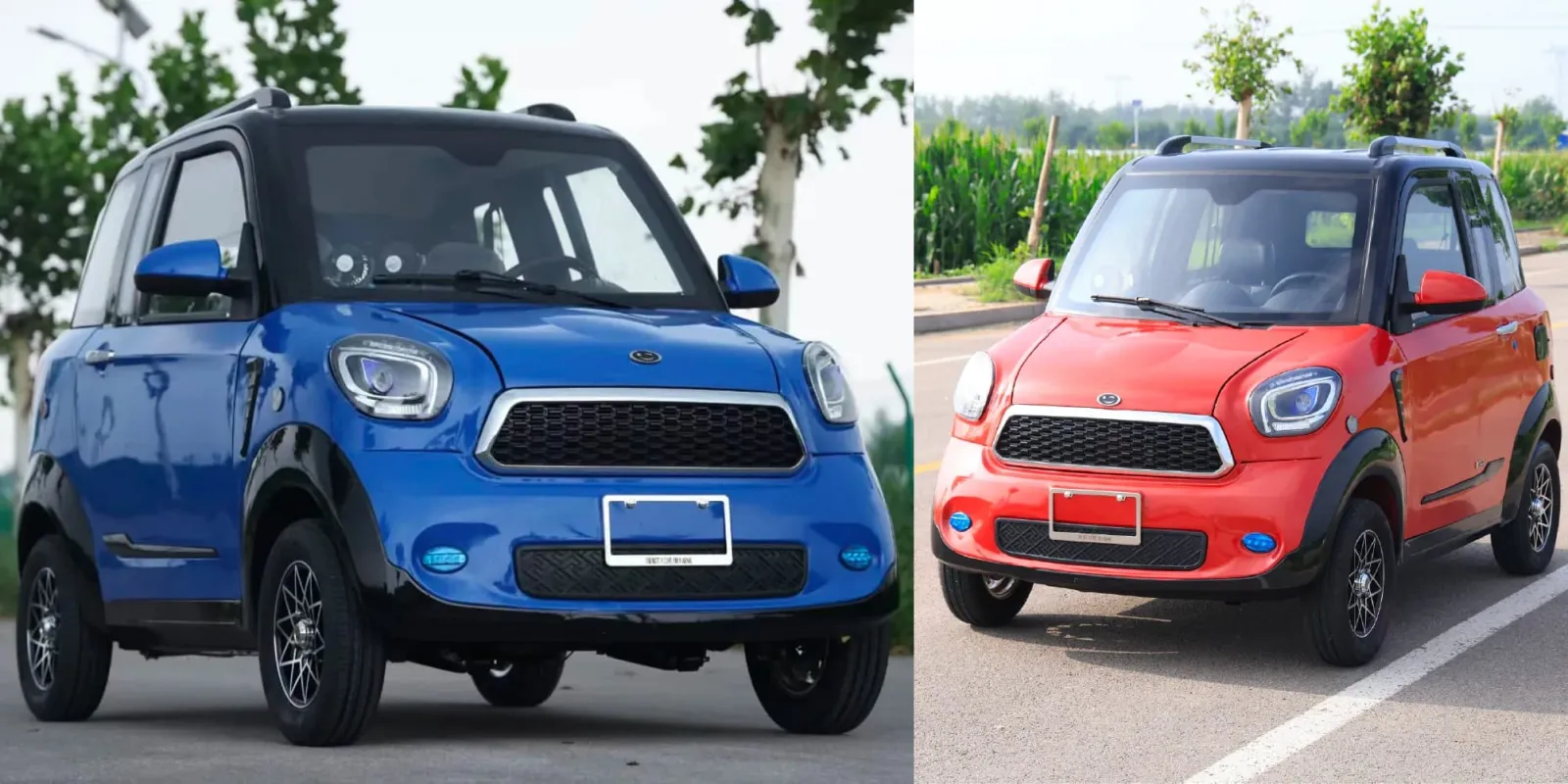
The shift toward electric vehicles (EVs) is no longer limited to luxury models or long-range performance cars. Urban environments, where traffic congestion, short commutes, and parking challenges are common, have created a demand for low-cost electric cars. These vehicles offer affordability, efficiency, and convenience while supporting sustainability initiatives and reducing urban pollution.
This article explores the benefits, features, and considerations of low-cost EVs for city driving and provides guidance for choosing the best options for urban environments.
Why Low-Cost Electric Cars Are Ideal for Cities
Urban driving requires cars that are compact, energy-efficient, and easy to maneuver. Low-cost electric cars excel in these areas:
-
Reduced running costs: Electricity is cheaper than gasoline, and EVs require less maintenance.
-
Compact size: Easier parking and navigation through congested streets.
-
Eco-friendly: Zero tailpipe emissions reduce pollution in dense urban areas.
-
Technology-friendly: Many low-cost EVs include smart features like regenerative braking, app connectivity, and automated parking assistance.
For city drivers looking for both affordability and comfort, these vehicles offer practical solutions for daily commuting.
Key Features to Look for in Urban EVs
1. Battery Range
Short city trips do not require long-range batteries, so smaller, affordable batteries are sufficient. Look for cars with:
-
100–250 km range per charge
-
Fast charging options for convenience
-
Energy-efficient systems to extend range in stop-and-go traffic
2. Size and Maneuverability
Compact dimensions make parking and lane navigation easier. Hatchbacks or small sedans are ideal for tight urban spaces.
3. Safety Features
Even low-cost EVs should include essential safety technologies:
-
Anti-lock braking system (ABS)
-
Airbags and crash protection
-
Rearview cameras or sensors for parking
4. Smart Connectivity
Basic smart features can enhance convenience:
-
Mobile apps for battery monitoring
-
Keyless entry and remote start
-
Navigation optimized for charging stations
Advantages of Low-Cost Electric Cars in Urban Areas
| Advantage | Description |
|---|---|
| Affordability | Lower purchase price compared to premium EVs |
| Low Maintenance | Fewer moving parts reduce repair costs |
| Reduced Emissions | Helps meet city sustainability goals |
| Quiet Operation | Minimal noise pollution in urban traffic |
| Easy Parking | Compact size for crowded streets |
These benefits make low-cost EVs a practical solution for environmentally conscious city dwellers.
Popular Low-Cost Electric Cars for Cities
-
City Hatchbacks: Affordable, compact, and energy-efficient, ideal for short commutes.
-
Small Sedans: Comfortable seating with slightly longer range for extended city driving.
-
Micro EVs: Ultra-compact electric cars designed specifically for tight urban spaces.
These models often combine affordability with functional features, making them perfect for city life.
Challenges of Low-Cost EVs
-
Limited range: Suitable mainly for urban driving, not long road trips.
-
Fewer luxury features: Lower-cost EVs may lack premium interiors found in high-end models.
-
Charging infrastructure: Urban areas need sufficient charging stations to maximize convenience.
Despite these challenges, ongoing advancements are improving both affordability and functionality.
Comparing Low-Cost EVs with Premium Models
| Feature | Low-Cost EVs | Premium EVs |
|---|---|---|
| Price | Affordable | Expensive |
| Interior Comfort | Basic | Luxurious |
| Technology | Basic smart features | Advanced connectivity, self-driving options |
| Range | 100–250 km | 300+ km |
| Target User | City commuters | Long-distance drivers |
Even without luxury features, low-cost EVs fulfill the needs of urban drivers, while premium models focus on long-range and advanced comfort. For drivers who want occasional upgrades, options like Cars With Panoramic Sunroof and Premium Comfort may offer more features, but at a higher price point.
Tips for Buying a Low-Cost Electric Car
-
Assess your daily commute: Choose a range that covers your typical city travel.
-
Check charging options: Ensure there are convenient charging stations near home or work.
-
Evaluate warranties: Battery life and EV components are critical for long-term value.
-
Consider incentives: Government subsidies or tax benefits can reduce upfront costs.
-
Test drive: Even low-cost EVs should provide a comfortable driving experience for city conditions.
FAQs
Can low-cost EVs handle heavy urban traffic?
Yes, they are designed for stop-and-go city driving, with regenerative braking to extend battery life.
How long does it take to charge a low-cost electric car?
Charging time varies with battery size and charger type, ranging from 30 minutes (fast charging) to several hours (standard home outlet).
Are low-cost EVs safe for city driving?
Yes, most include essential safety features such as airbags, ABS, and parking sensors.
Do low-cost EVs have high maintenance costs?
No, EVs have fewer moving parts than combustion engines, reducing maintenance and repair expenses.
Can I drive a low-cost EV on highways?
Yes, but the limited range may require planning for longer trips or frequent charging stops.
Conclusion
Low-cost electric cars are revolutionizing urban mobility by offering affordability, efficiency, and eco-friendliness. Their compact size, low maintenance, and smart features make them ideal for city commuting, while continued development in battery technology and charging infrastructure expands their usability.
While premium models like Cars With Panoramic Sunroof and Premium Comfort provide added luxury, low-cost EVs focus on practicality and sustainability, making them an excellent choice for the growing population of urban drivers seeking smart and environmentally friendly transportation.