
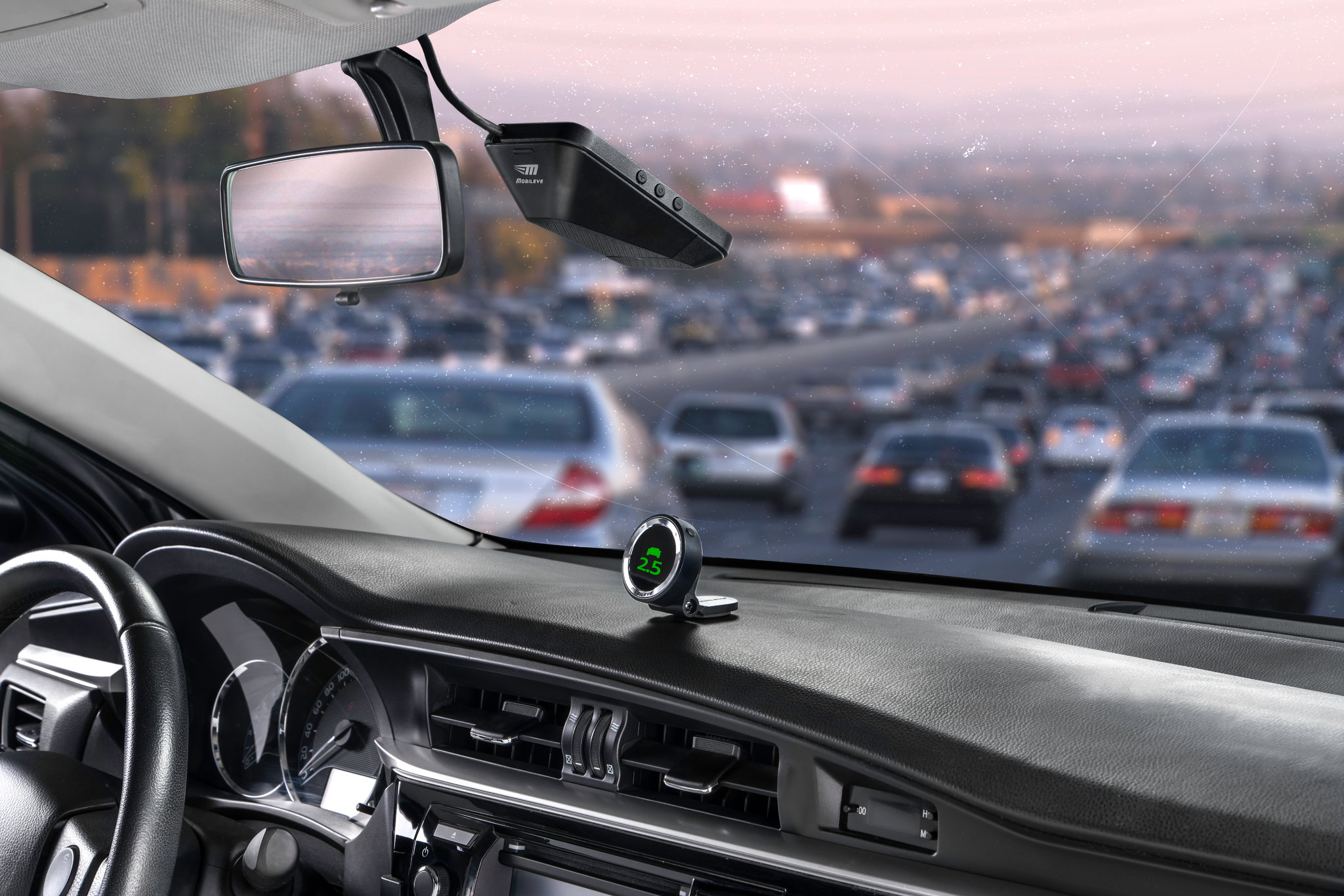
Safety has become a top priority in the automotive industry, and modern vehicles are increasingly equipped with advanced collision avoidance technology to protect drivers, passengers, and pedestrians. These systems use a combination of sensors, cameras, and radar to detect potential hazards and automatically intervene to prevent accidents. For safety-conscious buyers, understanding these technologies can help in selecting the right vehicle.
This article explores vehicles equipped with collision avoidance systems, how the technology works, and why it’s becoming a standard in modern cars.
What is Collision Avoidance Technology?
Collision avoidance technology refers to a set of features designed to prevent or reduce the severity of accidents. Unlike traditional safety features such as airbags or seatbelts, which respond after a collision, these systems actively work to avoid crashes before they happen.
Key components include:
-
Forward Collision Warning (FCW): Alerts the driver if a potential frontal collision is detected.
-
Automatic Emergency Braking (AEB): Applies brakes automatically when an imminent collision is detected.
-
Lane Departure Warning (LDW) and Lane Keeping Assist (LKA): Alerts and helps steer the vehicle back into the lane if drifting occurs.
-
Blind Spot Detection (BSD): Warns the driver of vehicles in blind spots.
-
Pedestrian and Cyclist Detection: Recognizes vulnerable road users and alerts the driver or automatically brakes.
These features work together to reduce the likelihood of accidents and improve overall road safety.
How Collision Avoidance Systems Work
Most collision avoidance systems rely on a combination of radar, LiDAR, ultrasonic sensors, and cameras. These sensors monitor the vehicle’s surroundings and provide real-time data to the onboard computer. When a potential threat is detected, the system can:
-
Alert the driver via visual, auditory, or haptic warnings
-
Apply partial or full braking automatically
-
Adjust steering to avoid obstacles
-
Reduce throttle to slow the vehicle
By combining these technologies, modern vehicles can react faster than human drivers in emergency situations, significantly lowering the risk of accidents.
Benefits of Vehicles with Advanced Collision Avoidance Technology
-
Reduced Accident Risk: Systems proactively prevent collisions with other vehicles, pedestrians, and obstacles.
-
Lower Insurance Costs: Vehicles with collision avoidance systems often qualify for discounts because insurers view them as lower-risk vehicles, similar to Cars with Low Insurance Cost and High Safety Score.
-
Enhanced Driver Confidence: Drivers feel more secure during city driving, highway cruising, and adverse weather conditions.
-
Protection for Vulnerable Road Users: Pedestrian and cyclist detection reduces the likelihood of serious injuries.
-
Improved Resale Value: Cars with advanced safety technology are highly desirable in the used-car market.
Popular Vehicles with Advanced Collision Avoidance Technology
Tesla Model 3 and Model Y
Tesla’s Autopilot and Full Self-Driving features include automatic emergency braking, collision warning, and lane assist, offering one of the most comprehensive collision avoidance suites available.
Volvo XC90
Volvo is known for safety, and the XC90 comes with Pilot Assist, City Safety, and pedestrian detection systems, providing top-tier protection.
Subaru Outback
Subaru’s EyeSight Driver Assist technology includes adaptive cruise control, pre-collision braking, and lane-keeping assist, making it a reliable and affordable option.
Audi A6
Audi’s pre-sense front system, adaptive cruise assist, and active lane assist help prevent collisions while maintaining a smooth driving experience.
Mercedes-Benz E-Class
The E-Class features Active Brake Assist, PRE-SAFE systems, and cross-traffic alert, combining luxury with advanced safety technology.
Choosing the Right Collision Avoidance Vehicle
When selecting a car with advanced collision avoidance features, consider:
-
Scope of safety features: Not all vehicles offer full pedestrian or cyclist detection.
-
Ease of use: Systems should assist rather than complicate driving.
-
Reliability: Look for brands with proven safety records and minimal false alerts.
-
Integration: Features should work seamlessly with other driver-assistance systems.
Combining these considerations ensures that the vehicle not only prevents collisions but also provides a confident, stress-free driving experience.
Future of Collision Avoidance Technology
Automakers are moving toward fully autonomous vehicles where collision avoidance systems will handle nearly all aspects of driving. Advances in AI, LiDAR, and vehicle-to-vehicle communication will make cars safer and reduce human error as the leading cause of accidents.
Final Thoughts
Vehicles with advanced collision avoidance technology represent the next generation of automotive safety. By actively preventing accidents and enhancing driver awareness, these vehicles not only save lives but also reduce insurance costs and improve long-term value.
For safety-focused buyers, choosing a car with comprehensive collision avoidance features—similar to the advantages found in Cars with Low Insurance Cost and High Safety Score—ensures peace of mind on every journey.