
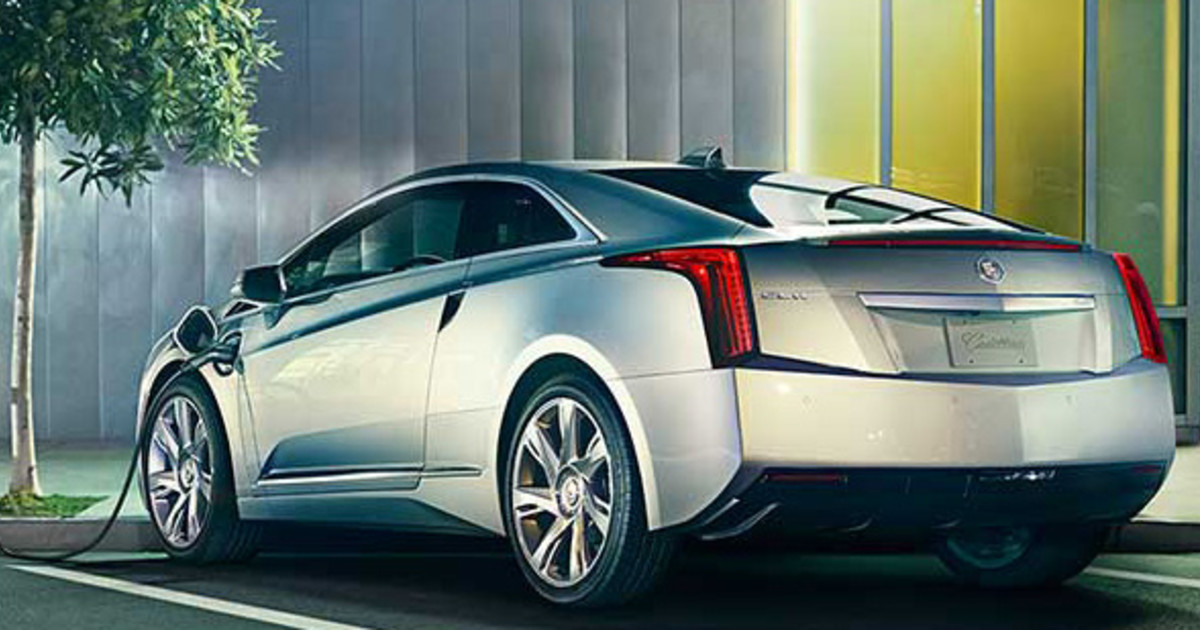
As fuel prices fluctuate and environmental concerns grow, many drivers are seeking lightweight cars optimized for fuel efficiency. These vehicles are designed to reduce weight without sacrificing safety, comfort, or performance, resulting in lower fuel consumption, better handling, and reduced emissions.
This article explores the benefits of lightweight cars, the technologies behind them, and some of the best models currently available.
Why Lightweight Cars Improve Fuel Efficiency
Reducing a vehicle’s weight directly impacts fuel efficiency. Lighter cars require less energy to move, which means:
-
Lower fuel consumption: Smaller engines can power lighter vehicles effectively.
-
Improved acceleration and handling: Reduced weight improves maneuverability and braking performance.
-
Lower emissions: Less fuel burned means a smaller carbon footprint.
-
Reduced wear on components: Lighter cars put less strain on brakes, tires, and suspension systems.
Manufacturers often combine lightweight materials with aerodynamic design to maximize efficiency.
Materials and Technology Behind Lightweight Cars
Modern lightweight cars rely on advanced engineering and materials to reduce mass while maintaining strength:
-
Aluminum: Used for body panels and frames, aluminum is strong yet significantly lighter than steel.
-
High-Strength Steel: Offers durability in critical areas while reducing overall weight.
-
Carbon Fiber: Used in high-end models, carbon fiber is extremely light and strong, though more expensive.
-
Aerodynamic Design: Streamlined shapes reduce drag, improving fuel efficiency at higher speeds.
-
Hybrid and Electric Systems: Lightweight hybrid or EV components further optimize energy use.
These technologies allow manufacturers to produce cars that are both safe and fuel-efficient.
Advantages of Lightweight, Fuel-Efficient Cars
-
Lower Operating Costs: Reduced fuel consumption translates to long-term savings.
-
Eco-Friendly: Lighter cars produce fewer emissions, contributing to environmental sustainability.
-
Enhanced Performance: Improved handling, acceleration, and braking due to lower mass.
-
Accessibility: Many lightweight models are smaller, making city driving and parking easier.
-
Safety Compatibility: Modern lightweight cars integrate features like airbags, reinforced frames, and even Vehicles with Advanced Collision Avoidance Technology, ensuring that fuel efficiency doesn’t compromise safety.
Popular Lightweight Cars Optimized for Fuel Efficiency
Toyota Prius
The Prius has long been synonymous with fuel efficiency. Its hybrid powertrain, combined with lightweight materials and aerodynamic design, allows impressive mileage and a smooth, quiet ride.
Honda Fit
The Honda Fit is a compact, lightweight car with excellent fuel economy. Its flexible interior and responsive handling make it a practical option for city driving.
Hyundai Ioniq
Available in hybrid, plug-in hybrid, and fully electric versions, the Ioniq emphasizes lightweight construction and efficiency-focused design.
Ford Fiesta
The Ford Fiesta combines a lightweight frame with small, efficient engines. It offers excellent maneuverability and fuel economy, making it ideal for urban driving.
BMW i3
The BMW i3 uses a carbon-fiber-reinforced plastic body and electric drivetrain. Its lightweight construction and innovative design maximize electric efficiency while providing modern safety features.
Tips for Maximizing Fuel Efficiency in Lightweight Cars
-
Maintain proper tire pressure: Under-inflated tires increase rolling resistance.
-
Reduce excess weight: Avoid carrying unnecessary cargo.
-
Drive smoothly: Gentle acceleration and braking improve fuel efficiency.
-
Use eco-driving modes: Many cars feature modes that optimize throttle and energy use.
-
Regular maintenance: Keep the engine, filters, and fluids in good condition for optimal performance.
Lightweight Cars and Modern Safety Features
Lightweight doesn’t mean compromising safety. Many modern fuel-efficient vehicles include advanced safety systems such as:
-
Adaptive cruise control
-
Lane departure warning
-
Automatic emergency braking
-
Airbags and reinforced frames
Integrating safety features into lightweight designs ensures that drivers benefit from both fuel efficiency and protection.
Final Thoughts
Lightweight cars optimized for fuel efficiency offer a smart combination of performance, sustainability, and cost savings. By using advanced materials, aerodynamic designs, and hybrid or electric systems, these vehicles deliver impressive mileage without sacrificing safety or comfort.
For drivers who value both economy and innovation, choosing a lightweight, fuel-efficient car—especially one equipped with features like Vehicles with Advanced Collision Avoidance Technology—ensures long-term savings, environmental benefits, and peace of mind on the road.