
A valet line hums outside a gallery opening, and guests step onto the curb in polished shoes. Fabrics catch light, heels land cleanly, and posture tells its own story. What people wear signals respect for the room and the moment.
Formal events now allow shorter hemlines when choices show care and restraint. A cute mini dress can read refined when fabric, cut, and setting align with intent and context. The difference often sits in detail rather than length alone.
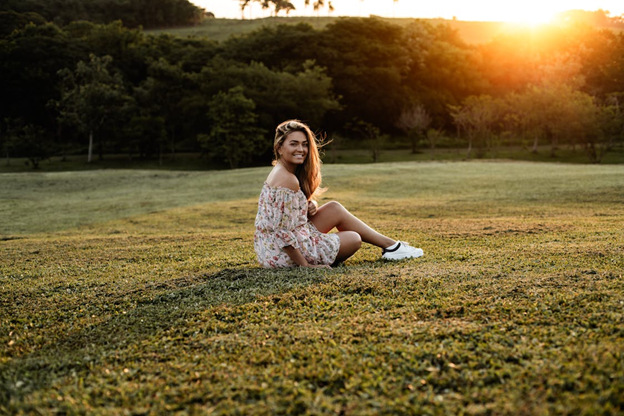
Photo by Produtora Midtrack
Reading The Room Before Choosing A Hemline
Elegant occasions come with quiet rules shaped by place, time, and purpose. A museum benefit at dusk asks for different choices than a rooftop dinner at night. Paying attention early prevents awkward moments later.
Consider the venue materials, lighting, and seating first. Marble floors and soft lighting favor smoother fabrics with clean lines. Outdoor spaces with stone or grass call for stable footwear and thoughtful hemlines that move well.
Time of day also matters for perceived formality. Afternoon events lean lighter in color and texture, while evening settings allow richer tones. A shorter dress works best when other parts stay composed and balanced.
- Review invitation language for formality cues
- Look at past event photos from the same venue
- Match fabric weight to season and weather
Dress codes published by cultural institutions offer helpful signals about expected attire. Many museums outline visitor guidance that reflects common event norms. The Smithsonian shares general attire tips that align with similar spaces.
Fabric And Cut Do Most Of The Work
Length draws attention, but fabric carries the message. Structured materials like ponte, satin, or crepe hold shape and photograph cleanly under lights. These choices avoid the casual look that softer jerseys can bring.
A precise cut controls proportion and movement. Look for darts, seams, or subtle pleats that guide the eye vertically. This keeps the silhouette composed even when the hem sits higher.
Necklines and sleeves help anchor the look. A higher neckline or tailored sleeve offsets a shorter hem without feeling restrictive. Balance matters more than covering skin for elegance.
- Favor lined fabrics that resist wrinkling
- Choose matte finishes over heavy shine
- Test movement by sitting and standing
Color plays a steady role here. Neutrals and deep tones often read formal, while brighter shades need careful styling. Keeping the palette tight helps texture stand out instead.
Fit, Tailoring, And Comfort Over Hours
Elegance fades fast when discomfort shows on your face. A dress that fits well at the waist, hips, and shoulders allows relaxed posture. That calm presence often reads more refined than any trend.
Tailoring makes a visible difference, even with simple designs. Adjusting strap length or waist placement changes how a mini dress sits when you move. Small fixes prevent constant pulling or shifting during conversations.
Comfort also includes fabric breathability and lining. Events stretch longer than expected, with standing, walking, and sitting in cycles. Choosing materials that breathe helps maintain composure throughout the night.
- Walk across a room to test stride length
- Sit on a firm chair to check hem placement
- Raise arms to confirm straps stay secure
Footwear supports comfort as well. A shorter hem draws attention to shoes, so stability matters. Block heels or refined flats often suit elegant settings better than extreme heights.
Styling Choices That Signal Intent
Accessories clarify the tone of a mini dress. Minimal jewelry with clear lines keeps focus on form rather than sparkle. One strong piece works better than several competing accents.
Outer layers matter when arriving or leaving. A tailored blazer or structured coat frames the outfit and sets expectations before the dress appears fully. This first impression shapes how the look is received.
Hair and makeup should echo restraint. Clean styles and balanced finishes suggest care without excess. The goal is cohesion, where no single element pulls focus alone.
- Choose one accessory as a focal point
- Keep bags small and structured
- Match metals across jewelry
Etiquette guides from academic hospitality programs often stress cohesion and appropriateness in formal dress. These resources reflect how style choices affect perception at events. Cornell’s School of Hotel Administration outlines standards that apply beyond hotels.
Color, Pattern, And Visual Balance In Formal Spaces
Color choice affects how a mini dress reads from across a room. Darker shades often signal formality, especially under evening lighting. Lighter tones can still work when fabric and cut stay controlled.
Patterns require more thought at elegant events. Small scale prints or subtle textures tend to photograph better than bold graphics. This keeps the look timeless rather than attention driven.
Visual balance also includes contrast with surroundings. A neutral dress in a richly decorated room blends easily, while high contrast shades draw focus. Knowing when to blend and when to stand out supports the setting.
- Limit prints to one visual idea
- Use texture instead of bold contrast
- Consider venue colors when choosing tones
When color, pattern, and texture align, a shorter hem feels intentional. The dress becomes part of the environment rather than a distraction within it.
Making Mini Dresses Work Across Event Types
Not all elegant occasions look the same, and flexibility helps. A daytime wedding reception may welcome lighter colors and softer fabrics. Evening charity dinners tend to favor darker tones and simpler lines.
Season also shapes choices. Cooler months allow heavier materials and layered looks that support shorter hemlines. Warmer seasons call for breathable fabrics and careful color selection to avoid a casual feel.
Travel adds another planning layer. Wrinkle resistant fabrics and packable designs help maintain polish after hours in transit. Testing how a dress wears over time avoids surprises upon arrival.
- Adjust sleeve length for seasonal comfort
- Use subtle texture in place of bold prints
- Plan layers that remove cleanly indoors
Dressing With Awareness And Ease
An elegant mini dress works when every choice shows awareness of place, timing, and movement. Fabric structure, thoughtful fit, and calm styling do more than follow trends. They support comfort and confidence across long hours and changing settings.
When these details align, a shorter hem feels natural rather than attention driven. The dress fits the room, the event, and the person wearing it. That balance is what allows mini dresses to hold their place at refined occasions without explanation.