

Buying land in Florida can be an exciting venture, but it’s essential to go in well-informed. First, consider the growing market; with rapid population increases in counties like Lee and Collier, demand for land is on the rise. Know your options: residential, agricultural, commercial, or vacant lands each come with unique potentials and challenges. Conduct thorough due diligence by checking zoning laws and ensuring legal access to the property. Be aware of financial factors including varying land prices and potential closing costs that might impact your budget. Lastly, collaborating with real estate agents and lawyers can guide you through any tricky parts along the way.
1. Understanding the Florida Land Market
Buy land in Florida market is buzzing with excitement, and for good reason. The state’s population growth is among the highest in the nation, particularly in areas like Lee, Collier, and Charlotte counties. This surge in residents drives up demand for both land and housing, making it an attractive option for buyers. With millions flocking to Florida each year for its beautiful beaches and attractions, the tourism industry creates fantastic opportunities for vacation rental properties. Imagine owning a piece of land that could become a lucrative rental during peak season!
But it’s not just about residential opportunities. Florida’s agricultural sector is vast and diverse, offering options for those interested in farming or agribusiness ventures. Thanks to the state’s varied climate, you can grow a wide range of crops and raise different types of livestock, making agricultural land a smart investment.
It’s crucial to understand regional differences in land prices. Urban centers often see higher demand compared to rural areas, which can significantly affect prices. Buyers should dive into local market trends to get a feel for what to expect. The real estate landscape also fluctuates with the seasons, often peaking in spring and summer. Keeping an eye on these seasonal shifts can help you time your purchase just right.
Proximity to amenities like schools, shopping centers, and hospitals also plays a big role in determining land value. Buyers should consider how location impacts their investment. Additionally, trends in eco-tourism and conservation efforts can enhance land desirability.
However, it’s essential to stay informed about climate change and rising sea levels, especially for coastal properties. Understanding these environmental factors can save you from potential pitfalls down the road. Lastly, networking with local developers and real estate groups can provide valuable insights and guidance, ensuring you make a well-informed decision in this vibrant market.
- Florida’s population is rapidly increasing, creating a surge in demand for land and housing.
- The tourism sector thrives, with millions visiting each year, opening doors for vacation rental properties.
- The state boasts a vibrant agricultural sector, making it appealing for farming or agribusiness ventures.
- Diverse climates allow for a variety of crops and livestock, enhancing the appeal of agricultural land.
- Urban centers experience high demand, significantly affecting land prices; understanding local trends is essential.
- The real estate market showcases seasonal fluctuations, with purchasing typically peaking in the spring and summer.
- Local amenities and services, including schools and hospitals, play a crucial role in determining land value.
- Keeping an eye on trends in eco-tourism and conservation can impact land desirability.
- Researching climate change and rising sea levels is vital, especially for coastal properties.
- Networking with local developers and real estate groups can provide valuable insider information.
2. Types of Land Available in Florida
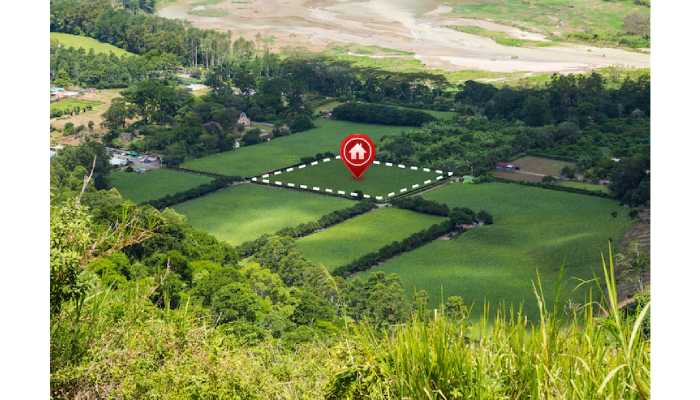
Florida is a treasure trove of diverse land options, each with unique benefits. For those dreaming of sun-soaked views, beachfront properties are incredibly appealing, perfect for luxury homes or vacation rentals, presenting an enticing investment opportunity. If agriculture is your passion, consider fertile agricultural land, which can include citrus groves or cattle ranching. This type of land often comes with lower initial costs, making it an attractive option for budding farmers.
The commercial land market is also buzzing with potential. Retail spaces in high-traffic areas can yield substantial returns, while industrial land caters to expanding sectors, allowing savvy investors to tap into Florida’s robust economy. Mixed-use developments are gaining traction, blending residential, commercial, and recreational spaces, which speaks to the growing demand for community-focused living.
For those looking for lower-priced options, unimproved land can be a smart choice. However, be prepared for the challenges of development, as raw land typically requires significant work to transform it into something usable. Waterfront properties are particularly sought after, but buyers must navigate the complexities of flood zones and insurance costs.
If immediate income potential is on your radar, land with existing structures might be ideal, though it may come with renovation challenges. Additionally, investing in conservation land can provide tax benefits while supporting environmental efforts, making it a win-win. Don’t overlook specialty land types, such as hunting or recreational properties, which cater to niche markets and passionate buyers, adding another layer of excitement to your investment possibilities.
3. Essential Due Diligence Steps
Before you make that exciting leap into land ownership in Florida, performing thorough due diligence is essential. Start by verifying the property’s legal description and boundaries, which is crucial to avoid disputes with neighbors down the line. Conducting a title search is another critical step; this ensures there are no outstanding liens or claims against the property that could come back to haunt you later. It’s also wise to engage a land surveyor to establish exact property lines and identify any encroachments or easements that might complicate your plans.
Next, dive into local zoning laws. Understanding allowable land uses and restrictions is vital in determining what you can actually do with your new property. If you’re considering land near wetlands or protected areas, checking for required environmental assessments is a must. Additionally, reviewing the property’s history can reveal past issues like flood damage or environmental contamination, which could impact your investment.
Connect with local planning departments to learn about future developments that may influence your land’s value. This insight can be a game-changer when it comes to long-term investment viability. Don’t overlook the importance of speaking with local homeowners or property owners’ associations; they can provide invaluable perspectives on neighborhood dynamics. Lastly, take a moment to evaluate proximity to essential services like hospitals, schools, and shopping centers, as these factors greatly affect livability and resale value. By taking these steps, you position yourself for a successful and rewarding land purchase in the Sunshine State.
4. Financial Factors to Consider
When buying land in Florida, financial factors play a crucial role in your investment’s success. Start by assessing property values in the area through comparable sales, which helps you determine a fair purchase price. Understanding different financing options is essential. You might consider conventional loans, local banks, or credit unions that specialize in land purchases. Keep in mind that investing in land often requires a larger down payment, typically between 20-25%, so prepare for this upfront cost.
It’s vital to calculate the total cost of ownership, including property taxes, insurance, and maintenance expenses. For instance, if you buy a piece of land in a rapidly growing area, you could see a significant appreciation in property value over time, particularly if you choose a location with strong market trends.
You should also explore government programs or grants that might assist with land purchases or future development projects, providing you with additional financial support. Don’t forget to budget for unexpected costs like repairs, environmental assessments, or legal fees that could arise during your ownership.
Researching tax implications is another important step, as property taxes can vary widely in Florida, and you might qualify for certain deductions. Additionally, if you plan to make improvements or develop the land, look into specialized financing options that some lenders offer for these purposes. Finally, engaging a financial advisor can help you structure your investment and assess risks effectively, ensuring that your land purchase aligns with your overall financial goals.
5. Legal and Regulatory Aspects
Understanding local real estate laws and regulations is crucial when buying land in Florida. You want to avoid any legal troubles down the road. Make sure to review any existing covenants or restrictions on the property, as these can limit how you use your land. It’s also essential to confirm the zoning classification and permitted uses, ensuring the land aligns with your intended purpose, whether that’s residential, commercial, or agricultural.
Additionally, check if the land is subject to any easements. These can affect access to the property or future development plans, so it’s best to know upfront. Engaging a title company is a smart move to ensure a clear title transfer, protecting you against future claims or disputes.
Before planning any construction, familiarize yourself with local building codes and regulations. Each area may have different rules, and understanding these can save you time and money. If the property is near protected areas or wetlands, research any environmental regulations that may apply, as these could restrict land use.
It’s also wise to verify if there are any upcoming local developments or changes in zoning that could impact your property’s value. Consulting with local authorities about development permits and licensing requirements can provide clarity on what you need to proceed.
Lastly, keep an eye on potential land use changes or public projects that may affect your property’s use and overall value. Being proactive in your research will help you make a more informed and confident purchase.
6. Working with Real Estate Experts
When buying land in Florida, enlisting the help of real estate experts can make all the difference. Start by finding a local real estate agent who specializes in land purchases; their insights and negotiation skills are invaluable. Referrals from friends or family who’ve recently bought land can lead you to trusted professionals. It’s also wise to consider hiring a real estate attorney to review contracts, ensuring all legal aspects are covered. A knowledgeable land surveyor can assist you with boundary determinations and assessments, so you know exactly what you’re getting into. Don’t overlook speaking to local builders or developers, as they can provide insights into the feasibility of your land use plans. An appraiser can help you determine the fair market value of the land before you make an offer, which helps in making informed decisions. If the land has ecological concerns, consulting with environmental experts is crucial to avoid future headaches. Networking with other landowners can also give you practical insights and advice based on their experiences. Additionally, research local real estate investment groups that can offer support and guidance. If you plan to rent or develop the land into rental properties, hiring a property manager might be a smart move to handle the logistics.
7. Common Mistakes to Avoid
When buying land in Florida, it’s crucial to avoid common pitfalls that can lead to costly mistakes. One major misstep is failing to conduct thorough research on the property and its surrounding area. This lack of understanding can lead to poor investment decisions that may haunt you later. Another mistake is neglecting zoning laws, which could result in purchasing land unsuitable for your intended use, whether that’s building a home or starting a business.
Not obtaining a land survey is a risk that can create boundary disputes with neighbors, leading to legal complications that could have been easily avoided. Moreover, overlooking the importance of utilities can cause unexpected costs and delays in development; imagine planning to build your dream home only to find out you need to spend thousands to connect to water and electricity.
Rushing into a purchase without considering your long-term plans is a recipe for buyer’s remorse. It’s vital to think ahead and assess how your needs may change over time. Ignoring environmental assessments can result in surprises regarding land use restrictions, potentially limiting your intended projects. Additionally, failing to consider future resale value can trap you in an investment that may not appreciate as expected.
Budgeting is another critical area where many buyers falter. Not accounting for additional costs, such as closing fees and property taxes, can derail your financial plans. Also, neglecting to verify access rights can create significant usability issues, making your land less valuable than you anticipated. Finally, not consulting with professionals, such as real estate agents or attorneys, can leave you vulnerable to legal and financial pitfalls that could have been easily navigated with expert advice.
8. Next Steps After Buying Land
After purchasing land in Florida, the excitement of new possibilities begins! Start with a thorough site inspection to assess the land’s condition. Look for any necessary improvements, such as clearing or grading. Next, develop a solid plan that outlines your goals for the land, whether it’s building a dream home, starting a farm, or making an investment. Engaging with contractors or builders early on is essential, allowing you to discuss potential projects and timelines to align your vision with practical execution.
Before any construction begins, make sure to secure the required building permits and zoning approvals. This step is crucial to avoid any legal hiccups down the line. As you prepare the land for development, focus on clearing, grading, and removing any debris to create a clean slate for your project. If your land lacks essential services, connect with local utility companies to arrange for water, electricity, and sewage connections, ensuring everything is in place for your future plans.
Consider landscaping or environmental management to boost your land’s value and usability. This not only enhances aesthetics but can also improve functionality. When it comes to building, explore options that align with local regulations and market demands to maximize your investment. Networking with neighbors and community members can provide invaluable local insights and help foster relationships that may support your future endeavors.
Lastly, maintain thorough documentation and records of all transactions, communications, and improvements. This will serve as a crucial reference for any future decisions or developments, keeping everything organized and transparent.