
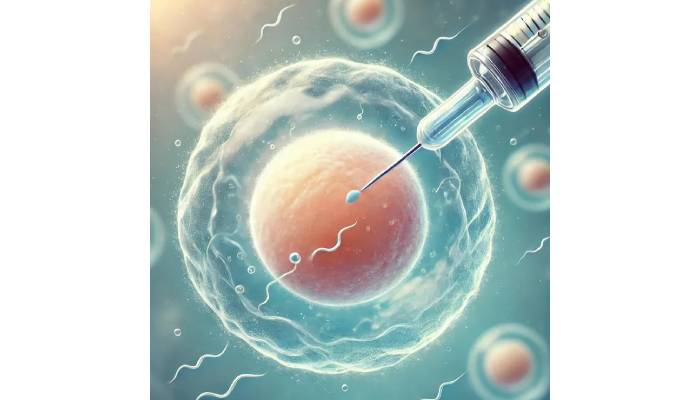
Becoming a parent through egg donation is a journey filled with hope, careful planning, and important decisions. This comprehensive guide walks you through each stage of the egg donation process, helping intended parents understand what to expect and how to prepare for this life-changing experience.
Egg Donation Process Steps
The egg donation process steps begin with understanding your fertility options and finding the right path forward. For many intended parents, egg donation offers a viable solution when facing challenges with conception. The process involves multiple stages that require careful coordination between medical professionals, egg donors, and intended parents. Each step is designed to ensure the best possible outcome while prioritizing the health and well-being of everyone involved. From initial consultations to embryo transfer, the journey typically spans several months and requires patience, commitment, and thorough preparation.
What Are the Egg Donation Process Steps?
The egg donation process steps involve a comprehensive series of medical and legal procedures designed to facilitate successful conception. Understanding the difference between fresh vs frozen cycle options is crucial when planning your egg donation journey. The process begins with selecting an egg donor, either through an agency or egg bank, followed by medical screening and legal agreements. Once these preliminaries are complete, the donor undergoes ovarian stimulation through hormone medications to produce multiple eggs. These eggs are then retrieved through a minimally invasive surgical procedure and fertilized with sperm in a laboratory setting. The resulting embryos are either transferred fresh or frozen for future use, depending on your chosen approach and medical recommendations.
 How Do You Choose the Right Egg Donor?
 How Do You Choose the Right Egg Donor?
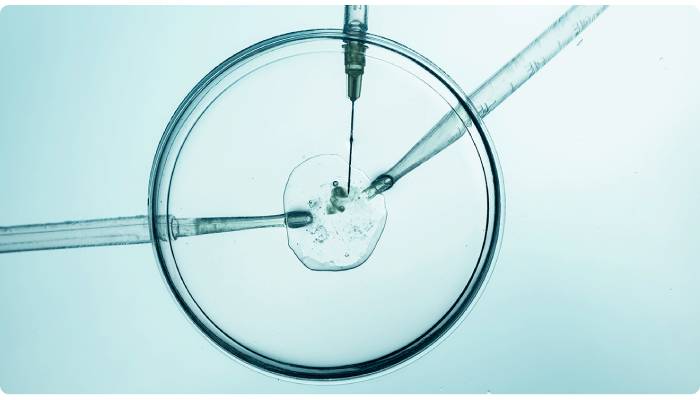
Selecting an egg donor is one of the most personal and important decisions in the egg donation process. Most intended parents work with reputable egg donor agencies or egg banks that maintain comprehensive databases of screened donors. These databases typically include detailed profiles featuring physical characteristics, educational background, medical history, personality traits, and sometimes childhood photos. When reviewing potential donors, consider factors that matter most to your family, including ethnicity, physical features, health history, and educational achievements. Many agencies also offer psychological profiles and personal essays written by donors, providing deeper insight into their motivations and character. It’s important to take your time during this selection process and feel confident in your choice, as this decision will have lasting implications for your future child.
What Medical Procedures Are Involved?
The medical aspect of egg donation involves sophisticated reproductive technologies and careful monitoring throughout the cycle. Once a donor is selected, she undergoes comprehensive medical screening, including blood tests, ultrasounds, and genetic testing to ensure optimal health. The actual donation cycle begins with the donor taking hormone medications to stimulate her ovaries to produce multiple eggs simultaneously, a process that typically takes 10-14 days. During this time, the donor visits the clinic regularly for blood tests and ultrasound monitoring to track follicle development. When the eggs reach maturity, the donor receives a trigger shot to prepare for retrieval. The egg retrieval procedure itself is performed under light sedation and takes approximately 20-30 minutes. A fertility specialist uses ultrasound guidance to gently aspirate the eggs from the ovarian follicles. Meanwhile, if using fresh sperm, the intended father or sperm donor provides a sample on the same day for fertilization.
Understanding Legal and Financial Considerations
Navigating the legal and financial aspects of egg donation requires careful attention and professional guidance. Before beginning the medical process, all parties must sign comprehensive legal agreements that clearly define parental rights, responsibilities, and expectations. These contracts typically address compensation for the donor, medical expenses, insurance coverage, and future contact arrangements. Working with an experienced reproductive attorney is essential to ensure all legal requirements are met and everyone’s rights are protected. The financial investment in egg donation can be substantial, typically ranging from $25,000 to $50,000 or more, depending on various factors including donor compensation, medical procedures, legal fees, and agency costs. Many intended parents explore financing options, payment plans, or fertility grants to help manage these expenses. Understanding these financial commitments upfront allows for better planning and reduces stress throughout the process. For additional guidance on family planning decisions, you might find helpful resources on health and wellness topics.
Conclusion
Embarking on the egg donation journey is a profound decision that opens doors to parenthood for many families. By understanding each phase of the egg donation process steps, intended parents can approach this path with confidence and realistic expectations. While the process involves medical procedures, legal considerations, and financial investments, the ultimate reward of building your family makes every step worthwhile. Remember to surround yourself with knowledgeable professionals, including fertility specialists, attorneys, and counselors who can guide you through each stage. Take time to research your options, ask questions, and connect with other intended parents who have walked this path. With proper preparation, patience, and support, egg donation can lead to the joyful outcome of welcoming a child into your family.