
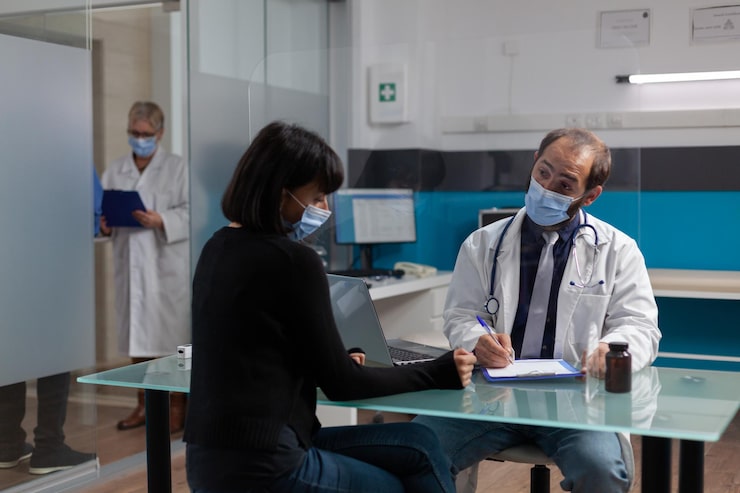
Visiting an urgent care clinic for the first time may feel a bit daunting, but knowing what to expect helps ease that worry. When you arrive, you’ll start with a straightforward check-in process. Just provide your name, contact info, and a brief overview of your condition. Make sure to bring essentials like an ID and insurance card, which will make things go smoother. After check-in, a nurse will assess your vital signs and discuss your symptoms. You then meet with a healthcare provider who examines you further and may suggest tests or treatment options based on your needs. Overall, being prepared not only simplifies the experience but also promotes better care during this quick visit.
1. Check-In Process at Urgent Care
When you first step into an urgent care clinic in los angeles, your visit begins with the check-in process. Most clinics have a sign-in sheet or an electronic kiosk for you to use. If you have any special needs, like requiring wheelchair access, it’s a good idea to let the staff know as soon as you arrive. During check-in, you might have to sign consent forms related to treatment and privacy policies, so be prepared for that.
If your issue is minor, some clinics offer a fast-track check-in option to speed things up. It can also help to have a contact number handy for any follow-up questions after your visit. If you came with someone, they can usually stay with you during the check-in, unless the clinic has specific rules against it.
In many locations, you can check in online before arriving, which saves time. Be ready to answer questions about any allergies or previous medical conditions, as this information is important for your care. Keep in mind that there may be a short wait during busy times, so bringing something to pass the time, like a book or your phone, can be helpful. The staff is there to assist you, so don’t hesitate to ask if you have any questions.
 2. Essential Items to Bring
 2. Essential Items to Bring
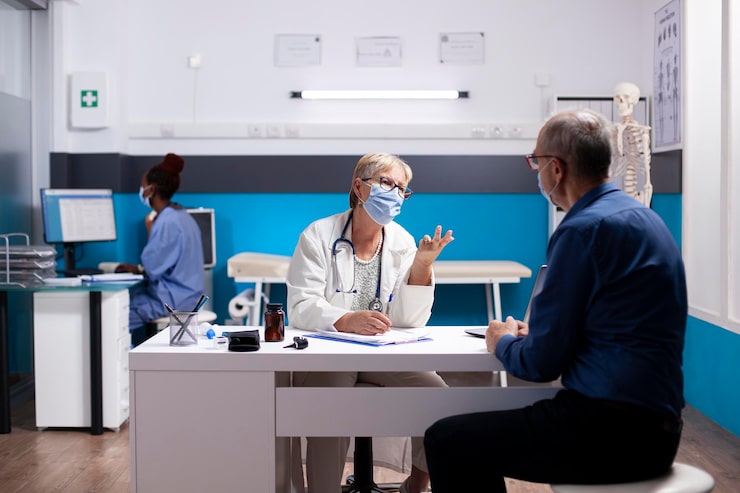
When preparing for your first visit to an urgent care clinic in Los Angeles, it’s important to bring a few essential items that can help make your experience smoother. Start with a copy of your health history, as this can provide valuable insight to the medical staff about your past treatments and conditions. If you have any recent test results or imaging studies that relate to your current issue, be sure to bring those along too. Having a list of emergency contacts is wise, should the clinic need to reach someone on your behalf. If you have allergies, jotting them down can assist the medical team in providing the best care possible.
Consider carrying a notebook to take notes on any important instructions or questions you may want to ask your provider. It can also be helpful to have your pharmacy’s contact details handy for any prescriptions you might need. If you wear glasses or contact lenses, don’t forget to bring them for a proper vision assessment. For parents, a favorite toy or item can help comfort children during their visit, making the experience less stressful. If you manage a chronic condition, bring any relevant medical devices or supplies, like inhalers or blood sugar monitors. Lastly, ensure your phone is charged; you may need it for communication or to access health apps during your visit.
- A copy of your health history can help your visit go smoothly.
- If applicable, bring any recent test results or imaging studies that relate to your condition.
- Consider carrying a list of emergency contacts in case the clinic needs to reach someone for you.
- If you have specific allergies, having that information written down can assist medical staff during your evaluation.
- Bringing a notebook can help you jot down important instructions or questions you may want to ask your provider.
- It’s wise to have your pharmacy’s contact details handy for prescription needs.
- If you wear glasses or contact lenses, don’t forget to bring them for accurate vision assessments.
- For parents, bringing a favorite toy or item can help comfort children during their visit.
- If you have a chronic condition, bring any relevant medical devices or supplies (like inhalers or blood sugar monitors).
- Ensure your phone is charged; you may need it for communication or to access health apps.
3. Initial Assessment Overview
After you check in, a nurse or medical assistant will conduct an initial assessment. This process is essential for prioritizing your care based on urgency and specific needs. Be prepared to discuss your current symptoms in detail, including how long you’ve been experiencing them and their severity. The staff might ask about your medical history, such as any past surgeries or hospitalizations, as this information can significantly influence your treatment options.
You may also be questioned about your family medical history, which helps providers understand potential hereditary issues. Expect inquiries about your lifestyle, including smoking or alcohol use, since these factors can affect your health and treatment. Additionally, if your symptoms suggest an infectious disease, your recent travel history might be discussed.
It’s crucial to share information about any current medications you’re taking. This helps avoid potential drug interactions and ensures that your treatment plan is safe. A brief physical examination may follow to help pinpoint the issue more accurately. If you have specific concerns, make sure to communicate them early during this assessment phase. Typically, this initial assessment takes around 10 to 15 minutes, so patience during this time is appreciated.
4. Meeting Your Healthcare Provider
When you meet your healthcare provider at the urgent care clinic, they will introduce themselves and clarify their role in your care. This is a good time to establish a rapport, as they will review the information gathered during your initial assessment. Be ready to answer any additional questions about your symptoms and any changes you have noticed since your last visit. Depending on your situation, the provider may perform a focused physical exam that targets your specific symptoms. They will likely discuss potential diagnoses based on what you’ve shared and their assessment findings. If there are terms or procedures you don’t understand, don’t hesitate to ask for clarification. If diagnostic tests are necessary, your provider will explain why these tests are important for your care. Remember, these professionals are trained to handle a broad range of conditions, so trust in their expertise. They may also discuss lifestyle factors that could influence your health, providing a more holistic approach to your care. Your comfort and understanding are key during this consultation, so make sure to express any concerns or questions you might have.
5. Common Conditions Treated
Urgent care clinics are designed to address a wide range of medical issues that can arise unexpectedly. Common conditions treated at these facilities include minor injuries like sprains, strains, and even minor fractures that do not require surgery; for such injuries, clinics can provide splints or casts to support healing. If you experience respiratory infections such as bronchitis or pneumonia, urgent care can offer immediate assistance when symptoms are moderate. Skin infections, including cellulitis, can also be effectively managed. If you’re dealing with gastrointestinal issues or urinary tract infections (UTIs), urgent care clinics are well-equipped to help. Eye injuries or infections are another area where these clinics excel, providing prompt care to prevent complications. In addition, providers can handle allergic reactions and insect bites, ensuring you receive the necessary treatment quickly. Sports injuries, including concussions, can be assessed and treated appropriately, while patients suffering from severe headaches or migraines can find relief through immediate care. Some clinics even offer vaccinations for common illnesses, enhancing your preventive care options. Furthermore, urgent care clinics are prepared to address behavioral health issues that may require immediate attention, making them a versatile option for urgent medical needs.
6. Treatment Options and Prescriptions
After your evaluation, your healthcare provider will outline a treatment plan tailored to your needs. This may include over-the-counter medications to help alleviate pain or discomfort. If a bacterial infection is diagnosed, the provider will likely prescribe antibiotics, ensuring you understand how to take them and any potential side effects. In cases of inflammation, injections like corticosteroids might be administered right at the clinic. For injuries, urgent care clinics can provide wound care, including stitches or dressings if necessary. Additionally, if you are experiencing dehydration or other serious conditions, IV fluids can be administered to help you recover more quickly. Your provider will also offer guidance on over-the-counter medications that may assist in managing your symptoms effectively. It is important to discuss any follow-up actions or referrals to specialists, especially for chronic conditions. Before leaving, make sure you fully comprehend your treatment plan, including any side effects or interactions related to prescribed medications.
7. Understanding Payment and Insurance
When visiting an urgent care clinic, understanding the payment and insurance options available to you is important. If you are uninsured or underinsured, inquire about the clinic’s policy on payment plans. This can help you manage costs more effectively. Before your visit, it’s a good idea to review the clinic’s pricing structure for common services. If you have insurance, ask about any copays or deductibles that may apply during your visit, as these can vary significantly between plans.
Many clinics offer discounts for cash payments, so check if that’s an option for you. Most urgent care clinics accept credit cards, debit cards, and cash at the time of service. If you prefer a telehealth option, note that pricing may differ from in-person visits, so it’s worth asking about that as well.
It’s advisable to contact your insurance provider beforehand to understand your coverage and ensure that the clinic you choose is in-network. Urgent care clinics typically provide clear itemized bills, making it easier to understand the costs associated with your visit. Additionally, inquire about billing timelines and processes for any follow-up services you may need. Lastly, remember to keep all receipts and documentation from your visit for future reference.
8. Aftercare Instructions and Follow-Up
After your visit to the urgent care clinic, you will receive specific aftercare instructions tailored to your treatment. These may include steps for at-home care such as how to care for a wound or administer prescribed medication. To help you remember what to do, written instructions are often provided. If your condition requires follow-up care, make sure to schedule any necessary appointments before you leave the clinic.
Your healthcare provider might suggest lifestyle changes that can aid in your recovery and help prevent future issues. If further treatment is needed, don’t hesitate to ask for referrals to specialists or your primary care provider. Some clinics also make follow-up calls or send messages to check on your recovery. It is important to be aware of warning signs that would require immediate medical attention after your visit. If you notice new or worsening symptoms, reach out to the clinic or your primary care provider promptly.
Make sure you understand when to return for follow-up based on your specific condition and treatment plan. Keeping all aftercare documents and instructions in an easily accessible place will be helpful for your reference.
9. Expected Waiting Times
Waiting times at urgent care clinics in Los Angeles can vary significantly based on the day and time of your visit. Weekends tend to be busier than weekdays, which might lead to longer waits. Some clinics provide estimated wait times online, helping you gauge how long you might need to wait before arriving. It’s important to note that urgent care centers prioritize patients according to the severity of their conditions. As a result, those with more severe symptoms will be seen first, which can extend wait times for others. During peak hours, you might experience wait times exceeding an hour, but most patients are typically seen within about 30 minutes. If you have a minor issue, it is advisable to visit during off-peak hours for quicker service. Completing your check-in forms online before you arrive can also shorten your check-in time. To make your wait more comfortable, many clinics offer amenities like Wi-Fi and refreshments. Additionally, some clinics allow you to reserve a spot in line, which can significantly reduce the time you spend waiting.
Frequently Asked Questions
What type of services can I get at an urgent care clinic?
At an urgent care clinic, you can get help for minor injuries, illnesses, and other conditions that need quick attention but are not life-threatening, like sprains, cuts, and common colds.
Do I need to bring anything for my first visit?
Yes, it’s a good idea to bring your ID, any medical records you have, and a list of medications you are currently taking, if applicable.
How long will I have to wait for my appointment?
Wait times can vary, but urgent care clinics generally aim to see patients as quickly as possible, often within an hour or so, depending on how busy they are.
What should I expect during my visit?
During your visit, you will check in at the front desk, fill out some forms, and then wait to see a healthcare provider who will examine you and discuss your symptoms.
Can I visit an urgent care clinic for a routine check-up?
Urgent care clinics are mainly for urgent health issues, not for routine check-ups or preventive care, so it’s better to see your primary care doctor for those.
TL;DR Visiting an urgent care clinic in Los Angeles offers a convenient way to receive medical attention for non-emergency conditions. Upon arrival, you’ll go through a check-in process, where basic info and a brief description of your symptoms are collected. It’s helpful to bring a photo ID, insurance card, and any medications you’re taking. After an initial assessment, you’ll meet with a healthcare provider for a thorough evaluation and potential diagnostic tests. Common issues treated include minor injuries, colds, and skin conditions. Treatment plans may include prescriptions or on-site care. Make sure to understand your payment options and follow any aftercare instructions provided. Wait times are generally shorter than emergency rooms, often under 30 minutes.