
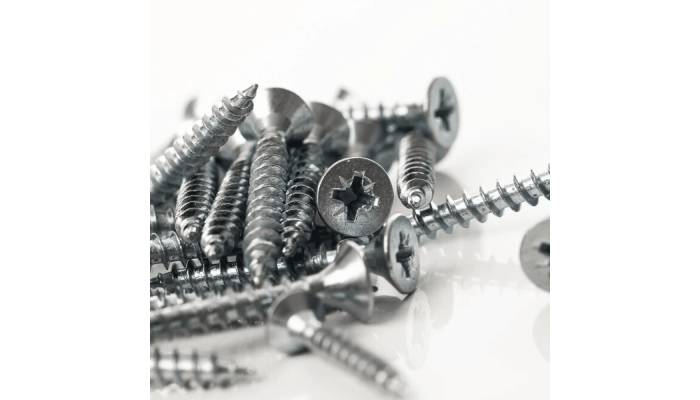
Screw manufacturing in India has grown into a highly organized, technology‑driven industry that serves construction, automotive, furniture and many other sectors. This article explains how Indian manufacturers produce screws, what quality standards they follow, and why they are becoming preferred partners for global buyers.
Screw Manufacturing In India Overview
Screw manufacturing in India has transformed from small workshops into a large network of modern plants equipped with cold‑forming machines, automated threading lines and advanced heat‑treatment facilities. These units can produce a wide range of screws, including self‑drilling screws, drywall screws, machine screws and special fasteners tailored to project requirements, allowing buyers to source most of their fastening needs from domestic suppliers.
Indian manufacturers benefit from access to quality steel, growing engineering expertise and a strong ecosystem of tool and die makers who support the fastener industry. Many units operate near major industrial clusters, which helps reduce logistics costs and ensures faster deliveries for domestic and export customers who rely on steady supplies of critical fasteners.
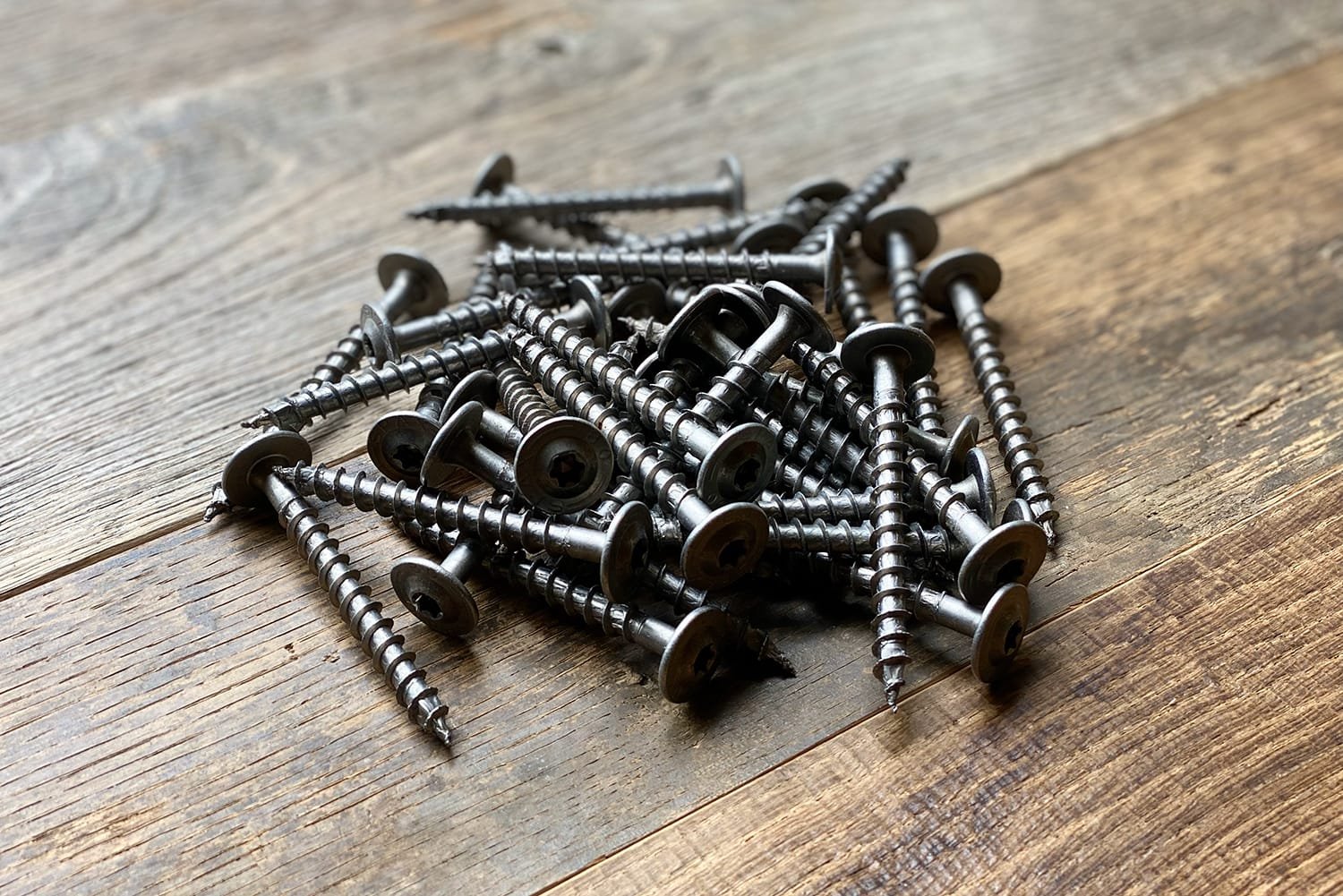
Screw Manufacturing In India For Modern Construction Needs
Screw manufacturing in India plays a critical role in supporting modern construction, particularly in drywall, roofing, façade and interior fit‑out projects. Real estate developers, contractors and interior specialists increasingly prefer screws over traditional fasteners because screws offer better holding strength, easier installation and cleaner finishes for both residential and commercial projects.
As construction practices adopt more dry systems such as gypsum boards, metal frames and lightweight steel structures, demand for specialized screws has increased sharply. Builders now look for screws with corrosion resistance, accurate threading and consistent dimensions, which Indian manufacturers supply using advanced coatings and strict production controls to ensure reliable performance on‑site.
How Indian Manufacturers Ensure Screw Quality?
Quality assurance is central to screw manufacturing in India because screws are safety‑critical components that hold structures, machinery and fixtures together. Manufacturers begin by choosing suitable grades of steel wire, which are then tested for diameter, tensile strength and chemical composition before entering the forming line.
Why Screw Manufacturing In India Supports Multiple Industries?
Screw manufacturing in India is not limited to building and construction; it supports several industries that depend on precise, durable fasteners. Automotive manufacturers use specially designed screws in assemblies ranging from engine components to interior trims, while appliance makers require small yet high‑precision screws for electrical and electronic products.
How Buyers Can Choose Reliable Screw Manufacturers In India?
Selecting the right partner in screw manufacturing in India starts with checking the manufacturer’s experience in the relevant application area, such as construction, automotive or furniture. Buyers should review certificates, test reports and sample batches to confirm that the screws meet required specifications for strength, coating and dimensional accuracy.
Site visits or virtual audits can help procurement teams assess machine capabilities, maintenance practices and quality‑control systems in the plant. It is also useful to evaluate the supplier’s responsiveness, technical support and willingness to develop customized screws for unique design or performance needs.
Conclusion
Screw manufacturing in India has evolved into a technologically advanced, quality‑focused industry that supports construction, automotive, furniture and many other sectors with reliable fasteners. With strong manufacturing capabilities, diverse product ranges and growing emphasis on international standards, Indian screw manufacturers are well positioned to serve both domestic and global markets.