
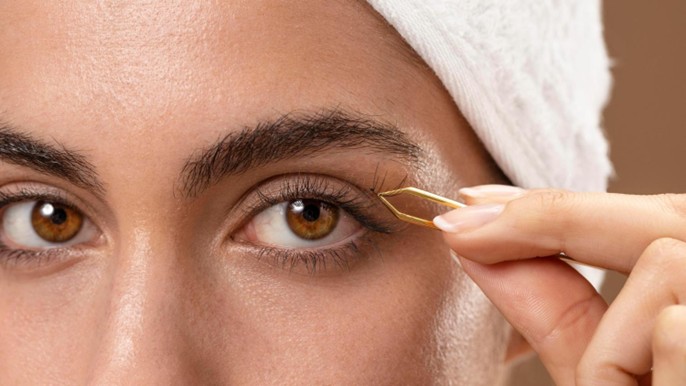
Lash results are often judged by how they look on day one, but clients tend to remember how they feel over time. Comfort during wear, ease of maintenance, flexibility, and removal all shape whether an experience is perceived as positive or frustrating. These factors are influenced less by styling choices and more by the attachment method itself. As lash options have expanded beyond traditional salon extensions, understanding the differences between attachment types has become essential. This is why resources like https://www.plapro.com/ that clearly explain lash bond vs lash glue are increasingly referenced in professional conversations, helping set realistic expectations around wear experience rather than focusing solely on appearance.
Attachment method is not a technical detail hidden behind the scenes. It is one of the main variables that determines how lashes behave throughout daily life.
Wear Experience Starts With Product Intent
Every lash attachment product is designed with a specific purpose in mind. Problems arise when clients assume all adhesives are interchangeable or expect the same feel and longevity from products built for different use cases.
Traditional professional lash glue is engineered for precision application and extended wear. It creates a firm bond between individual extensions and natural lashes, offering structure and durability over weeks. Lash bonds, commonly used with clusters or at-home styles, are formulated for flexibility and easier removal, prioritising comfort and adaptability over long-term hold.
Neither approach is inherently better. The wear experience simply reflects the product’s intended function.
Comfort During Daily Movement
One of the most noticeable differences between attachment methods is how lashes feel during blinking, rubbing, and facial movement. Lash bonds tend to remain more pliable, allowing lashes to move naturally with the eye. This flexibility often appeals to clients who are sensitive to stiffness or who are new to wearing lashes.
Professional lash glue, by contrast, creates a more rigid structure designed to keep extensions precisely positioned. For experienced extension wearers, this stability is often associated with security and polish. For others, especially those unaccustomed to extensions, the initial sensation can feel more noticeable.
Matching attachment method to client tolerance plays a significant role in perceived comfort.
Longevity and Its Trade-Offs
Longevity is often treated as the primary marker of success, but longer wear comes with different responsibilities. Professional lash glue supports extended wear cycles, which means clients must commit to proper aftercare and regular maintenance. Oils, friction, and improper cleansing can create uneven shedding that affects comfort over time.
Lash bonds typically offer shorter wear periods, allowing clients to refresh or remove lashes more frequently. This can feel liberating for those who prefer change or who do not want a long-term commitment. However, shorter wear also means more frequent reapplication, which some clients find inconvenient.
The “best” wear time is subjective and depends on lifestyle, routine, and expectations.
Impact on Removal Experience
Removal is an often-overlooked part of the wear experience. Adhesives designed for long-term hold require professional removal or carefully formulated dissolvers to prevent damage to natural lashes. When handled properly, removal is controlled and safe, but it does require time and expertise.
Lash bonds are typically designed to break down more easily, making removal faster and less intimidating for at-home users. This convenience contributes to their popularity but also reinforces why they are not intended to replace professional adhesives.
A positive wear experience includes removal that feels manageable rather than stressful.
Sensitivity and Eye Comfort Over Time
Attachment method also influences how the eye area responds over days and weeks. Firmer adhesives can amplify discomfort if applied improperly or if environmental factors such as humidity are not controlled. Flexible bonds may feel gentler for sensitive clients but can cause issues if over-applied or layered repeatedly.
According to the Royal College of Ophthalmologists, irritation around the eye area is more commonly linked to misuse of cosmetic products and prolonged exposure rather than the presence of cosmetics themselves. This underscores the importance of choosing attachment methods that align with both product guidelines and individual sensitivity.
When comfort is prioritised, wear experience improves regardless of attachment type.
Lifestyle Compatibility Matters More Than Style
Clients often select lash styles based on aesthetics without considering how those choices align with daily routines. Active lifestyles, frequent face washing, makeup habits, and work environments all influence how lashes wear.
Professional lash glue suits clients who prefer low daily involvement and structured maintenance schedules. Lash bonds appeal to those who value flexibility, occasional wear, or the ability to remove lashes independently.
When attachment method matches lifestyle, wear experience feels intuitive rather than restrictive.
Maintenance and Psychological Comfort
Beyond physical sensation, attachment methods affect psychological comfort. Some clients feel reassured by the permanence of professional extensions, while others feel constrained by it. Conversely, the temporary nature of bonded lashes can feel freeing to some and unreliable to others.
These emotional responses influence satisfaction just as much as physical comfort. Clients who feel in control of their lashes are more likely to enjoy wearing them, regardless of method.
Open discussions about attachment options help align expectations before application begins.
Professional Perspective on Wear Experience
For professionals, attachment method influences service structure, client education, and follow-up care. Clear explanations around what clients can expect reduce misunderstandings and prevent dissatisfaction rooted in mismatched assumptions.
As the lash industry evolves, professionals are increasingly acting as educators rather than just service providers. Explaining why different attachment methods feel different during wear helps clients make informed choices and builds trust.
Choosing Experience Over Assumptions
The wear experience of lashes is shaped by design, not chance. Attachment methods are tools created to meet different needs, and understanding their impact allows clients to choose services that align with comfort, lifestyle, and expectations.
When discussions move beyond appearance and into how lashes actually wear, satisfaction improves on both sides. By reframing attachment methods as experience-shaping decisions rather than technical footnotes, the industry moves toward more transparent, client-centred care, where comfort, clarity, and intention define success just as much as visual results.