
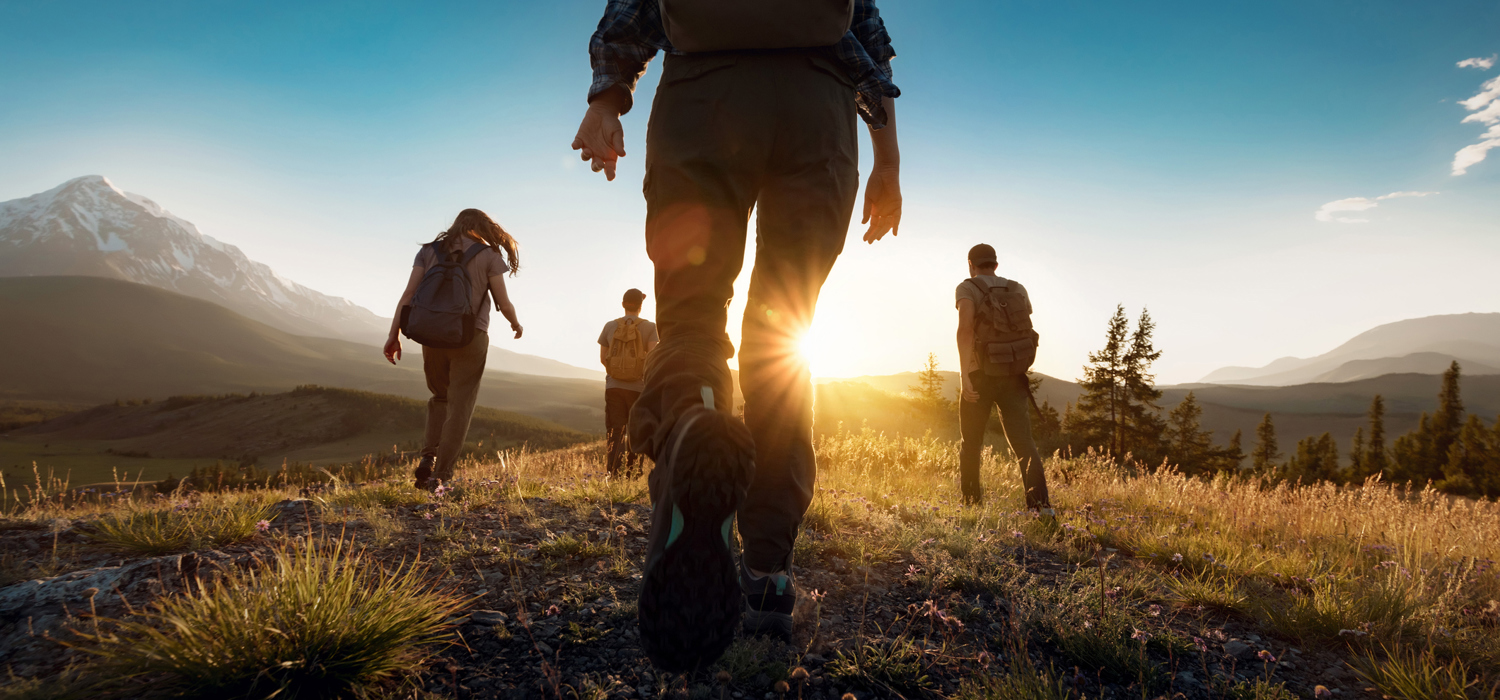
Travel no longer satisfies when it stays predictable. You want stories you can tell, skills you can carry home, and moments that stretch you just enough to feel alive. That hunger explains why adventure vacations keep gaining ground.
Why not chase trips that move your body and connect you to real places through real effort? Adventure travel redefines comfort around purpose, learning and personal reward.
A shift towards active and experience-led travel
You plan trips differently than you did a decade ago. Instead of asking where to stay, you start by asking what you can do.
Adventure vacations flip the script by building itineraries around activities like kayaking, trekking, wildlife tracking, or cultural immersion that require participation rather than observation.
You can follow a simple process to design this kind of trip: choose a skill you want to practice, match it to a destination known for that activity, and book guides who teach as they lead. This approach turns downtime into discovery and leaves you with tangible progress, not just photos.
Health, wellbeing and time outdoors
You already know that movement improves your mood, but adventure travel puts that knowledge into action. When you spend days outside, your sleep deepens, and your attention sharpens.
Combine steady physical effort with changing scenery when you choose a hiking trip, as this keeps your mind engaged without overload.
You can maximize the benefits by pacing daily distances to your fitness level, prioritizing daylight hours, and fueling with simple, local food rather than packaged snacks. The result feels restorative because your body and environment work together instead of competing for attention.
Sustainability and responsible travel choices
These vacations often support sustainability because they rely on intact landscapes and local knowledge. You can make responsible choices by selecting small-group operators, traveling outside peak seasons, and spending money with community-run lodges or outfitters.
This style of travel reduces strain on infrastructure while directing income to people who protect the environment you came to enjoy. You return home knowing your presence helped maintain the experience for the next traveler rather than diminishing it.
More accessible than ever
You no longer need elite fitness or specialist gear for this type of travel. Outfitters now offer graded difficulty levels, equipment rentals, and short itineraries that fit into a long weekend.
Digital planning tools help you compare routes and connect with local guides before you arrive. Adventure has opened its doors by meeting you where you are, then showing you how far you can go once you step through.