
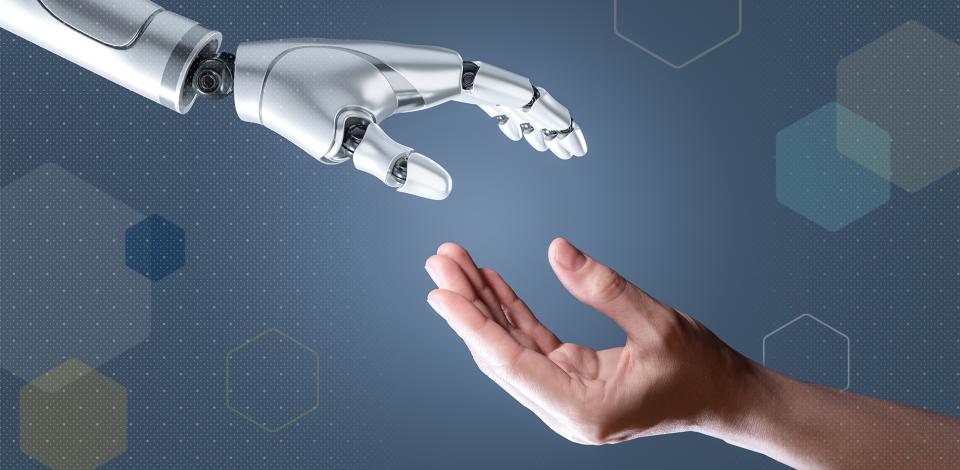
The transition from human steering to computer control is one of the most significant shifts in transportation history. For over a century, the road has been governed by human intuition and physical reflexes that have defined our travel. We are now entering an era where algorithms and sensors are taking over the heavy lifting of navigation.
While the promise of increased safety is a major selling point, the reality of the software is often far more complicated than the marketing brochures suggest. Roads are chaotic environments filled with unpredictable elements that challenge even the most advanced computer systems. This shared control creates a new layer of tension between the machine and the human operator today.
Navigating the aftermath of a crash involving self-driving cars is an incredibly difficult task for families and legal teams alike. Determining who is truly responsible for a mechanical failure or a slow human response is the central challenge of modern litigation. Success in these cases requires a deep look at self-driving car liability to ensure that justice remains possible.
Automation Limits
Sensors are the eyes of an automated vehicle, yet they are far from perfect when faced with the harsh realities of the open road. Heavy rain, thick fog, or even the glare of a rising sun can blind the cameras and lidar systems used for navigation. When the tech cannot see the lane lines, the entire safety system begins to fail.
Software logic also struggles with edge cases that a human driver would handle without a single second thought. A plastic bag blowing across the highway or a strangely shaped construction vehicle can confuse the algorithms, leading to sudden and very dangerous braking. These gaps in perception are where the most serious accidents often occur for everyone.
Edge cases are the ultimate test for any automated system currently operating on our public streets. No amount of testing in a controlled environment can prepare a computer for the sheer randomness of a busy city intersection. These limitations mean that the promise of a perfect driver remains a distant goal for now.
Human Override Issues
One of the most dangerous moments in a partially automated journey is the handoff between the computer and the human. When a system reaches its limit, it often alerts the driver to take control of the steering wheel immediately. This sudden shift requires a level of alertness that many people simply do not maintain.
Research shows that humans are notoriously bad at monitoring a system that appears to be working perfectly. Boredom sets in, and people begin to check their phones or daydream while the car handles the highway. By the time the alarm sounds, the driver is mentally miles away and unable to react in time.
This delay in response can be the difference between a near miss and a catastrophic collision with another vehicle. The transition period is a zone of high risk that technology has yet to fully solve for its users. Human judgment is a muscle that atrophies when it is not being used constantly.
Responsibility Ambiguity
Determining fault in a crash involving an automated system is a puzzle that challenges the traditional foundations of our legal world. If a computer makes a wrong choice, it is unclear if the blame lies with the software developer or the driver. This ambiguity creates a massive loophole that corporations often use to protect their profits.
Companies frequently argue that the driver should have been more attentive and ready to take over at any moment. They point to the fine print in the user manual to shift the responsibility back onto the individual consumer. This defense ignores the fact that the system was marketed as being capable and very safe.
On the other hand, the hardware itself can fail due to poor manufacturing or a lack of proper maintenance over time. Isolating the specific cause of a malfunction requires a deep technical investigation into lines of code and sensor data. The fight for accountability is a long and very expensive journey for victims.
Regulatory Lag
Laws governing the road were written long before the first lines of code for an automated vehicle were ever conceived. Most current traffic codes assume that a human is always in control of the vehicle and its specific movements. This outdated framework creates a significant hurdle for those seeking justice after a high tech crash.
Insurance companies are also struggling to adapt their policies to a world where the driver is not always a person. The lack of clear standards makes it difficult to settle claims without a long and very expensive court battle. Policy makers are currently racing to catch up with the rapid speed of innovation.
Without a consistent set of rules, the road remains a wild west for tech companies and unsuspecting motorists alike. Establishing a new legal standard is a slow process that requires cooperation between engineers and government officials. The gap between tech and law continues to widen every single day.
Conclusion
The collision between advanced technology and human intuition is a defining feature of the modern transportation landscape for all of us. While we chase the dream of a safer future, we must acknowledge the very real dangers of the transition period. We are currently living through a massive experiment on our own public streets.
Finding a balance between innovation and public safety is a task that requires a commitment to transparency from every single corporation. We cannot allow the excitement of the future to blind us to the risks of the present day. Accountability must remain the cornerstone of any system that moves people through the world.
Ultimately, the goal is to build a world where travel is truly safe and predictable for every single person. Until then, we must remain vigilant and respect the limits of the machines we have created to help us. The road to progress is often marked by the lessons we learn from our mistakes.