
Luxury travel doesn’t always mean switching off completely or staying cocooned behind hotel gates. Some of the most rewarding journeys come from moving through a place at a steady pace, noticing how landscapes change and how people live day to day.
Across different continents, some routes and regions reveal themselves best over time, whether by road, rail, water, or on foot. These journeys aren’t about ticking landmarks off a list. They’re about understanding why certain places feel the way they do, how geography shapes daily life, and what makes each destination distinct.
The following five journeys focus on places where scenery, culture, and logistics come together in a way that rewards travellers who want depth without giving up ease.
France reveals vineyards, villages, and charming countryside
Travelling through rural France is less about covering ground and more about choosing where to slow down. Burgundy, the Loire Valley, and parts of Provence work well for this kind of journey, especially when small towns sit close enough to explore without rushing. Cycling routes link vineyards, bakeries, and local markets, and it’s a good idea to plan your cycling trips around wine regions where accommodation is used to hosting riders.
The Burgundy Canal is a practical backbone for exploring smaller villages like Châteauneuf-en-Auxois or Nolay. Roads are quiet, signage is clear, and support services are reliable. Luggage transfers are common, which keeps days manageable without losing independence. Stops tend to revolve around food rather than landmarks, with lunch often becoming the main event of the day.
Staying in converted farmhouses or small château hotels adds comfort without formality. These places usually offer secure bike storage, generous breakfasts, and hosts who know which roads to avoid. The appeal here isn’t spectacle. It’s consistency: good food, manageable distances, and countryside that feels lived in rather than curated.
Patagonia showcases glaciers, mountains, and windswept plains
Patagonia is vast in a way that changes how journeys are planned. Distances between towns in southern Chile and Argentina are long, and weather dictates much of the experience. Travellers who do best here build flexibility into their schedules and accept that plans will shift. The reward is access to landscapes that feel genuinely remote.
Torres del Paine National Park is often the anchor point, with lodges positioned to minimise travel time once inside the park. From there, routes extend towards El Calafate and the Perito Moreno Glacier, where boardwalks allow close views without technical trekking. Boat trips across Lago Argentino offer a different perspective and are less affected by wind than expected.
Luxury in Patagonia comes through logistics rather than indulgence. Heated transfers, experienced guides, and well-timed departures make a real difference. Evenings are quiet, often centred around long dinners and early nights. There’s a rhythm to the place that doesn’t suit rushing, and most travellers adjust quickly.
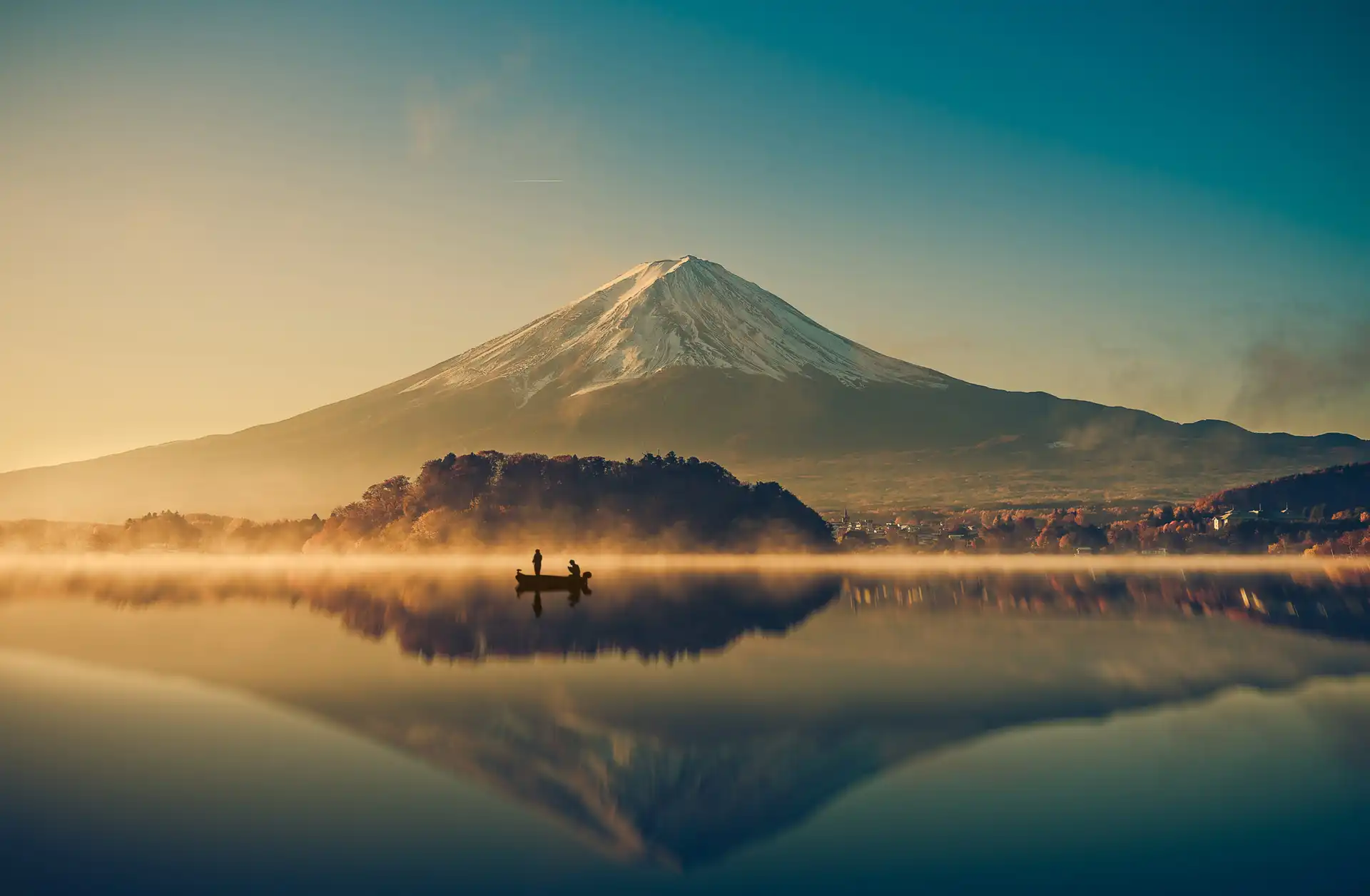
Japan offers temples, gardens, and mountains that capture every sense
Japan is straightforward to navigate once the initial unfamiliarity fades. Trains run on time, signage is clear, and even rural areas feel accessible. A well-planned route usually starts in Tokyo, then moves west to Kyoto. Many travellers follow this route before branching out, which explains why most Japan travel packages are structured around these two cities. It’s a sensible foundation rather than a marketing choice.
Kyoto’s temple districts reward early starts. Places like Nanzen-ji or Daitoku-ji are calm in the morning, and nearby cafés open quietly without fanfare. In contrast, Tokyo’s neighbourhoods change character block by block, from the backstreets of Yanaka to the food halls of Ginza. Each area feels self-contained.
Mountain regions add balance. Staying in a ryokan in Takayama or Matsumoto brings a slower pace, with set dinners and limited distractions. Hot springs are practical rather than indulgent, especially after walking days. Japan’s appeal lies in how smoothly contrasting experiences fit together without effort.
Iceland dazzles with waterfalls, volcanic landscapes, and northern lights
Iceland works best as a road journey, particularly along the Ring Road that circles the island. Driving conditions are generally good, though the weather can change quickly. Travellers who allow extra days avoid the pressure of covering too much ground. The south coast is often the starting point, with stops at Seljalandsfoss, Skógafoss, and the black sand beaches near Vík.
Further east, landscapes open up and traffic thins. Glacier lagoons like Jökulsárlón are striking, but it’s often the unnamed pull-offs that linger longest. Small guesthouses and boutique lodges offer comfort without excess, and meals tend to be simple but well-prepared.
Winter travel adds complexity but also access to the northern lights and ice caves. Guided excursions handle safety concerns and make night drives unnecessary. Iceland isn’t about constant activity. Long stretches of driving, quiet evenings, and weather-watching are all part of the experience.
Madagascar surprises with unique wildlife, baobabs, and pristine beaches
Madagascar requires patience, but it rewards travellers who approach it with realistic expectations. Infrastructure varies widely, and travel times are often longer than maps suggest. Most journeys start in Antananarivo before branching out to specific regions like Andasibe or Morondava. Domestic flights help reduce overland travel where possible.
Andasibe-Mantadia National Park is one of the easiest places to see wildlife, including indri lemurs whose calls carry through the forest. Guided walks are essential, both for navigation and understanding what’s being seen. Lodges here focus on comfort and practicality rather than luxury trappings.
The West Coast offers contrast. The Avenue of the Baobabs near Morondava is best visited at sunrise when temperatures are manageable. Further north, beach areas like Nosy Be provide downtime after inland travel. Madagascar isn’t polished, but that’s part of its draw.
Why do these journeys stay with travellers long after they return?
These places stand out not only for their scenery but for how smoothly they work when you travel through them with a bit of forethought. Each journey benefits from pacing, local knowledge, and choosing comfort where it genuinely matters.
Luxury here shows up in reliable transport, knowledgeable guides, and places to stay that understand their surroundings. These journeys don’t demand expertise, but they do ask travellers to engage. That balance is what makes them memorable.
For those willing to travel with curiosity rather than expectation, these routes offer something steady and lasting. They don’t overwhelm, and they don’t pretend to be something else. That’s often what experienced travellers are really looking for.