
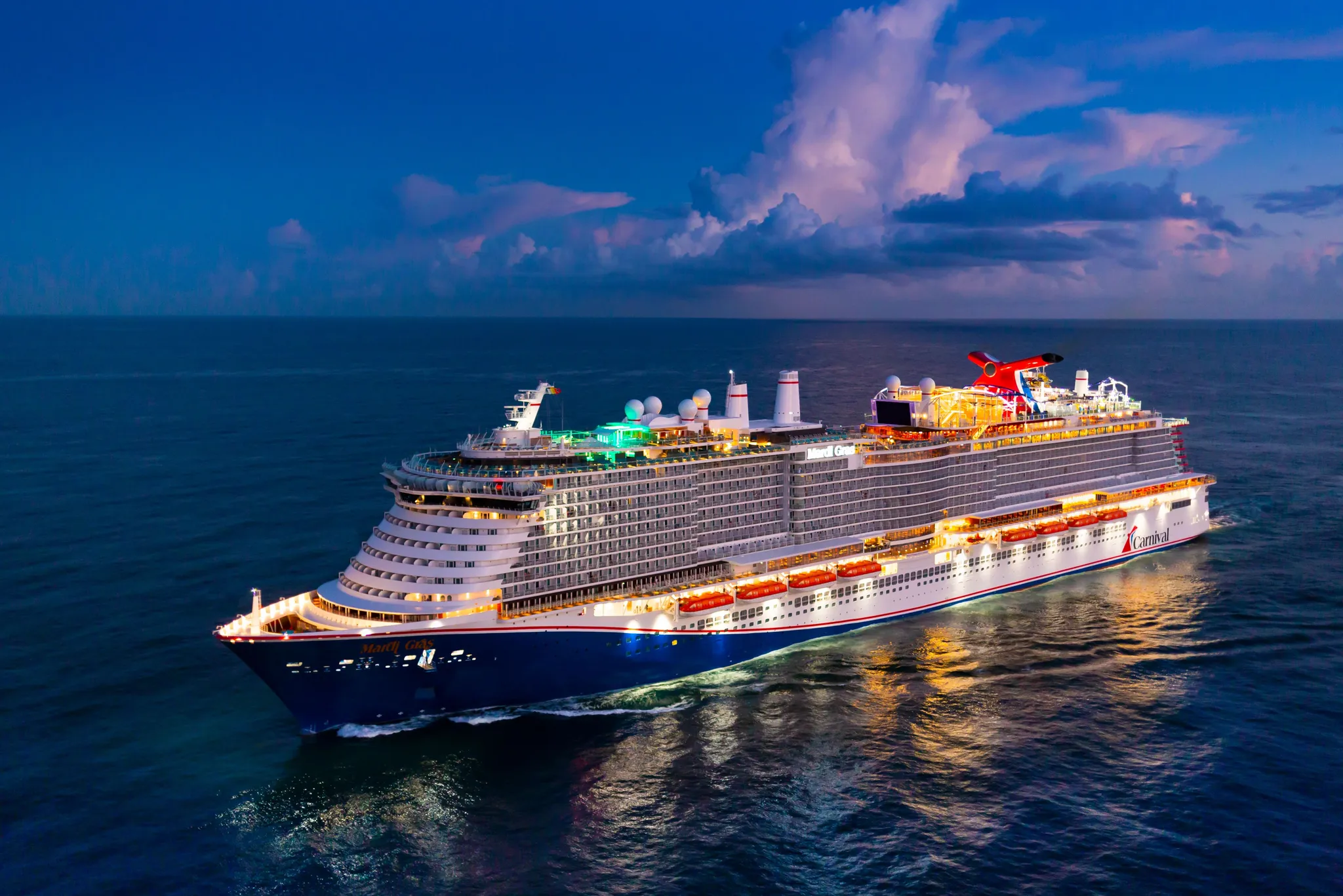
Cruising works best when it’s treated as a way to reach places that aren’t always easy to visit by land. The ship becomes a moving base rather than the main event. On well-planned itineraries, days are shaped around shore time, weather, and distance rather than onboard schedules. That’s where luxury starts to matter, mostly because it removes friction.
The cruises below suit travellers who want access, comfort, and a sense of progression from place to place. They’re not about racing through ports or filling every hour. The value comes from pacing, smaller groups, and ships designed for the regions they sail. Indian Ocean islands, Arctic wilderness, Mediterranean coastlines, Alaskan fjords, and Caribbean archipelagos all work well from the water when done properly.
Indian Ocean for turquoise waters, private islands, and luxury sailing
The Indian Ocean covers a huge area, and cruising here is less about ticking off ports and more about reaching islands that feel deliberately spaced apart. Routes often include the Seychelles, Maldives, or remote parts of East Africa, where travel by air alone would involve multiple connections. Indian Ocean cruises tend to rely on smaller, high-end ships that can anchor close to shore and avoid busy harbours.
Days usually revolve around time off the ship. Snorkelling straight from the beach, tendering to private islands, or spending a quiet afternoon ashore is the norm. The water is calm for much of the year, which makes sailing smoother and schedules more predictable. That consistency matters when itineraries are built around longer sea days.
Onboard, the focus is on space and service rather than entertainment. Cabins are often larger, dining is relaxed, and evenings are low-key. It suits travellers who value privacy and don’t need constant activity to fill the time.
Alaska for glaciers, fjords, and whale watching
Alaska is one of the few places where cruising genuinely improves access. Fjords, glaciers, and remote coastal towns are difficult to reach any other way. Routes through Glacier Bay or the Inside Passage allow close-up viewing that would be impossible from land alone.
Wildlife sightings are a major draw, but they’re never guaranteed. Humpback whales, sea lions, and bald eagles are common, especially during the summer months. Ships often slow down or change course slightly when animals are spotted, which rewards patience rather than packed schedules.
Luxury in Alaska shows up in practical ways. Heated observation areas, naturalist-led talks, and smaller guest numbers make time on deck more comfortable. The scenery does most of the work, and days often end early after long hours outside.
Mediterranean for Amalfi Coast towns, sunlit harbours and cultural treasures
The Mediterranean is familiar territory for cruising, but the experience varies widely depending on ship size and route. Smaller vessels handle coastal navigation better, particularly along the Amalfi Coast, where ports like Positano and Amalfi limit access for larger ships. Anchoring offshore keeps the pace manageable.
Days ashore often combine walking with short transfers. Visiting Pompeii, wandering Ravello, or spending time in lesser-known ports like Procida adds depth beyond the headline stops. Timing matters, and early arrivals make a noticeable difference before day-trippers arrive.
Onboard life is usually understated. Mediterranean cruises attract travellers who spend most of their time ashore, using the ship as a comfortable base rather than a destination. Evenings tend to be quiet, with late dinners and time on deck as the coastline slips past.
Arctic Svalbard for glaciers, polar bears, and remote wilderness
Svalbard sits well above the Arctic Circle and feels genuinely remote. Cruises here are tightly regulated, with strict guidelines around landings and wildlife encounters. Small ship cruises to Svalbard are the only practical way to see the region, as there’s no road network and limited infrastructure beyond Longyearbyen.
Excursions depend heavily on ice conditions and weather. Zodiac landings allow access to glaciers, bird cliffs, and tundra landscapes, while ship-based viewing is often used for spotting polar bears along the shoreline. Guides are usually specialists, and briefings are taken seriously, particularly when it comes to safety.
Ships are built for cold conditions, with reinforced hulls and observation decks designed for long periods outside. Comfort comes from warm interiors, reliable operations, and flexible planning. Svalbard isn’t predictable, but that’s part of why it appeals to experienced travellers.
Caribbean for turquoise bays, hidden coves, and island adventures
The Caribbean is often underestimated by experienced travellers, but the right itinerary makes a difference. Smaller ships that focus on lesser-known islands avoid the congestion of major cruise ports. Routes through the Grenadines, British Virgin Islands, or parts of the Lesser Antilles offer a quieter experience.
Shore time is flexible. Guests might spend a morning kayaking, a few hours on a quiet beach, or a short walk through a local town. Distances between islands are short, which reduces time at sea and allows for more relaxed days.
Onboard, the atmosphere is informal. Dress codes are loose, meals are unhurried, and evenings are often spent outdoors. Caribbean cruising works best when expectations are simple, and the focus stays on the islands rather than the ship.
What makes a cruise journey worth choosing over land travel?
Cruises like these tend to work best when the ship stays in its place and doesn’t try to dominate the experience. The real advantage comes from access and flow rather than onboard features. Moving between islands, coastlines, or remote regions without repeated packing or long transfers changes how the days feel.
Luxury shows up quietly in these journeys. Smaller guest numbers make it easier to land in places with limited infrastructure, while experienced guides know when to adjust plans rather than push through them. Ships that are built for their environment handle rougher conditions with less disruption, which matters more than most people expect once they’re at sea.
Certain regions simply work better this way. Indian Ocean islands, Arctic wilderness, Mediterranean coastlines, Alaskan fjords, and Caribbean archipelagos all benefit from being approached by water rather than road. For travellers who prefer steady progress over constant movement, cruising can be a practical and surprisingly efficient way to travel well.