
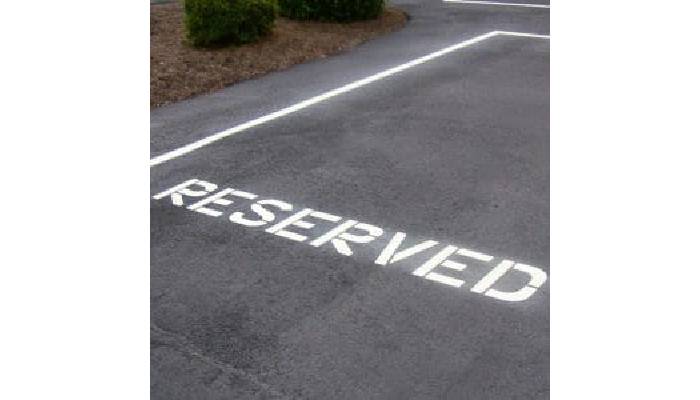
A well-marked parking lot or roadway looks professional, improves safety, and makes navigation easier for drivers and pedestrians. This guide explains how line striping machines work, the main types available, and what to consider when choosing and using them for your projects.
Line Striping Machines For Modern Parking Lots
Line striping machines are specialized tools designed to apply clean, consistent lines on asphalt and concrete surfaces such as parking lots, roadways, warehouses, and sports courts. They help ensure that markings are straight, uniform in width, and compliant with local regulations for parking spaces, fire lanes, and accessible stalls. For property owners and contractors, a reliable line striping setup can dramatically improve the curb appeal and functionality of any paved area.
These machines range from simple walk-behind models suited for small lots to more advanced ride-on or self-propelled units that handle large commercial spaces efficiently. Each type has different paint delivery systems, line width controls, and features like adjustable spray guns or laser guides to maintain precision over long distances. When planning a project, understanding which machine fits your scope and surface conditions prevents wasted time, uneven markings, and costly rework.
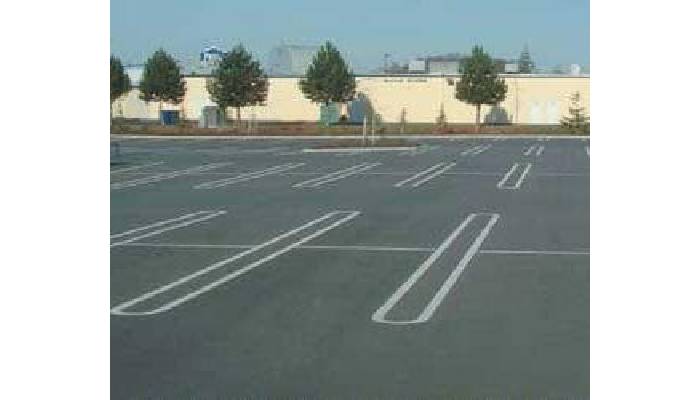
Line Striping Machines And Key Types?
Line striping machines come in several main categories, each designed around different project sizes, budgets, and performance expectations. Entry-level machines are often manual or push-style units that use aerosol cans or small paint reservoirs, making them a good fit for small business owners or facility managers who only need occasional touch-ups. These systems are relatively affordable, easy to store, and simple to operate, though they may be slower and less flexible for complex layouts or large parking lots.
On the other end of the spectrum are professional-grade airless spray machines that use powerful pumps to push paint through hoses to spray guns mounted on adjustable arms. These units can handle higher volumes of traffic-grade paint and produce sharp, durable lines at a much faster pace. Contractors often favor them because they can switch between different nozzle sizes, adjust line widths quickly, and add accessories like bead dispensers for reflective markings. Between these two extremes are mid-range models that blend ease of use with enough power and capacity to tackle medium-sized commercial properties without a massive investment.
Line Striping Machines In Daily Operations?
Line striping machines play a central role in routine maintenance and long-term planning for any property with paved surfaces. Over time, UV exposure, weather, snow removal, and vehicle traffic all cause lines to fade, making stalls harder to see and potentially increasing the risk of accidents or confusion. A dependable machine allows you or your contractor to schedule regular restriping, keeping the lot looking fresh and ensuring compliance with local codes for stall size, accessible spaces, and fire routes. Clear markings also help manage traffic flow, reduce bottlenecks at entry and exit points, and signal where pedestrians should walk.
For many facility managers, having an in-house line striping setup offers flexibility and cost control. Instead of hiring a contractor for every minor touch-up, staff can handle small corrections, repaint directional arrows, or refresh loading zones as needed. This is especially valuable for shopping centers, schools, hospitals, and industrial sites with changing needs or frequent layout adjustments. When combined with quality layout tools like chalk lines, measuring wheels, and parking lot stencils for arrows, numbers, and symbols, a good line striping machine becomes the foundation of an efficient, professional-looking pavement marking program.
Line Striping Machines And Essential Features?
When choosing between different line striping machines, it helps to focus on a few essential features that affect performance and results. First, consider the power and paint delivery system: airless spray machines offer strong, consistent pressure and work well with traffic-grade paints, while simpler aerosol or gravity-feed systems may be sufficient for lighter use. The capacity of the paint tank or compatibility with standard paint containers will determine how often you need to stop and refill, which can be a major factor on larger projects. A machine with adequate capacity keeps productivity high and reduces downtime.
Line Striping Machines And Best Practices For Use?
To get professional results from line striping machines, preparation is just as important as the equipment itself. Before any paint is applied, the pavement should be thoroughly cleaned and dried; remove loose debris, dust, and oil stains that can prevent paint from adhering properly. Any major cracks or potholes should be repaired, and old, conflicting markings may need to be removed or blacked out so they do not confuse drivers. Carefully planning the layout using measurements, string lines, or chalk marks ensures that stalls are evenly spaced and comply with local regulations and accessibility standards, which reduces the chance of rework.
During striping, maintain a steady walking or driving speed and keep the machine aligned with your guide marks to produce crisp, straight lines. It is often helpful to practice on a less visible area first to fine-tune line width, paint flow, and gun height. Avoid striping in extreme temperatures or when rain is imminent, since these conditions can affect drying time and adhesion. After the lines are applied, allow adequate curing time before opening the area to traffic. Regular inspections afterward help identify early signs of fading or damage, so you can schedule timely restriping and keep the pavement looking sharp and safe throughout the year.
Line Striping Machines And Safety Considerations?
Safety should always be a priority when operating line striping machines, both for the operator and for the people using the space. Many traffic paints contain chemicals that require proper ventilation and personal protective equipment such as gloves, eye protection, and respirators when recommended by the manufacturer. Always follow the paint and equipment manuals for safe handling, mixing, and cleanup procedures. If you are working in an active parking lot or near roadways, set up cones, barricades, or temporary signage to redirect vehicles and pedestrians away from the work zone, reducing the risk of accidents.
Conclusion
Choosing the right line striping machines and using them correctly can transform worn or confusing pavement into a clear, organized, and professional-looking space. Well-planned markings improve safety, guide drivers and pedestrians, and help businesses present a more welcoming, efficient environment. By understanding the main machine types, focusing on essential features, and following best practices for preparation, application, and maintenance, property owners and contractors can achieve long-lasting results. With the support of quality layout tools and stencils, each project becomes an opportunity to boost curb appeal, meet regulatory standards, and keep traffic flowing smoothly across every parking lot and paved area.