
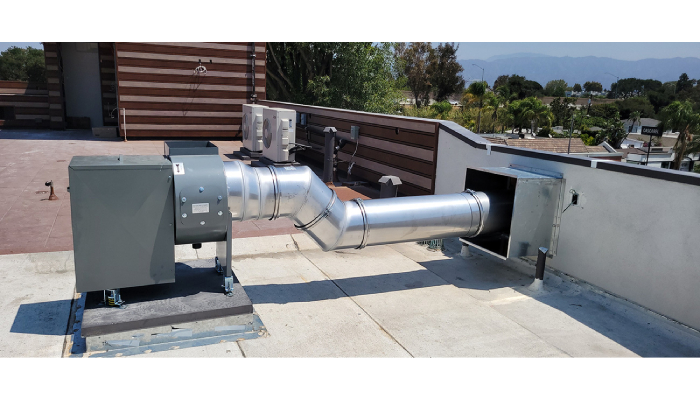
Training staff for basic hood cleaning in restaurants is essential for maintaining a safe and efficient kitchen environment. First, it’s crucial to emphasize the importance of hood cleaning for fire safety, health compliance, and operational efficiency. Staff should understand the components of the kitchen hood and learn essential maintenance tasks such as regularly wiping surfaces and inspecting filters. Safety protocols must be part of training to ensure proper use of personal protective equipment. Implementing hands-on training sessions with visual aids will enhance learning. Regular deep-cleaning schedules with professional services also support compliance with health standards while encouraging continuous learning through certifications can further improve skills.
1. Understanding the Basics of Hood Cleaning
Hood cleaning for restaurants play a critical role in any restaurant by removing smoke, heat, and grease from the air, ensuring a safe and comfortable cooking environment. To effectively train staff, it’s essential to understand the different types of hood systems: canopy hoods, wall-mounted hoods, and island hoods. Each type serves a unique function and is designed for specific kitchen layouts and cooking styles.
Recognizing the signs of a dirty hood is vital. If staff notice grease buildup, strange odors, or poor airflow, it’s time to schedule a cleaning. Depending on the kitchen’s volume of usage, cleaning may need to occur every month or even more frequently in high-traffic areas. Familiarity with local health and safety regulations is also imperative; these guidelines help restaurants stay compliant and avoid fines.
Understanding the components of the hood, such as filters, fans, and ducts, and how they work together to maintain air quality is crucial for effective cleaning. Staff should be aware that neglecting hood cleaning can lead to significant risks, including fire hazards and health issues for kitchen staff and patrons.
Additionally, proper disposal of waste materials is essential. Staff must learn how to safely dispose of the grease and contaminants removed during cleaning. Staying informed about industry updates ensures that your team is aware of the latest cleaning standards and equipment technology. Encourage discussions among team members about best practices and share experiences to deepen understanding and foster a culture of safety and cleanliness.
2. Key Equipment Staff Should Know
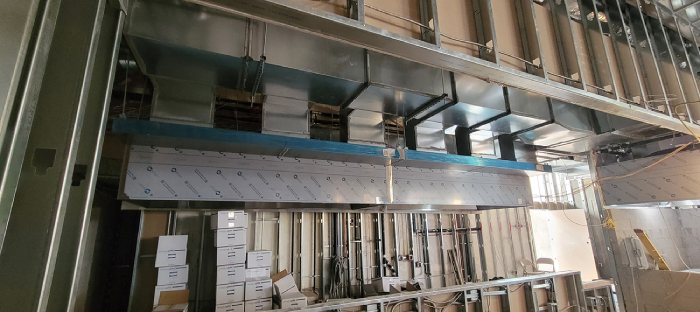
To ensure effective hood cleaning, staff should be well-versed in the essential equipment used in the process. Key cleaning tools include degreasers, scrapers, brushes, and personal protective equipment (PPE) like gloves and goggles, which are crucial for safety. Understanding how to use high-pressure washers is also important, as they can be powerful tools for deep cleaning, but they require proper training to handle safely.
Staff should familiarize themselves with different types of degreasers, knowing which products are suitable for specific surfaces and safe for food environments. Inspection tools like flashlights and mirrors are vital for checking hard-to-reach areas of the hood and ductwork, ensuring nothing is overlooked. Additionally, it’s essential to understand the role of fire suppression systems in relation to hood cleaning, as these systems help maintain safety by reducing fire risks.
Cleaning schedules play a big part in maintaining cleanliness; staff should have access to these schedules to ensure that tasks are completed on time. Familiarity with ventilation systems is also necessary, as proper ventilation affects overall kitchen airflow and safety. Other specific cleaning equipment includes vacuum systems for grease removal and steam cleaners for sanitizing surfaces.
Lastly, staff should know the basics of maintaining cleaning equipment to ensure longevity and effectiveness. Staying updated on new cleaning technologies and methods can significantly improve cleaning efficiency, making it essential for staff to regularly review advancements in equipment.
3. Essential Safety Practices for Cleaning
Safety is paramount when it comes to cleaning hoods in restaurants. First, personal protective equipment (PPE) such as gloves, goggles, and masks is essential. This gear protects staff from harmful chemicals and grease that can cause skin irritations or respiratory issues. Proper ventilation is another critical component; opening windows and using fans enhances airflow, ensuring that any harmful fumes dissipate quickly while staff work.
Before starting any cleaning tasks, it is vital to follow lockout/tagout procedures. This means ensuring all cooking equipment is turned off and clearly tagged to prevent accidental activation. Staff must also be vigilant about slip hazards; using mats and ensuring floors are dry can prevent dangerous falls during the cleaning process.
Training on safe lifting techniques is crucial, especially for moving heavy equipment or containers. Staff should learn to lift properly to avoid injuries that can result from improper technique. Additionally, keeping cleaning chemicals organized is important, labeling and storing them safely can help prevent accidents and ensure that everyone knows exactly what they are handling.
Having a well-stocked first aid kit on hand is a must. This kit should be easily accessible in case of any accidents during cleaning. Staff should also be trained on emergency procedures, including how to respond to fires, chemical spills, or injuries. Handling sharp objects, such as knives and scrapers, requires special attention. Training on how to do this safely can prevent cuts and other injuries.
Regular safety drills are beneficial as well. Practicing safety protocols helps ensure that every team member knows how to respond efficiently in emergencies, reinforcing a culture of safety in the workplace.
- Use personal protective equipment (PPE): Staff must wear gloves, goggles, and masks to protect themselves from chemicals and grease.
- Ensure proper ventilation during cleaning: Open windows and use fans to improve airflow while working.
- Follow lockout/tagout procedures: Ensure all cooking equipment is turned off and tagged before starting any cleaning tasks.
- Be aware of slip hazards: Use mats and ensure floors are dry to prevent slipping while cleaning.
- Practice safe lifting techniques: Train staff on how to lift heavy equipment or containers safely to avoid injury.
- Keep cleaning chemicals organized: Label and store all chemicals safely to avoid accidental misuse or contamination.
- Have a first aid kit on hand: Ensure a well-stocked first aid kit is accessible in case of accidents during cleaning.
- Train staff on emergency procedures: Know how to respond to fires, chemical spills, or injuries while cleaning.
- Provide training on handling sharp objects: Staff should learn to handle knives and scrapers safely to avoid cuts.
- Conduct regular safety drills: Practice safety protocols with the team to ensure everyone knows how to respond in emergencies.
4. Daily Maintenance Tasks for Staff
Creating a daily checklist is essential for your staff, helping them stay organized and focused on the necessary maintenance tasks. This list should include important duties like inspecting hoods for grease buildup, ensuring visible areas are cleaned every day to avoid bigger issues later on. It’s also crucial to clean light fixtures above cooking areas to maintain visibility and safety while working.
Dusting and wiping down surfaces around the hood and cooking areas should be a regular practice to prevent dust and grime from accumulating. Staff should check that exhaust fans are running smoothly, listening for any unusual noises that could indicate a problem. Inspecting filters is another vital task; they need to be checked daily for cleanliness and replaced or cleaned as necessary to keep everything running efficiently.
Monitoring airflow is equally important, as it shows whether the hood is effectively pulling air and smoke, indicating that it is functioning properly. Maintaining an inventory of cleaning supplies ensures that staff always have what they need to perform these daily tasks without interruption.
Encouraging staff to report any issues they notice fosters a culture of communication and accountability in the kitchen. Finally, celebrating small wins by recognizing and rewarding staff for their diligence in maintaining cleanliness can motivate them to continue their great work.
5. Weekly and Monthly Cleaning Routines
Establishing a consistent schedule for hood cleaning is vital in maintaining a safe and efficient kitchen. Start by setting aside specific times each week for deep cleaning of hoods and surrounding areas. This routine ensures that grease and grime do not accumulate, reducing the risk of fire hazards. Additionally, plan for a more extensive cleaning of ducts and exhaust fans every month. This monthly deep clean will help you catch any buildup in hard-to-reach areas, promoting better airflow and operational efficiency.
To keep the workload balanced, rotate cleaning responsibilities among team members. By assigning different staff members to lead cleaning sessions, you encourage teamwork and a sense of shared ownership in maintaining a clean kitchen environment. Document all cleaning activities to maintain accountability and ensure compliance with health regulations. Keeping detailed logs of completed tasks can be crucial during inspections, providing proof of your adherence to safety standards.
Monthly inspections are key, too. Train your staff to check accessible duct areas for any grease accumulation and address it as needed. Don’t forget to inspect exhaust fans for proper function and cleanliness, ensuring they remain free of grease that could impair their operation. Beyond in-house efforts, consider scheduling a professional deep clean at least once a year. Professional services have the expertise and equipment to handle complex cleaning tasks that your team may not be able to manage.
In addition, prepare your staff for specific cleaning duties that might arise during busy seasons or holidays. Encourage team discussions during meetings to share tips or improvements noted by team members. This collaborative approach not only enhances the cleaning routine but also fosters a culture of continuous improvement.
6. The Role of Professional Cleaning Services
Hiring professional cleaning services for hood cleaning in restaurants comes with numerous benefits that can significantly enhance kitchen safety and compliance. Professionals possess specialized equipment and expertise that allow them to perform thorough cleans, minimizing risks related to grease buildup and ensuring adherence to health regulations. It’s crucial for staff to recognize when a cleaning task exceeds their capabilities or requires advanced machinery, as this helps prevent accidents and ensures effective cleaning.
Moreover, professionals often hold necessary certifications and training that guarantee high-quality service. When considering a professional service, it’s wise to get quotes from multiple providers to compare their offerings and find the best fit for your restaurant’s needs. Regular assessments by these experts can help identify potential issues within your hood system before they escalate into major problems.
Clear communication about specific cleaning needs and expectations is essential to ensure satisfactory service. Documenting the services performed, including dates and outcomes, helps maintain compliance and provides a useful reference for future inspections. Additionally, allowing staff to observe professionals at work can provide valuable insights into effective cleaning techniques.
It’s also important to maintain a feedback loop with cleaning services, offering constructive feedback to ensure future services meet your expectations. Building relationships with local reputable cleaning companies can ensure quick access to assistance when necessary, promoting a cleaner, safer kitchen environment.
7. Importance of Documentation and Compliance
Documentation is a critical component of hood cleaning in restaurants, ensuring that all cleaning activities are recorded accurately. Keeping detailed logs of cleaning tasks, inspections, and maintenance promotes accountability among staff. Using a digital tracking system can streamline this process, allowing for easy logging of tasks and scheduling reminders for regular maintenance. It’s essential to document compliance with health regulations, maintaining records of adherence to local codes and inspections for quick reference.
Regular reviews of these documents are necessary to ensure accuracy and completeness, which helps in identifying any gaps in the cleaning processes. Training staff on proper documentation practices is vital, as it instills consistency and ownership in their responsibilities. Providing easy-to-use templates for logging activities not only simplifies the process but also encourages staff to embrace documentation as part of their daily routine.
This culture of accountability fosters a sense of pride in maintaining high cleanliness standards. Documentation also plays a key role in training; reviewing logs during training sessions can highlight best practices and pinpoint areas for improvement. Being prepared for audits is another significant aspect, as organized and accessible documentation facilitates a smooth response during health inspections. Recognizing and celebrating compliance achievements boosts team morale, reinforcing the importance of maintaining high standards for cleanliness and safety.
8. Effective Training Implementation Strategies
Effective training implementation strategies can transform how staff approach hood cleaning in restaurants. First, hands-on training is essential; conducting practical sessions where employees can practice cleaning techniques on actual equipment under supervision builds confidence and competence. Incorporating technology can also enhance the learning experience. Using videos and online resources provides visual examples of cleaning processes, making it easier for staff to understand the techniques. Additionally, developing a mentorship program is a great way to pair experienced staff with newer employees, allowing them to share knowledge and insights during the training process.
Regular refresher courses are key to keeping staff updated on best practices and new technologies. By scheduling these sessions, you ensure that your team remains knowledgeable and skilled. Implementing feedback loops allows you to collect insights from staff about the effectiveness of the training and areas that may need improvement. This process encourages team collaboration, fostering an environment where employees can learn from each other’s experiences.
Role-playing scenarios can be a fun and effective way to prepare staff for real-life challenges. By creating controlled situations where employees can practice responding to cleaning challenges or emergencies, you build their problem-solving skills. Establishing clear objectives for each training session is crucial, as it helps staff understand what is expected of them. Finally, measuring training outcomes is necessary; assessing knowledge and performance before and after training will provide insights into its impact. Celebrating training milestones, such as completing training programs or achieving certifications, can motivate staff and instill a sense of accomplishment.
9. Encouraging Certification and Continuous Learning
Encouraging staff to pursue certifications in hood cleaning is a great way to enhance their skills and knowledge. By promoting certification programs, you equip your team with the best practices and regulatory insights that are essential in this field. Providing resources for learning, such as access to training materials, online courses, and workshops, empowers your staff to take initiative in their professional development. Recognizing certified staff is equally important; when you publicly acknowledge employees who achieve these certifications, it boosts morale and inspires others to follow suit.
Creating a learning culture in your restaurant sets the stage for continuous improvement. Management should actively support this environment by offering incentives for certification, like bonuses or other rewards, which can motivate staff to engage in relevant training. Regular knowledge-sharing sessions can further foster this culture. Schedule meetings where staff present what they’ve learned from courses or workshops, allowing everyone to benefit from new insights.
Encouraging participation in industry events, such as conferences or trade shows, keeps your employees updated on the latest trends and techniques in hood cleaning. Additionally, maintain a library of resources, including books and articles related to hood cleaning, so staff can easily access valuable information. Setting aside time during work hours for learning demonstrates your commitment to their growth, making education a priority. Finally, management should lead by example; pursuing certifications and training themselves shows the importance of continuous learning and sets a standard for the entire team.