
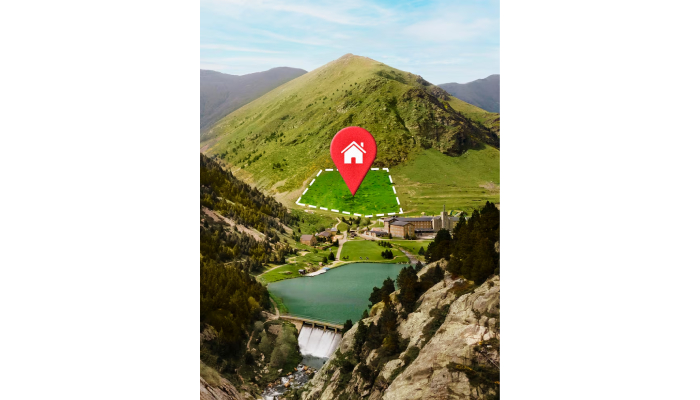
Buying land in Florida can be an exciting journey, especially for beginners ready to embark on this adventure. Start by determining your purpose for the land, be it building a dream home or investing for future gains. Next, research local zoning and land use regulations to ensure your plans align with what’s allowed. Evaluating the physical characteristics of the property is crucial too, look at its topography and any environmental risks like flood zones. Ensure access to utilities; rural properties may need additional investment in essentials. Conduct due diligence through title searches and surveys before securing financing options that suit you best. Finally, work with professionals during closing to navigate all costs involved smoothly. Happy land hunting.
1. Determine Your Purpose for the Land
Before diving into the exciting journey of buy land in Florida, it’s crucial to determine what you plan to do with it. Are you dreaming of building a primary residence, a cozy vacation home, or perhaps a rental property to generate some income? Each option has its own set of requirements and considerations.
If farming or raising livestock is on your mind, you’ll need to think about the specific needs that come with those activities, such as water access and soil quality. For those looking at land as an investment, consider whether you want to flip it for a quick profit or hold onto it for long-term growth.
Recreational uses are another fantastic avenue; whether it’s for camping, hunting, or off-roading, you’ll want to ensure the land has the right amenities to support your hobbies. Additionally, evaluate the location’s potential for future development or resale value, market trends can significantly impact your investment.
Personal goals and family interests play a huge role too. Maybe you envision a community garden that brings neighbors together, or a park where your kids can play. It’s also essential to align your choice with Florida’s climate, especially if you have specific agricultural plans. Reflect on how the land fits into your lifestyle, consider travel time to work or access to schools and shopping. Every detail matters in making your land ownership dreams come true!
- Decide if you want to build a primary residence, vacation home, or rental property.
- Consider agricultural activities like farming or livestock, and the specific needs they entail.
- Evaluate if you’re looking for investment opportunities, such as flipping or holding for future growth.
- Think about recreational uses like camping, hunting, or off-roading, and what amenities you need for those activities.
- Assess the potential for future development or resale value based on location and market trends.
- Identify any personal or family goals that may influence your land use decisions.
- Investigate community interests or needs that your land could fulfill, such as community gardens or parks.
- Consider the climate and how it aligns with your intended use, for example, growing certain crops or outdoor activities.
- Reflect on your lifestyle and how the land will fit into it, including travel time and access to resources.

2. Research Zoning and Land Use Regulations
Understanding zoning and land use regulations is crucial when buying land in Florida. Start by contacting local zoning offices or checking their websites to find out the zoning classifications for the land you’re interested in. This will help you determine if it’s designated for residential, agricultural, commercial, or industrial use. Each zoning type has specific rules that can significantly impact your plans. For instance, if you want to build a home, ensure the property is zoned as residential.
Additionally, investigate whether the land is in a conservation area or subject to special regulations that could restrict development. Local ordinances may also impose extra limitations on how you can use the land, so it’s essential to review those as well. Look into any planned developments in the area, as these can affect your property’s value and usability.
If you find zoning laws confusing, consider consulting a land use attorney who can clarify any complexities. Stay informed about upcoming zoning meetings or hearings that might impact your property, and research the history of zoning changes in the area to anticipate future developments. Utilizing online tools or services that track zoning changes and land use trends can also be incredibly beneficial. This thorough research will empower you to make informed decisions and invest wisely in your Florida land.
3. Evaluate the Property’s Physical Characteristics
Visiting the property is an exciting first step to truly understand its physical characteristics. Walk the land and take in its topography and natural features. Look for signs of erosion, flooding, or any environmental concerns that could affect your plans. Access points are vital; make sure they align with how you intend to use the land. Nearby roads and public transportation options can significantly impact convenience and accessibility.
Don’t forget to consider the natural resources around you, like rivers, lakes, or forests, as they may enhance the value of your land. Florida’s climate can be unpredictable, so assess potential risks like hurricanes or drought that could impact your property. It’s also wise to research local wildlife and plant life, as they can give insights into the ecosystem you will be part of.
Evaluating the soil type and drainage is crucial if you’re thinking about landscaping or agricultural use. A soil test can reveal its quality and suitability for your intended use. Lastly, take note of any existing structures on the property, checking their condition and whether they meet your needs.
4. Check Utilities and Infrastructure
When buying land in Florida, checking utilities and infrastructure is crucial. First, confirm if essential services like electricity, water, and sewage are available at the property. If you’re considering rural land, be prepared for the potential costs of installing a well or septic system, which can significantly impact your budget. Don’t forget to look into internet and phone service options, especially if you plan to work remotely, good connectivity can make all the difference.
Next, examine any existing infrastructure on the land, such as roads, fences, or equipment. This can save you time and money in the long run. If utilities are not currently available, check with local utility companies about connection fees and how long it might take to get everything set up. If you’re intrigued by renewable energy, Florida’s sunny climate makes solar panels a fantastic option to consider.
Lastly, keep an eye on local government plans for future infrastructure developments, as these can affect your land’s value and accessibility. Investigating any historical issues with utilities in the area, like outages or poor service, can also provide valuable insights. Making these checks can help ensure that your new land meets your needs and expectations.
5. Conduct Due Diligence
Conducting due diligence is a crucial step in buying land in Florida. Start by hiring a qualified real estate attorney who can help navigate the legal ins and outs of your purchase. They will ensure everything is in order and protect your interests. Next, obtain a title report to confirm the current ownership of the property and check for any liens or encumbrances that might complicate your plans. It’s also wise to request a boundary survey to accurately determine the property lines and identify any easements that could impact your use of the land.
Additionally, reviewing any previous property surveys can provide insight into the land’s usage history. Don’t forget to check public records for any pending assessments or tax liens that could affect your investment. Consulting local agencies is another smart move, as they can inform you about any required environmental assessments or regulations applicable to the property.
Investigate any historical land use that might pose challenges, such as previous zoning violations. If there are existing structures on the land, considering a home warranty can safeguard you against unexpected repairs. Lastly, look into the property’s market history to understand appreciation or depreciation trends, helping you make an informed decision about your investment.
6. Secure Financing
When it comes to securing financing for your land purchase in Florida, there are various options available to you. First, you might consider conventional loans or VA loans if you’re eligible, as these can provide favorable terms. It’s crucial to check your credit score and overall financial health, as these factors can significantly improve your loan terms. Don’t forget to research lenders who specialize in land financing, as they often have different requirements compared to traditional home loans.
Next, think about whether a fixed-rate or variable-rate loan aligns better with your financial strategy. Fixed-rate loans offer stability, while variable-rate loans may start with lower payments but can fluctuate over time. Be prepared for larger down payments, typically ranging from 20 to 30 percent for land purchases, so it’s wise to plan ahead.
Gathering necessary documentation like income statements, tax returns, and asset information will also streamline the process. This makes it easier for the lender to assess your financial situation. Evaluate your budget carefully, ensuring that the monthly payments fit comfortably within your overall financial plan.
If conventional loans seem out of reach, seller financing might be a viable alternative. In this scenario, the seller acts as the lender, allowing for more flexible terms. Regardless of the financing option you choose, make sure you fully understand the terms and conditions before making any commitments. This will help avoid surprises down the road and ensure a smoother transaction.
7. Close the Transaction
Closing the transaction is the exciting final step in your land-buying journey in Florida. Start by choosing a reputable title company to handle the closing process, ensuring everything goes smoothly. Before you sign any documents, carefully review every detail, especially the deed and settlement statement. This is your chance to catch any discrepancies or surprises. Make sure that any agreed-upon repairs or improvements are clearly documented in the contract; this will protect your interests.
On the day of closing, confirm that the final closing costs align with your initial estimates. Prepare to have the necessary funds ready for the down payment and other closing expenses. It’s crucial to verify that all required inspections and due diligence have been completed beforehand, as this will give you peace of mind about your purchase.
Consider investing in title insurance to safeguard against any future disputes regarding property ownership. Before you finalize the deal, schedule a final walk-through to ensure the property is in the expected condition. Lastly, understand the timeline for transferring utilities and any other post-closing steps to make your transition as seamless as possible. With these steps, you’ll be ready to close the deal confidently and step into your new land ownership adventure!
8. Working with Professionals
Navigating the land-buying process can be tricky, but working with professionals can make it smoother. Start by finding a real estate agent who specializes in land transactions. They can provide valuable insights and help with negotiations. If you’re unsure about the property’s value, consider hiring an appraiser to assess the fair market price before making an offer. A land use planner can help you evaluate potential uses and future developments for the property, ensuring it aligns with your goals.
If you want to know the exact boundaries of the land, engaging a surveyor is essential. They can accurately measure and define the property lines, which is crucial for avoiding disputes later on. If you have concerns about environmental conditions, an environmental consultant can assess risks related to the land, such as contamination or flooding.
Legal advice is also important; a real estate attorney can help you understand contracts and negotiations, protecting your interests throughout the process. To ensure a smooth closing, find a title company experienced in land sales. They can help clear any title issues and facilitate the closing process, which includes handling costs like title insurance and recording fees.
Networking with local builders or contractors can provide insights into development opportunities, helping you make informed decisions about your investment. Lastly, consider utilizing online platforms or community boards to connect with other land buyers. Sharing experiences can offer additional perspective and tips that can be invaluable as you move forward.
9. Consider Environmental Risks
When buying land in Florida, understanding environmental risks is crucial. Start by researching the property’s history for any past environmental issues, such as contamination or illegal dumping. Florida is prone to severe weather, so it’s essential to grasp local climate risks like hurricanes, flooding, and drought, and how they could impact your land’s usability. Investigate if the land falls within a flood zone, as this can significantly affect insurance costs and building regulations. It’s wise to consult with local environmental agencies to identify any protected species or habitats on the property, which could restrict your development plans. Additionally, assess nearby industrial activities that might pose environmental concerns, as they can affect air and water quality. Don’t forget to look into potential soil erosion or degradation issues that may impact your land’s agricultural or recreational uses. With climate change becoming a pressing concern, consider how it may affect the future value and usability of your land. Familiarize yourself with local regulations regarding environmental protections, as these may influence what you can and cannot do with your property. Lastly, exploring options for environmental assessments can help uncover hidden risks before you make a purchase, ensuring that your investment is sound and secure.