

Digital payments have transformed how we handle money, and the integration of credit cards with UPI technology is revolutionizing the financial landscape. This comprehensive guide explores everything you need to know about using credit cards through UPI, from benefits to practical applications.
Understanding the UPI Credit Card Integration
The payment ecosystem in India has witnessed remarkable growth with the introduction of credit card functionality through the Unified Payments Interface. This innovation allows users to link their credit cards directly to UPI Credit card apps, enabling seamless transactions at millions of merchant locations across the country. Unlike traditional payment methods, this system eliminates the need for physical cards or entering lengthy card details for every transaction. Users can now enjoy the convenience of instant payments while leveraging the credit benefits offered by their cards. The integration process is straightforward, requiring users to add their credit cards to their preferred UPI application. Once linked, these cards appear alongside regular bank accounts in the payment options. This technological advancement has made credit more accessible to millions of Indians who prefer digital payment methods. The system maintains the same security standards as traditional credit card transactions, with added layers of protection from UPI’s authentication mechanisms.
How UPI Credit Card Transactions Work?
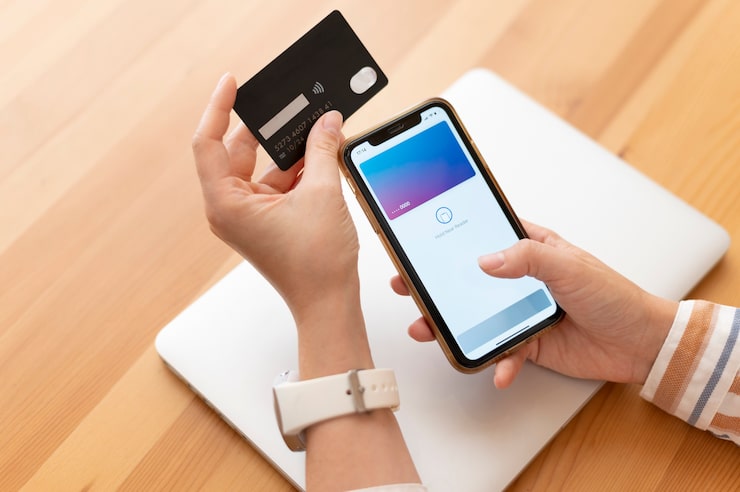
When you initiate a transaction using your UPI credit card, the process involves multiple steps to ensure security and accuracy. First, you select the credit card as your payment source within the UPI application. The app then communicates with the payment gateway to authenticate your request. You’ll need to enter your UPI PIN to authorize the transaction, adding an extra security layer. The amount is processed through the credit card network, and you receive instant confirmation of the transaction. This entire process typically takes just a few seconds, making it faster than traditional credit card swipe or chip-based transactions.
For those looking to maximize their digital payment experience, credit card UPI integration offers unmatched convenience and flexibility. The system supports both online and offline transactions, allowing you to use your credit through QR code scanning, peer-to-peer transfers, and bill payments. The transaction limits are determined by your credit card issuer and can vary based on your credit profile. Most banks allow daily transaction limits ranging from ₹1 lakh to ₹2 lakhs for UPI credit card payments. The system also maintains detailed transaction records, making it easier to track spending and manage finances effectively.
Key Benefits of Using Credit Cards with UPI
The convergence of credit cards and UPI brings numerous advantages to users seeking flexible payment solutions. First and foremost, it offers the convenience of carrying credit without the physical card, reducing the risk of loss or theft. Users can enjoy interest-free credit periods typically ranging from 20 to 50 days, depending on their card type and billing cycle. This feature allows for better cash flow management, as you can make purchases today and pay later without immediate debit from your bank account. The reward points and cashback offers associated with credit cards remain applicable when using UPI, enabling users to maximize benefits on everyday transactions. Many credit cards offer specific rewards for digital transactions, making UPI payments even more lucrative. The system also provides enhanced security through UPI’s multi-factor authentication, combining the safety of UPI PIN with credit card security protocols. Transaction disputes can be raised through both the UPI app and credit card customer service, providing multiple channels for problem resolution. Additionally, the detailed transaction history available in UPI apps helps users monitor spending patterns and stay within budget limits.
Setting Up Your Credit Card on UPI Platforms
Getting started with credit card payments through UPI requires a few simple steps that can be completed within minutes. Begin by ensuring your credit card is eligible for UPI integration, as not all cards support this feature yet. Download or open your preferred UPI application, such as Google Pay, PhonePe, Paytm, or your bank’s UPI app. Navigate to the payment methods section and select the option to add a new payment source. Choose credit card from the available options and enter your card details, including the 16-digit card number, expiry date, and CVV. The app will verify your card through an OTP sent to your registered mobile number. Once verified, you’ll need to set a UPI PIN specifically for this card, which will be required for future transactions. Some banks may require additional verification steps, such as answering security questions or confirming through net banking. After successful setup, your credit card will appear in the list of payment options whenever you make a UPI transaction. It’s important to keep your card active and ensure sufficient credit limit for smooth transactions. You can link multiple credit cards to a single UPI app, allowing flexibility in choosing payment sources based on ongoing offers or credit availability.
Security Features and Best Practices
Security is paramount when dealing with financial transactions, and the UPI credit card system incorporates multiple layers of protection. Every transaction requires authentication through your UPI PIN, which is known only to you and is never shared with merchants or stored on servers. The system uses end-to-end encryption to protect your card details and transaction data from unauthorized access. Banks and UPI apps continuously monitor transactions for suspicious activity, automatically flagging unusual patterns for verification. To enhance security, always download UPI apps from official app stores and avoid using public Wi-Fi for financial transactions. Set strong, unique UPI PINs that combine numbers in unpredictable patterns, and never share your PIN with anyone, including bank representatives. Regularly review your credit card statements and UPI transaction history to identify any unauthorized charges promptly. Enable transaction alerts on both your UPI app and credit card to receive instant notifications of all activities. If you suspect any fraudulent transaction, immediately contact your card issuer and UPI app support to block further access. For those seeking comprehensive travel guides and lifestyle tips, explore our travel section for valuable insights.
Conclusion
The integration of credit cards with UPI represents a significant leap forward in India’s digital payment journey. This technology combines the convenience of instant payments with the financial flexibility of credit, creating a powerful tool for modern consumers. As more banks and financial institutions embrace this innovation, users can expect even greater benefits, including expanded merchant acceptance, higher transaction limits, and enhanced reward programs. Whether you’re making everyday purchases, paying bills, or transferring money to friends, UPI credit cards offer a seamless and secure payment experience. By understanding how to use this technology effectively and following security best practices, you can maximize the benefits while protecting your financial information. As digital payments continue to evolve, staying informed about new features and opportunities will help you make the most of your credit card and UPI integration.