
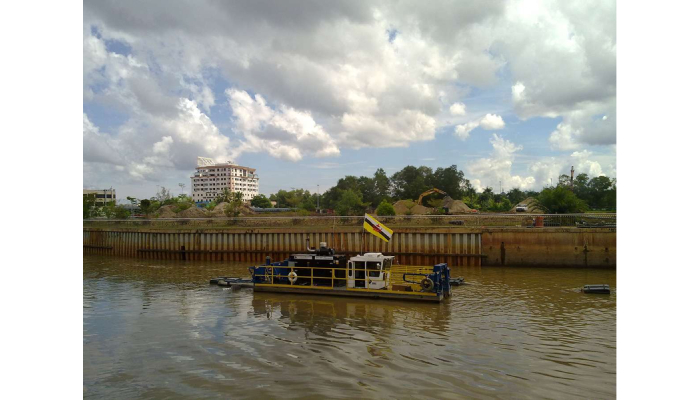
Dredging plays a crucial role in maintaining the health of our waterways by removing sediment and debris from rivers and lakes. The effectiveness of river dredging equipment hinges on several factors, including depth, material composition, pump power, and operator skills. Different dredgers cater to specific needs; for instance, cutter suction dredgers excel in tough materials while auger dredgers ensure minimal environmental impact. Modern technological advancements like GPS and automation enhance precision in operations. Moreover, addressing challenges such as environmental concerns and navigational constraints is essential for successful projects. Ultimately, selecting the right equipment and strategic planning are vital for efficient river dredging outcomes.
1. What Is River Dredging and Why Is It Done?
River Dredging equipment is an exciting process that involves using specialized equipment to remove sediment, debris, and other materials from riverbeds, lakes, and harbors. This essential activity aims to maintain or increase the depth of waterways, ensuring safe navigation for vessels and improving water quality. One of the primary reasons dredging is conducted is to facilitate navigation, especially in busy shipping lanes. Without regular dredging, sediment can build up, hindering the movement of boats and barges, which can lead to grounding or delays in transportation, impacting trade and commerce.
Flood management is another crucial aspect of dredging. By deepening river channels, dredging helps to increase water flow during heavy rainfall, reducing the risk of flooding in surrounding areas. This proactive approach can save communities from severe flood damage and costly repairs.
Moreover, dredging plays a vital role in restoring ecosystems. Contaminated sediments can be excavated and removed, allowing for the rehabilitation of aquatic habitats. This not only helps to improve biodiversity but also enhances water quality by reducing pollutants and allowing more sunlight to penetrate for aquatic plants to thrive.
In construction projects, dredging is often necessary to create solid foundations for bridges, piers, and other infrastructure. However, these projects require careful planning to comply with environmental regulations and ensure minimal impact on local ecosystems.
Sediment collected during dredging can also be repurposed for land reclamation, construction, or even habitat restoration, adding further value to the process. Each region may have unique dredging needs based on local conditions, making it essential to tailor approaches accordingly. Public awareness and education about dredging can foster community support for projects that might impact local waterways, highlighting the importance of this vital activity.
2. Types of Dredgers Used in River Projects
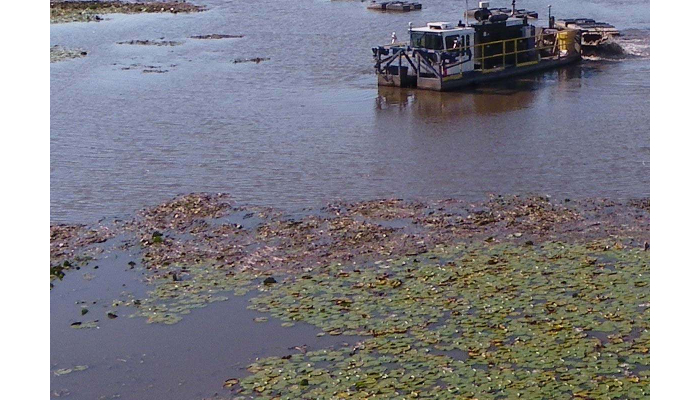
When it comes to river dredging, the type of dredger used can dramatically influence the effectiveness of the project. Cutter suction dredgers stand out for their versatility, equipped with a rotating cutter head that excels in tough materials, making them a go-to choice for various sediment types. On the other hand, trailing suction hopper dredgers thrive in deeper waters, making them ideal for larger rivers where bulk sediment removal is needed.
For high-volume extraction tasks, bucket ladder dredgers shine, utilizing a series of buckets on a chain to scoop up sediment efficiently. If precision is what you’re after, auger dredgers come equipped with a screw-like mechanism, allowing for careful sediment removal while minimizing disturbance to the surrounding areas. Hydraulic dredgers add another layer of flexibility, using powerful pumps to suction material directly from the riverbed, streamlining operations.
In urban settings or smaller waterways, dustpan dredgers are specially designed for shallow water conditions, ensuring effective sediment management without the need for deep-draft vessels. The rise of electric dredgers is exciting as well, as they offer an eco-friendly approach, significantly reducing emissions and noise during operations. For projects that prioritize environmental protection, specialized environmental dredgers are engineered to minimize impacts on sensitive aquatic ecosystems.
Dredgers come in various sizes and capacities, from small portable units for localized projects to large vessels capable of handling extensive dredging efforts. Some modern dredgers even incorporate advanced technology, such as remote sensing and automation, making operations more efficient and precise than ever before.
3. Factors That Impact Dredging Equipment Performance
The effectiveness of dredging equipment is influenced by several key factors that can either enhance or hinder its performance. One of the primary considerations is the type of sediment being dredged. For instance, clay, silt, and sand react differently to dredging processes, with clay often requiring more powerful machinery due to its density. Additionally, the depth of the water plays a critical role; deeper waters necessitate more robust and specialized dredging equipment to ensure efficient operation without compromising safety.
Weather conditions also significantly impact dredging operations. High winds and heavy rains can lead to operational delays and safety concerns, making it essential for teams to plan accordingly. Furthermore, the maintenance of dredging machinery cannot be overlooked. Well-maintained equipment not only performs better but also reduces the risk of unexpected breakdowns, which can derail projects.
Another important factor is the hydraulic efficiency of the equipment. The design of pumps and the flow rates must be carefully balanced to optimize sediment transport. Operator experience is equally crucial; skilled operators can adapt to various conditions and challenges, enhancing overall productivity. Moreover, the layout of the dredging site, including its accessibility and configuration, can affect how equipment is deployed and utilized.
Legal and environmental regulations are also significant, as they dictate operational parameters and can impact equipment choices. Training and safety protocols for operators are essential for reducing risks on the job site, ensuring that operations run smoothly. Finally, collaboration with engineers and environmental experts can lead to optimized dredging strategies, further enhancing performance.
4. Common Challenges in River Dredging Operations
River dredging is an essential process, yet it comes with a unique set of challenges that can complicate operations. One significant hurdle is navigating stringent environmental regulations. Before dredging begins, extensive planning and assessments are necessary, which can lead to delays as teams strive to ensure compliance with laws designed to protect aquatic life and habitats.
Unexpected underwater obstacles, such as rocks or debris, can also pose problems. These surprise elements may require additional equipment or changes in strategy, adding complexity to the operation. Furthermore, community opposition can arise due to concerns about the potential environmental impacts or disruption to local ecosystems, making effective communication strategies vital to address these worries and build trust with local residents.
Managing sediment disposal is another critical aspect. Finding appropriate sites for deposition can be a logistical challenge, impacting project timelines and budgets. Weather conditions can be unpredictable, leading to interruptions that necessitate contingency plans to keep everything on track. Budget constraints often limit the scope of dredging projects, forcing teams to prioritize certain areas or techniques over others, which can compromise overall effectiveness.
The variability in sediment composition along riverbanks means that dredging operations must be adaptable. Different materials require different methods and equipment to handle them efficiently. Additionally, maintaining equipment in harsh river environments can be challenging, and any downtime can significantly affect project completion times. Continuous monitoring of water quality during dredging operations is essential to minimize impacts on aquatic life and ensure compliance with environmental standards.
Lastly, coordination among various stakeholders, including local authorities and environmental groups, is crucial. Navigating potential conflicts and ensuring project success relies heavily on effective collaboration and communication, making this aspect just as important as the technical challenges faced during dredging.
5. Innovations Shaping the Future of Dredging
Innovations are revolutionizing river dredging, making it more efficient and environmentally friendly. GPS technology plays a vital role by enhancing precision in dredging operations, allowing teams to accurately map and track dredged areas. This accuracy is further supported by advanced sonar systems that provide real-time data about underwater conditions, enabling operators to make informed decisions on the fly. Automation is another game-changer, reducing human error and increasing efficiency, which allows for longer operational hours without the fatigue that can come with manual labor.
Eco-friendly dredging technologies are also on the rise, focusing on minimizing sediment disturbance and protecting aquatic habitats during operations. For example, hydraulic dredges can significantly reduce turbidity, helping to maintain the ecological balance in river systems. Additionally, the development of advanced materials for dredging equipment enhances durability and reduces maintenance needs, translating into cost savings over time.
Innovative planning tools like 3D modeling and simulations are being employed to visualize outcomes and optimize strategies before mobilization. This proactive approach helps teams anticipate challenges and improve efficiency. Remote monitoring systems allow for ongoing tracking of equipment performance and environmental conditions, enhancing responsiveness to any issues that may arise.
Investments in research and development continue to lead to new techniques in dredging that prioritize sustainability and efficiency. Data analytics is increasingly utilized to analyze dredging performance, identifying areas for improvement and making projects more streamlined. Collaboration between technology companies and dredging contractors is also fostering the development of new tools and methods, enhancing operational capabilities and pushing the industry towards a more innovative future.
- GPS technology enhances the precision of dredging operations, allowing for accurate mapping and tracking of dredged areas.
- Sonar systems provide real-time data about underwater conditions, helping operators make informed decisions during dredging.
- Automation in dredging equipment reduces human error and increases efficiency, allowing for longer operational hours without fatigue.
- Eco-friendly dredging technologies aim to minimize sediment disturbance and protect aquatic habitats during operations.
- Advanced materials for dredging equipment are being developed to enhance durability and reduce maintenance needs, translating into cost savings.
- 3D modeling and simulations are used in planning dredging projects, helping teams visualize outcomes and optimize strategies before mobilization.
- Remote monitoring systems allow for tracking equipment performance and environmental conditions from afar, improving responsiveness to issues.
- Investments in research and development are leading to innovations in dredging techniques that prioritize sustainability and efficiency.
- Data analytics is being utilized to analyze dredging performance and identify areas for improvement, making projects more streamlined and effective.
- Collaboration between technology companies and dredging contractors is fostering the development of new tools and methods that enhance operational capabilities.
6. Best Practices for Successful Dredging Projects
Successful river dredging projects hinge on several best practices that ensure efficiency and environmental stewardship. First, conducting comprehensive environmental impact assessments before starting any project is crucial. This not only ensures compliance with regulations but also minimizes potential harm to local ecosystems. Engaging with local communities and stakeholders fosters support, addressing concerns and building trust around dredging activities. Additionally, developing clear project plans that outline timelines, budgets, and contingencies helps keep operations on track, avoiding costly delays.
Selecting the right dredging equipment tailored to specific site conditions and project goals is vital for maximizing effectiveness. For instance, using a cutter suction dredger for hard materials can significantly enhance operational efficiency. Implementing rigorous safety protocols for operators is equally important, creating a safe working environment and reducing the risk of accidents. Regular training sessions for crew members can further enhance their skills and knowledge, leading to better performance during dredging tasks.
Monitoring water quality before, during, and after dredging operations allows for the identification of any adverse effects, enabling timely interventions. Utilizing efficient sediment disposal methods, such as beneficial reuse, not only minimizes environmental impact but can also contribute to community projects. Establishing a feedback loop with operators and stakeholders helps identify issues and opportunities for improvement throughout the project. Finally, documenting best practices and lessons learned from each project can inform future efforts, leading to continuous improvement in dredging practices.
7. Key Takeaways for Effective River Dredging
Understanding the specific goals of dredging projects is essential for selecting the right methods and equipment tailored to each unique situation. Effective communication with all stakeholders, including regulatory agencies and local communities, is crucial for achieving project success and gaining public support. Adapting to changing conditions, like varying sediment types and evolving environmental regulations, requires flexibility and innovative thinking. Investing in technology and training can significantly enhance dredging outcomes, leading to more efficient and environmentally friendly operations. Regular assessments and monitoring play a vital role in identifying potential issues early, ensuring projects stay on track and meet regulatory standards. Collaboration among engineers, operators, and environmental experts fosters a holistic approach to dredging, optimizing results. Emphasizing sustainability and minimizing ecological disturbance in dredging practices can lead to healthier waterways and communities. Documenting and sharing experiences and best practices build knowledge within the industry and promote continuous improvement. Understanding local ecosystems and sediment dynamics is vital for making informed decisions and achieving project objectives. Ultimately, successful dredging hinges on thorough planning, skilled execution, and a commitment to environmental stewardship.