
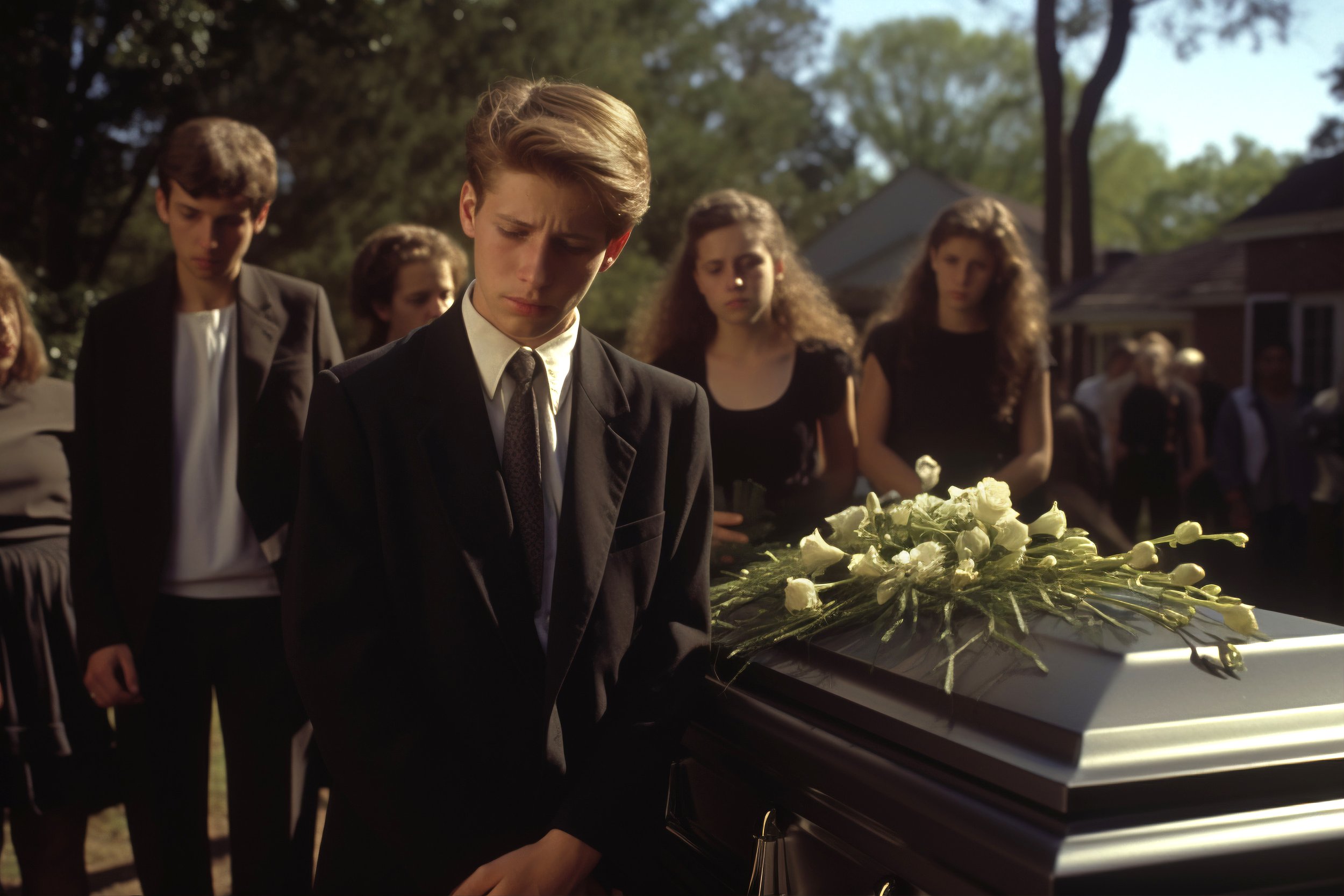
Understanding the concept of eco-friendly funeral options has become increasingly important for those seeking sustainable ways to honor their loved ones. Human composting in Southern California represents one of the most innovative and environmentally conscious choices available today. This comprehensive guide explores everything you need to know about this transformative approach to end-of-life care.
Human Composting Southern California: Understanding the Basics
Human composting, also known as natural organic reduction, has revolutionized the funeral industry across Southern California and beyond. This process transforms human remains into nutrient-rich soil that can be used to nourish plants, gardens, and ecosystems. Unlike traditional burial or cremation methods, human composting offers a completely natural and environmentally responsible alternative that aligns with modern ecological values.
The process of human composting southern california begins when a deceased person’s body is placed in a specialized vessel with organic materials such as wood chips, alfalfa, and straw. These materials create the ideal conditions for rapid decomposition through a natural biological process. Within approximately four to six weeks, the body is naturally transformed into approximately one cubic yard of nutrient-rich soil. This remarkable transformation has captured the attention of environmentally conscious families throughout Southern California who want to leave a positive legacy for future generations.
The legality of human composting in Southern California was established in 2027, making it a fully accessible option for residents. This legislative milestone represented a significant shift in how society views death and environmental responsibility. Families can now choose this method with confidence, knowing that their decision supports sustainable land management and environmental conservation. The accessibility of this service has grown substantially, with more funeral homes and dedicated facilities offering human composting throughout the region.
Human Composting Southern California: How the Process Works
The procedure for human composting in Southern California follows a carefully regulated and respectful protocol designed to honor the deceased while protecting the environment. When a family chooses this option, their loved one is transported to a specialized facility equipped with state-of-the-art composting vessels. These vessels are specifically designed to facilitate the natural decomposition process in a controlled, sanitary environment that meets all regulatory requirements.
Facility staff carefully prepare the body by placing it in a vessel along with a mixture of organic materials including wood chips, alfalfa, clover, and straw. These materials are selected for their proven ability to accelerate natural decomposition while creating a rich compost medium. The vessel is then kept at a consistent temperature and moisture level, with gentle aeration provided regularly to optimize the decomposition process. Throughout the four to six week transformation period, family members can be assured that their loved one is being treated with the utmost dignity and respect.
The final product of human composting is truly remarkable. What was once a human body has been transformed into approximately one cubic yard of fragrant, dark, nutrient-rich soil. This soil can be distributed in numerous meaningful ways: families can use it to plant a tree in their garden, donate it to local environmental restoration projects, or contribute it to natural burial grounds. Some families scatter the soil in meaningful locations, while others prefer to keep it in their home garden where they can watch their loved ones nourish new life year after year.
The Environmental and Ecological Benefits of Human Composting
Choosing human composting in Southern California represents a profound commitment to environmental stewardship and sustainability. The environmental impact of traditional funeral practices cannot be overstated: conventional burial consumes valuable land resources, uses embalming chemicals that may contaminate soil and groundwater, and requires the felling of trees for caskets. Cremation, while more space-efficient, consumes significant energy and releases carbon emissions into the atmosphere, contributing to our carbon footprint and climate change concerns.
Human composting stands in stark contrast to these conventional methods. This process produces zero emissions, requires minimal energy input compared to cremation, and actually contributes positively to soil health and environmental restoration. The nutrient-rich soil produced through human composting can revitalize depleted soil, support plant growth, and help restore damaged ecosystems throughout Southern California. Communities that embrace human composting are making a tangible difference in the fight against environmental degradation.
The soil produced through human composting is rich in nitrogen, phosphorus, and potassium—essential nutrients for plant growth and ecosystem health. When families use this soil to plant memorial trees or support environmental restoration projects, they create lasting legacies that benefit the planet for generations to come. This practice aligns perfectly with the values of environmentally conscious Californians who wish to leave the world a better place. The cumulative impact of widespread human composting adoption could significantly reduce the environmental burden of traditional funeral practices across Southern California.
The Emotional and Spiritual Significance of Returning to Nature
Beyond the practical and environmental considerations, human composting in Southern California carries profound emotional and spiritual meaning for many families. The concept of returning loved ones to the natural cycle of life, rather than preserving them through chemicals and burial, resonates deeply with people seeking meaningful ways to process grief. This practice acknowledges the fundamental truth that we are part of nature and should return to it in the most natural way possible when our time comes.
Many families find comfort in the knowledge that their loved one continues to nourish life and nature. Watching a memorial tree grow from the nutrient-rich soil derived from their relative creates a beautiful, living tribute that evolves throughout the years. Children and grandchildren can visit the tree, watch it mature, and reflect on their connection to the deceased in a way that feels alive and continuously present. This transforms the grieving process into something more positive and forward-looking, where life emerges from loss.
The symbolic significance of human composting also appeals to those with specific spiritual or philosophical beliefs about natural cycles, returning to earth, and the interconnection of all living things. Many people view this practice as a beautiful expression of their values and beliefs about death, nature, and legacy. The opportunity to have a direct, tangible positive impact on the environment through their funeral arrangements provides profound comfort and meaning to those who choose this path for themselves or their loved ones.
Practical Considerations and Planning for Human Composting
For families in Southern California considering human composting, understanding the practical aspects is essential. The cost of human composting typically ranges from $3,000 to $7,000, which is generally comparable to or more affordable than traditional burial or cremation services. This pricing includes the composting process itself, use of the specialized facility, preparation of the remains, and assistance with distributing the resulting soil to family members or designated locations.
Planning ahead for human composting is an important part of end-of-life arrangements. Many families choose to discuss their preferences with relatives while they are still healthy, ensuring that their wishes are clearly understood and respected. Some people include specific instructions in their wills or advance directives about their preference for human composting. Creating these clear instructions prevents confusion and ensures that families can honor their loved one’s preferences during an emotionally difficult time.
When selecting a facility for human composting in Southern California, families should consider factors such as the facility’s experience, certifications, location, and their approach to the process. Reputable facilities maintain the highest standards of hygiene, regulatory compliance, and respectful treatment of the deceased. They should be able to clearly explain the process, answer questions about the environmental benefits, and discuss various options for distributing the resulting soil. Taking time to research and select the right facility ensures that families feel confident in their decision and receive excellent service during their time of need.
Conclusion
Human composting in Southern California represents a meaningful evolution in how we approach death and honor our loved ones. By choosing this environmentally responsible option, families contribute positively to ecological restoration while creating lasting living tributes that continue to benefit the earth. As more people recognize the environmental and emotional benefits of human composting, this practice will likely become an increasingly popular choice for environmentally conscious families throughout the region and beyond. Whether driven by environmental values, spiritual beliefs, or simply the desire for a more natural approach to end-of-life care, human composting offers a beautiful and sustainable way to return to nature.