
Planning a trip often focuses on flights, accommodations, and itineraries, and the condition of your home plays a major role in how relaxing that trip feels. Leaving a property unattended without preparation can invite issues that turn a pleasant return into a stressful one.
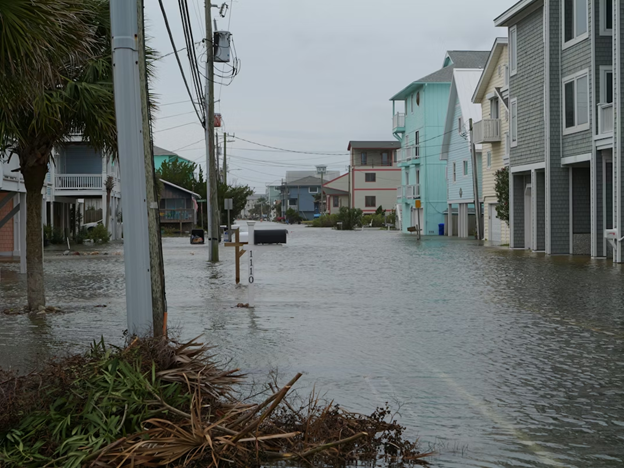
Water leaks, storm damage, and unnoticed wear tend to worsen when no one is home to catch them early. A practical pre-travel maintenance routine helps protect your home and your peace of mind.
Pre-travel home maintenance is not about tackling major renovations right before departure. It focuses on inspections, small fixes, and preventative steps that reduce risk during your absence.
Inspect the Roof and Exterior Surfaces
The exterior of your home faces constant exposure to weather, making it a priority before extended travel. Roofing materials, flashing, siding, and trim should be checked for visible damage.
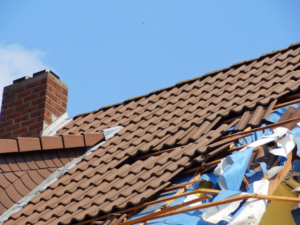
Loose shingles, cracked sealant, or worn edges can allow water to enter during storms. During this inspection, many homeowners choose to consult a North Carolina roofing company, or one in their area, when recent storms or aging materials raise concerns. Professional input helps confirm whether the roof can remain reliable throughout your absence.
Addressing minor exterior issues before leaving reduces the chance of interior damage developing unseen.
Clear Gutters and Check Drainage
Gutters and downspouts play a critical role in directing water away from the home. Debris buildup can cause overflow, sending water toward siding, foundations, or basements. Clearing gutters before travel helps maintain proper drainage during rainfall.
Downspouts should extend far enough from the home to prevent pooling near the foundation. Checking that splash blocks or extensions are positioned correctly adds another layer of protection when you are away.
Secure Windows, Doors, and Entry Points
Windows and doors should be sealed tightly to keep out water, drafts, and pests. Worn weather stripping, loose frames, or cracked caulking create vulnerabilities that worsen with weather changes.
Addressing these details supports interior comfort and reduces exposure risks. Garage doors are often overlooked and represent a large exterior opening.
Confirming that seals are intact and openers function correctly helps limit access and weather exposure during extended absences.
Prepare Plumbing and Water Systems
Water-related problems can cause significant damage when left unnoticed. Leaking pipes, appliance hoses, or valves may drip slowly, causing extensive harm over time. Shutting off the main water supply is often the safest option for longer trips.
If water cannot be fully shut off, inspecting visible plumbing connections helps reduce risk. Washing machine hoses, under-sink pipes, and water heater connections deserve close attention before departure.
Adjust Interior Settings for Stability
Interior preparation focuses on maintaining stable conditions rather than comfort. Thermostats should be set to moderate temperatures to protect plumbing and limit humidity buildup. Smart thermostats allow remote adjustments if weather conditions change unexpectedly.
Unplugging nonessential electronics reduces the risk of electrical issues and lowers energy use. Refrigerators should be cleared of perishable items, and interior drains can be flushed briefly to reduce odors during extended absence.
Manage Landscaping and Outdoor Features
Landscaping near the home can influence the exterior condition, and you are away. Overgrown branches may break during storms, and dense plants can trap water against siding. Trimming trees and shrubs helps limit these risks.
Irrigation systems should be checked for leaks or scheduling errors. A malfunctioning sprinkler can oversaturate soil near the foundation, leading to water problems that develop quickly.
Arrange for Periodic Property Checks
Even with careful preparation, having someone check on your home provides added reassurance. A trusted neighbor, friend, or property service can look for visible issues such as storm damage, leaks, or power outages.
These visits do not need to be frequent to be helpful. Occasional walkthroughs allow early detection of problems that could worsen if left unattended.
Use Technology for Remote Awareness
Smart home technology offers helpful monitoring tools during travel. Leak detectors, cameras, and motion sensors can alert homeowners to unusual activity or environmental changes. These systems allow quick responses rather than delayed discoveries.
Remote monitoring supports awareness, though it works best alongside physical inspections. Technology adds convenience and peace of mind when travel takes you far from home.
Pre-Travel Tasks That Offer the Most Protection
Focusing on a few high-impact tasks before departure often provides the greatest benefit:
- Inspecting roofing, siding, and exterior seals
- Clearing gutters and confirming drainage paths
- Managing water supply and plumbing risks
- Securing entry points and adjusting interior settings
These steps address common sources of damage during unattended periods.
Insurance and Documentation Readiness
Reviewing insurance coverage before travel helps clarify protection during extended absences. Some policies include specific conditions related to vacancy or water damage. Understanding these details supports better preparation.
Keeping updated photos and records of your home stored digitally allows quick access if issues arise. Documentation supports smoother claims and faster resolution if repairs become necessary.
A worry-free trip begins with knowing your home is prepared. Pre-travel maintenance focuses on prevention, stability, and early risk reduction rather than last-minute fixes. Addressing key exterior and interior areas before departure limits surprises and costly repairs.
With thoughtful preparation in place, travel becomes more enjoyable. Returning to a home that remains safe and well-maintained reinforces the value of proactive care long before the suitcase is packed.