
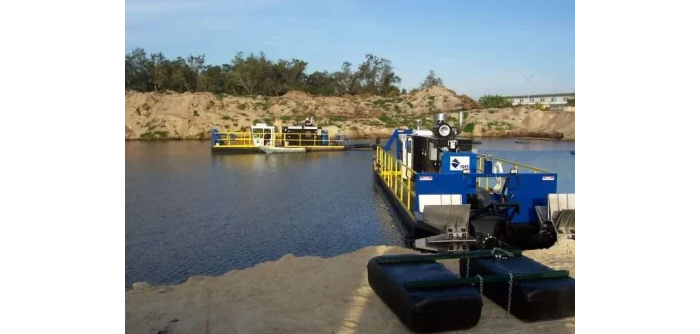
Maintaining sand dredging equipment is essential for maximizing efficiency and ensuring a long operational life. Regular upkeep not only reduces costs associated with repairs and downtime but also enhances overall productivity. Operators face challenges like abrasive sand, which can wear down pumps, and corrosive environments that lead to rust. To keep your equipment in tip-top shape, perform pre-operation inspections focused on leaks and moving part lubrication. Flushing systems with clean water will help prevent clogs, while using marine-grade lubricants minimizes friction wear. Training operators is crucial; they should know how to detect early issues and avoid overloading problems that lead to mechanical failures.
1. Understanding the Role of Regular Maintenance
Regular maintenance checks are vital for the reliability of sand dredging equipment, ensuring it operates under optimal conditions. By establishing a maintenance schedule, teams can effectively plan for downtime and allocate resources, minimizing disruptions in operations. Documenting all maintenance activities creates a valuable history that aids in troubleshooting future issues. Engaging experienced technicians for periodic audits not only brings expertise but also offers insights into potential improvements that can be made.
Utilizing maintenance software streamlines scheduling and record-keeping, enhancing overall efficiency and organization. Safety is another critical aspect; regular maintenance helps identify and mitigate potential hazards before they escalate into serious issues, thus protecting both equipment and crew members. Incorporating feedback from operators can refine maintenance practices, tailoring them to specific equipment usage.
Moreover, fostering a culture of care and responsibility among the crew is essential. Routine maintenance promotes teamwork and diligence, ensuring that everyone plays a role in the upkeep of the equipment. Evaluating the effectiveness of maintenance practices allows for adjustments, leading to better outcomes over time. Finally, regular maintenance not only enhances performance but can also improve the resale value of equipment, making it a wise investment for the future.
2. Overcoming Common Maintenance Challenges
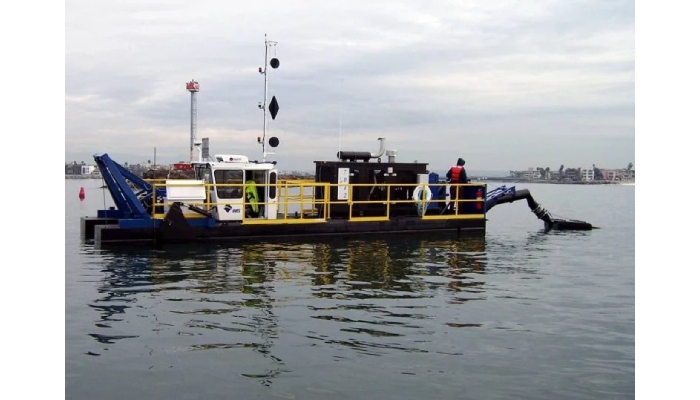
Maintaining sand dredging equipment can be challenging, but there are effective ways to overcome these hurdles. First, creating a checklist for common issues can streamline inspections and ensure nothing slips through the cracks. By identifying frequent problems, your team can focus on preventive measures. Investing in high-quality components is another smart strategy, as it reduces the need for repairs and maintenance over time.
Utilizing technology, like sensors and monitoring systems, allows you to detect issues before they escalate into significant problems, keeping your operations running smoothly. Scheduling maintenance during off-peak hours minimizes disruptions, ensuring productivity remains high. Training staff to recognize early signs of wear can lead to quicker responses, which means less downtime and more operational efficiency.
Establishing a parts inventory ensures that crucial components are on hand when needed, reducing wait times for repairs. Collaborating with manufacturers for training and support provides valuable resources to tackle challenges effectively. Regular communication among crew members can help identify persistent issues and brainstorm solutions together, fostering a proactive maintenance culture.
Implementing a rewards program for maintenance success can motivate the team to adhere to best practices and maintain a high standard of care for the equipment. Finally, adopting flexible maintenance plans allows you to adapt to changing conditions and equipment performance, ensuring your dredging operations remain efficient and effective.
- Creating a checklist for common issues can help streamline the inspection process and ensure nothing is overlooked.
- Investing in high-quality components can reduce the frequency of repairs and maintenance needs.
- Utilizing technology, like sensors and monitoring systems, can help detect issues before they escalate into major problems.
- Scheduling maintenance during off-peak hours can minimize disruptions to dredging operations.
- Training staff to recognize early signs of wear can lead to quicker responses and less downtime.
- Establishing a parts inventory can ensure that crucial components are available when needed, reducing wait times.
- Collaborating with manufacturers for training and support can provide valuable resources for overcoming challenges.
- Regular communication among crew members can help identify persistent issues and brainstorm solutions together.
- Implementing a rewards program for maintenance success can motivate the team to adhere to best practices.
3. Essential Routine Maintenance Practices
Setting a daily checklist for operators can greatly enhance accountability. This checklist should cover crucial checks like inspecting for leaks, wear, and the overall structural integrity of components. Additionally, conducting weekly and monthly inspections helps catch issues that may not be apparent during daily checks, ensuring that any potential problems are identified before they escalate. Creating a maintenance logbook is another vital practice, allowing for tracking of all maintenance activities for accountability and transparency.
Using a maintenance management system can streamline the scheduling and tracking of these routine practices effectively. This system can send reminders for upcoming checks and maintenance tasks, keeping everyone on the same page. Promoting a culture of cleanliness ensures that equipment and workspaces remain free from debris, which could hinder operations and lead to costly downtime.
Regular calibration of equipment is essential for maintaining accuracy and efficiency in dredging operations. Establishing a feedback loop for operators to report maintenance issues is invaluable, as it helps enhance overall equipment health. Combining visual inspections with performance metrics provides a comprehensive view of equipment status, allowing for timely interventions when necessary. Encouraging team members to take ownership fosters pride and diligence in maintenance practices, ultimately leading to better equipment reliability.
Lastly, incorporating environmental considerations into maintenance practices not only enhances sustainability but also ensures compliance with regulations, making it a win-win for efficiency and responsibility.
4. Importance of Lubrication and Hydraulic Checks
Creating a lubrication schedule is vital for ensuring that all moving parts in sand dredging equipment receive timely service. By using the correct type of lubricant for each component, operators can minimize wear and enhance performance, driving efficiency. Regularly checking hydraulic fluid levels is equally important, as it helps prevent issues related to pressure loss and overheating, which can lead to severe equipment failure. Implementing a contamination control program keeps hydraulic systems clean, allowing them to function optimally. Training operators to recognize the signs of inadequate lubrication can help catch issues before they escalate into costly repairs. Visual indicators or sensors that monitor lubrication levels in real time can significantly improve responsiveness to maintenance needs. Additionally, inspecting hydraulic hoses for wear and leaks is essential, as this prevents costly breakdowns and ensures safety during operations. Documenting lubrication activities maintains a clear service history, making future maintenance easier and more organized. Establishing a best practices guide for lubrication standardizes procedures across the team, ensuring everyone is on the same page. Encouraging operators to participate in lubrication checks fosters a sense of responsibility and teamwork, ultimately creating a more efficient and proactive maintenance culture.
5. Maintaining Pumps and Cutter Heads Effectively
Effective maintenance of pumps and cutter heads is essential for optimal performance in sand dredging operations. Developing a routine inspection schedule can help catch wear and tear early, ultimately reducing repair costs. A standardized checklist during inspections ensures that no detail goes overlooked, allowing for thorough evaluations. Additionally, implementing a sharpening schedule for cutter heads keeps them effective and efficient, which in turn reduces the wear on the entire dredging system.
Proper alignment of pumps is another critical aspect, as it prevents unnecessary wear and enhances performance. Training operators to identify issues during dredging is invaluable; their keen observations can lead to quicker repairs and less downtime. Using high-quality replacement parts significantly enhances the durability and efficiency of both pumps and cutter heads.
Regular cleaning of these components is vital to prevent clogs and maintain optimal flow rates. Establishing a wear monitoring system can help track the lifespan of components, allowing for proactive scheduling of replacements. Encouraging operators to report any performance changes can lead to the early detection of potential issues, making it easier to address them before they escalate. Lastly, working closely with manufacturers to follow best practices can further enhance maintenance strategies, ensuring that pumps and cutter heads operate at peak efficiency.
6. Implementing Corrosion Control Measures
Corrosion can be a silent killer for sand dredging equipment, especially in harsh environments. To combat this, applying protective coatings on metal surfaces is a game-changer, significantly extending the lifespan of equipment exposed to moisture and chemicals. Regular inspections for signs of corrosion should become a routine task; catching these issues early allows for prompt repairs and prevents further damage. In saltwater settings, using sacrificial anodes is crucial, as they protect critical components from rusting. Proper storage practices are also vital; keeping equipment covered and dry can greatly reduce corrosion risks. Additionally, regularly cleaning equipment to remove salt and debris is essential in preventing corrosion from taking hold. Educating your team through training sessions on corrosion awareness empowers everyone to understand its impacts, further enhancing your maintenance strategy. When building new equipment, opting for corrosion-resistant materials can minimize future maintenance needs. Monitoring environmental conditions, such as humidity and salinity, helps anticipate corrosion risks effectively. Establishing a corrosion tracking program allows you to document and manage corrosion issues over time, providing a clear picture of your equipment’s health. Finally, collaborating with corrosion specialists can yield valuable insights into better prevention strategies and materials, ensuring your dredging operations remain efficient and reliable.
7. Exploring Advanced Maintenance Techniques
Investing in predictive maintenance technologies is a game-changer for sand dredging operations. By anticipating failures before they happen, you can significantly reduce costly downtime. Imagine having the ability to foresee a potential breakdown and address it before it disrupts your entire project. Utilizing drones or cameras for remote inspections is another exciting advancement. These tools enhance safety and efficiency, especially in hard-to-reach areas where traditional inspections might pose risks to personnel.
Implementing automated monitoring systems provides real-time data on equipment performance and health. This real-time insight allows for informed decision-making, ensuring that your equipment runs at peak efficiency. Vibration analysis is another powerful technique, helping to identify misalignments or wear in rotating components early on, preventing more serious issues down the line.
Thermal imaging technology can detect overheating components, enabling timely repairs that can save you from catastrophic failures. Establishing a continuous improvement program not only refines maintenance practices but also helps you stay ahead by integrating new insights and technologies. Collaborating with universities or research institutions can provide access to cutting-edge maintenance techniques, keeping your operation on the forefront of industry standards.
Exploring robotic solutions for maintenance tasks can greatly enhance safety and efficiency in hazardous environments. These robots can perform tasks that are too dangerous for human workers, allowing for maintenance to continue seamlessly. Utilizing condition-based maintenance strategies optimizes service schedules based on actual equipment needs, rather than a one-size-fits-all approach. Finally, engaging in industry forums can open up a treasure trove of insights into innovative maintenance practices and techniques. These discussions can inspire new ideas and solutions that keep your maintenance practices effective and forward-thinking.
8. Training Operators for Better Performance
Investing in a comprehensive training program for operators is crucial for maximizing the performance of sand dredging equipment. This program should cover not only the operation of the machinery but also essential maintenance practices. Regular refresher courses are key to keeping operators updated on new technologies and industry best practices. Hands-on training provides practical experience, allowing operators to become familiar with maintenance tasks and troubleshoot issues effectively.
A mentorship program can significantly enhance knowledge transfer, pairing seasoned operators with newcomers. This approach fosters a supportive learning environment where experienced staff can share invaluable insights. In addition, utilizing simulations or virtual training prepares operators for real-world scenarios without the associated risks, building their confidence and decision-making skills.
Encouraging operators to participate in decision-making processes creates a sense of ownership and commitment to the equipment and the overall operation. Providing accessible resources, such as manuals and troubleshooting guides, empowers them to address minor issues independently, reducing downtime and enhancing efficiency. Evaluating the effectiveness of training programs regularly helps identify areas for improvement, ensuring that training remains relevant and impactful.
Incorporating safety training into maintenance education is vital, as it reduces risks and promotes a safer workplace. Recognizing and rewarding skilled operators not only motivates individuals but also cultivates a culture of excellence and diligence within the team, leading to better overall performance.
9. Managing Mechanical Failures Proactively
Proactively managing mechanical failures is essential for keeping sand dredging equipment running smoothly. Developing a failure analysis program helps uncover root causes behind issues, allowing teams to prevent similar problems in the future. A spare parts inventory is another critical component, ensuring that essential parts are on hand for quick repairs, thus minimizing downtime. Communication is key, so implementing a proactive strategy keeps everyone informed about potential issues and solutions. Regularly reviewing and updating maintenance protocols is vital, ensuring they reflect current best practices. Establishing a rapid response team can significantly speed up repairs, reducing the impact of mechanical failures. By analyzing performance data and metrics, teams can identify patterns that may lead to breakdowns, enabling early intervention. Regular team meetings focused on mechanical issues foster collaboration and innovative problem-solving. Training all team members on emergency procedures is crucial, as it helps minimize risks when failures occur. Documenting mechanical failures and repairs provides valuable insights for future maintenance planning. Lastly, encouraging open communication between operators and maintenance personnel promotes teamwork, allowing for quicker resolution of any issues.