
Water damage can strike unexpectedly, leaving homeowners overwhelmed by the physical destruction and the financial burden of repairs. While restoration companies can help bring a property back to its pre-loss condition, the process often requires navigating the complexities of insurance claims. Filing a claim successfully is not just about paperwork—it is about understanding the steps, documenting the damage thoroughly, and communicating effectively with your insurance provider. This guide explores the essential elements of filing for water damage restoration Staten Island, ensuring homeowners are prepared to secure the coverage they need.
Understanding Your Policy
The first step in filing a successful insurance claim is knowing what your policy covers. Homeowners’ insurance typically includes water damage caused by sudden and accidental events, such as burst pipes or appliance malfunctions. However, it often excludes damage from flooding or gradual leaks. Reviewing your policy before disaster strikes helps you understand the scope of coverage and any exclusions. Restoration experts often advise homeowners to clarify these details with their insurance agents so there are no surprises when a claim is filed.
Immediate Action After Damage
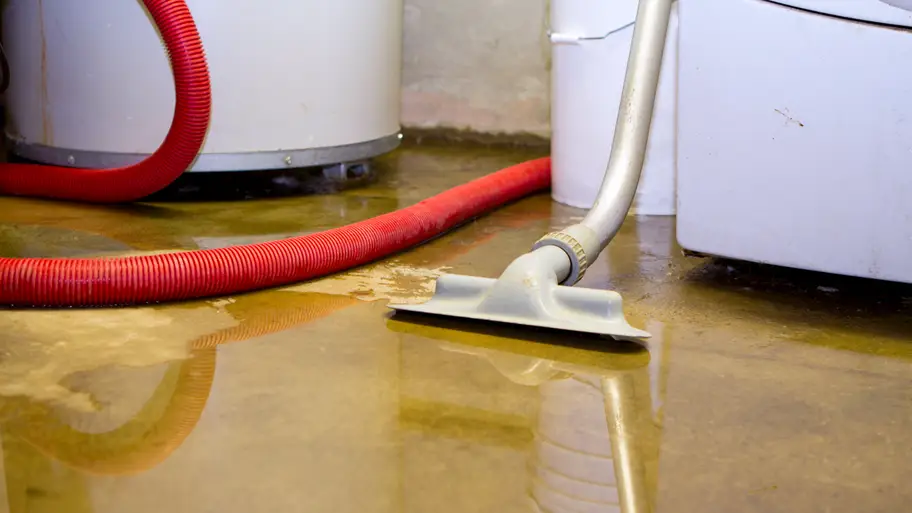
Time is critical when water damage occurs. Homeowners should act quickly to stop the source of water, whether that means shutting off the main supply or addressing a roof leak. Once the immediate threat is controlled, documenting the damage becomes the priority. Taking photographs and videos of affected areas provides evidence for the insurance company. It is important to capture both wide shots and close-ups, showing the extent of damage to floors, walls, furniture, and personal belongings. This documentation serves as the foundation of a strong claim.
Contacting Your Insurance Provider
After documenting the damage, homeowners should contact their insurance provider as soon as possible. Most insurers require prompt notification, and delays can complicate the claims process. When speaking with the insurance company, be prepared to provide details about the cause of the damage, the extent of the loss, and the steps taken to mitigate further harm. The insurer will typically assign an adjuster to inspect the property and assess the claim. Clear communication during this stage is essential, as misunderstandings can lead to reduced coverage or denied claims.
Working with Restoration Professionals
Restoration companies play a crucial role in the claims process. They not only repair the damage but also provide detailed reports and estimates that support the claim. Many restoration contractors are experienced in working directly with insurance adjusters, ensuring that all necessary documentation is submitted. Their expertise helps homeowners avoid common pitfalls, such as underestimating the cost of repairs or failing to account for hidden moisture. By partnering with professionals, homeowners strengthen their case for full coverage.
The Importance of Detailed Documentation
Successful claims rely on thorough documentation. Beyond photographs and videos, homeowners should keep receipts for emergency repairs, restoration services, and temporary accommodations if the property is uninhabitable. A written inventory of damaged items, including their approximate value, adds credibility to the claim. Insurance companies often require proof of ownership, so maintaining records such as purchase receipts or warranty documents can make a significant difference. The more evidence provided, the stronger the claim becomes.
Navigating the Adjuster’s Inspection
The insurance adjuster’s inspection is a pivotal moment in the claims process. Homeowners should be present during the inspection to answer questions and ensure that all damage is noted. Restoration professionals can also attend, offering technical insights that support the homeowner’s case. It is important to remain cooperative but assertive, making sure that the adjuster understands the full scope of the damage. If disagreements arise, homeowners have the right to request a second opinion or involve a public adjuster to advocate on their behalf.
Finalizing the Claim and Receiving Payment
Once the adjuster’s report is complete, the insurance company will determine the payout. This may cover repairs, replacements, and additional living expenses if applicable. Homeowners should review the settlement carefully to ensure it aligns with the documented damage and restoration estimates. If discrepancies exist, they can appeal the decision or provide additional evidence. Receiving payment allows restoration work to proceed, bringing the property back to a safe and livable condition.
Conclusion
Filing an insurance claim for water damage restoration can be daunting, but with preparation and attention to detail, homeowners can navigate the process successfully. Understanding policy coverage, documenting damage thoroughly, communicating clearly with insurers, and working alongside restoration professionals are all essential steps. By approaching the claims process strategically, homeowners not only secure the financial support they need but also ensure that their property is restored efficiently and effectively. In the end, a well-managed claim transforms a stressful situation into a manageable recovery, protecting both the home and the peace of mind of its occupants. Transform your workspace with expert renovation solutions at Zicklincontracting.com, where quality meets innovation.