
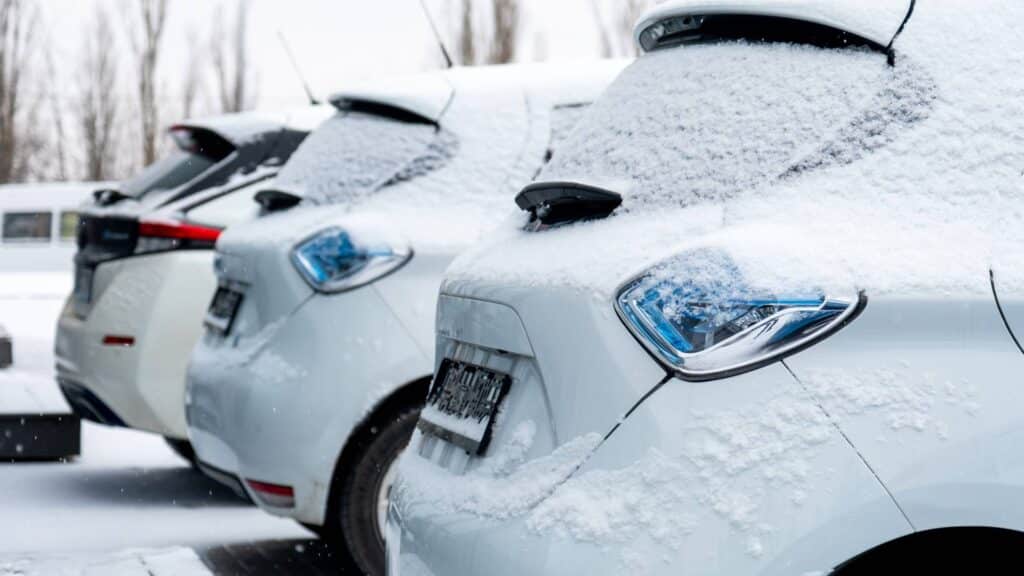
Extreme weather conditions test the limits of vehicles more than everyday driving ever will. From sub-zero Arctic temperatures to scorching desert heat, from torrential rain to heavy snowfall, not all cars are engineered to survive or perform reliably in harsh climates. Cars designed for extreme weather conditions combine specialized engineering, durable materials, and advanced safety systems to ensure reliability, comfort, and control when conditions are at their worst.
This article explores how these vehicles are designed, the features that matter most, and which types of cars are best suited for extreme environments.
What Qualifies as Extreme Weather for Vehicles?
Extreme weather conditions include:
-
Heavy snow and ice
-
Extreme cold temperatures
-
Intense heat and desert conditions
-
Flooding and heavy rainfall
-
High winds and sandstorms
Each of these environments presents unique challenges, requiring specific vehicle design considerations.
Engineering Features That Make Cars Weather-Resistant
Advanced Drivetrain Systems
All-wheel drive (AWD) and four-wheel drive (4WD) systems are essential for maintaining traction in snow, mud, sand, and wet conditions. These systems distribute power to all wheels, reducing slippage and improving stability.
Reinforced Cooling and Heating Systems
In extreme heat, engines risk overheating, while in freezing temperatures, fluids can thicken and batteries lose efficiency. Weather-ready cars use:
-
High-capacity radiators
-
Engine block heaters
-
Insulated fluid lines
-
Enhanced battery thermal management
These systems ensure reliable operation year-round.
Cars Designed for Extreme Cold
Vehicles built for cold climates focus on maintaining performance in snow and freezing temperatures.
Key cold-weather features include:
-
Heated seats, steering wheels, and mirrors
-
Cold-resistant rubber seals
-
Snow-optimized traction control
-
Battery insulation and heating systems
These features reduce cold-start issues and improve driver comfort and safety.
Cars Designed for Extreme Heat
Desert and tropical climates place heavy stress on engines, tires, and interiors.
Heat-resistant vehicles typically include:
-
High-efficiency air conditioning systems
-
UV-resistant paint and interior materials
-
Reinforced cooling fans
-
Heat-tolerant tires
Without these enhancements, vehicles can suffer from premature wear and mechanical failure.
Vehicles Built for Flooded and Wet Conditions
Frequent rain and flooding demand vehicles with superior water management.
Important features include:
-
Elevated air intake systems
-
Sealed electrical components
-
Enhanced drainage channels
-
Higher ground clearance
These elements reduce the risk of water damage and engine failure during floods.
Body Design and Materials Matter
Cars designed for extreme conditions often use:
-
Corrosion-resistant coatings
-
Reinforced underbody protection
-
Weather-sealed doors and panels
-
Impact-resistant windshields
These materials protect against rust, debris, and environmental damage over time.
Interior Comfort in Harsh Climates
Extreme weather does not only affect mechanical components; it also impacts comfort and usability.
Climate-adapted interiors feature:
-
Advanced climate control zones
-
Moisture-resistant upholstery
-
Anti-fog windshields and windows
-
Durable trim materials
This ensures comfort and safety even during long drives in challenging environments.
Technology That Enhances Safety
Modern vehicles designed for harsh weather rely heavily on intelligent systems:
-
Adaptive traction and stability control
-
Hill descent and ascent control
-
Advanced driver-assistance systems
-
Weather-responsive drive modes
These technologies adjust vehicle behavior based on road and weather conditions.
Types of Cars Best Suited for Extreme Weather
| Vehicle Type | Best For | Key Advantage |
|---|---|---|
| SUVs | Snow, floods, rough terrain | High ground clearance |
| Pickup Trucks | Desert, off-road, snow | Durable chassis |
| AWD Sedans | Rain, light snow | Balanced handling |
| Electric Vehicles (adapted) | Cold and heat | Advanced thermal management |
While SUVs dominate this category, certain sedans also perform exceptionally well, especially when practicality is a priority. Some families prefer Sedans with Large Boot Space for Family Travel that also include AWD systems and weather-adaptive features, offering a balance between comfort and resilience.
Maintenance Considerations for Extreme Weather Cars
Even the best-designed vehicles require proper care:
-
Use weather-appropriate engine oil
-
Check tire condition and pressure regularly
-
Inspect seals and underbody protection
-
Service cooling and heating systems consistently
Preventive maintenance is crucial for long-term performance in extreme climates.
Choosing the Right Car for Your Climate
When selecting a vehicle for extreme weather, consider:
-
Typical temperature range
-
Road conditions and terrain
-
Frequency of extreme events
-
Availability of service and parts
A car suited for snow-heavy regions may not be ideal for desert heat, so climate-specific features matter.
FAQs: Cars Designed for Extreme Weather Conditions
Are AWD cars enough for extreme snow?
AWD improves traction, but winter tires are equally important for safe driving in heavy snow.
Do electric cars perform well in extreme weather?
Yes, when equipped with proper thermal management systems, though range can be affected by temperature extremes.
Is high ground clearance necessary for extreme weather?
It is essential for flooding, snow, and off-road conditions but less critical for heat-related environments.
Can regular cars be modified for extreme climates?
Some upgrades help, but factory-designed vehicles offer better reliability and safety.
Does extreme heat damage car interiors?
Yes, without UV-resistant materials and proper ventilation, interiors can crack, fade, or warp.
Final Thoughts
Cars designed for extreme weather conditions are built with resilience, adaptability, and safety in mind. From reinforced mechanical systems to advanced climate control technologies, these vehicles are engineered to perform where standard cars struggle. Choosing the right vehicle for your environment not only ensures reliability but also protects your investment and enhances driving confidence in the harshest conditions.