
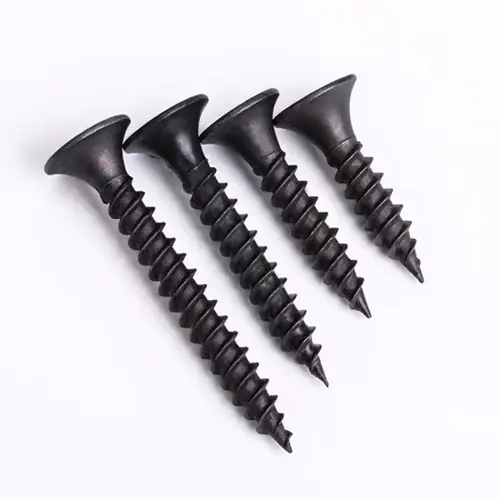
Drywall screw in India is becoming a common term for homeowners, contractors, and interior designers working with modern gypsum board partitions and ceilings. This article explains what drywall screws are, why they matter in Indian conditions, and how to pick the right ones for your project. Whether you are a DIY enthusiast or a professional, you will find practical, easy-to-understand guidance here.
Drywall Screw In India: What It Is And Why It Matters?
When people talk about a drywall screw in india, they are usually referring to a special type of fastener designed to fix gypsum boards to metal or wooden frames. Unlike regular wood screws, drywall screws have a sharp tip, a bugle head, and a specific thread pattern that helps them grip firmly without damaging the board surface. In Indian homes and offices, where gypsum partitions and false ceilings are becoming more popular, the right drywall screw directly affects the finish, durability, and safety of the structure. If the wrong screw is used, you may see cracks around the joints, sagging boards, or even failure near heavy fixtures. Taking the time to understand the basics of these screws helps you avoid frequent repair costs, ensures better sound and heat insulation, and gives a smoother, more professional finish to your interiors.
Drywall Screw In India: Key Features To Look For?
Choosing the right drywall screw in india starts with understanding its key features. The first thing to check is the material and coating, because Indian conditions often include high humidity, coastal air, or dust, which can cause regular screws to rust quickly. Many users prefer phosphate-coated or zinc-coated screws for better corrosion resistance and longer life. Another important feature is thread type: fine thread screws are normally used for fixing boards to metal frames, while coarse thread screws are more suitable for wooden studs and joists. Length is equally important; if the screw is too short, it may not grip the frame securely, and if it is too long, it can damage pipes, wiring, or other elements hidden inside the wall or ceiling. Head design matters as well, because a bugle head allows the screw to sink slightly below the surface, making it easier to apply jointing compound and achieve a seamless finish. By paying attention to these features at the time of purchase, you can match the screw to your specific project and reduce installation issues.In addition to the main features, consider drywall screw manufacturers in indiav that follow consistent quality standards, offer reliable packaging, and provide clear size markings on every box. This helps contractors and DIY users quickly pick the correct screw on busy job sites without confusion or wastage.
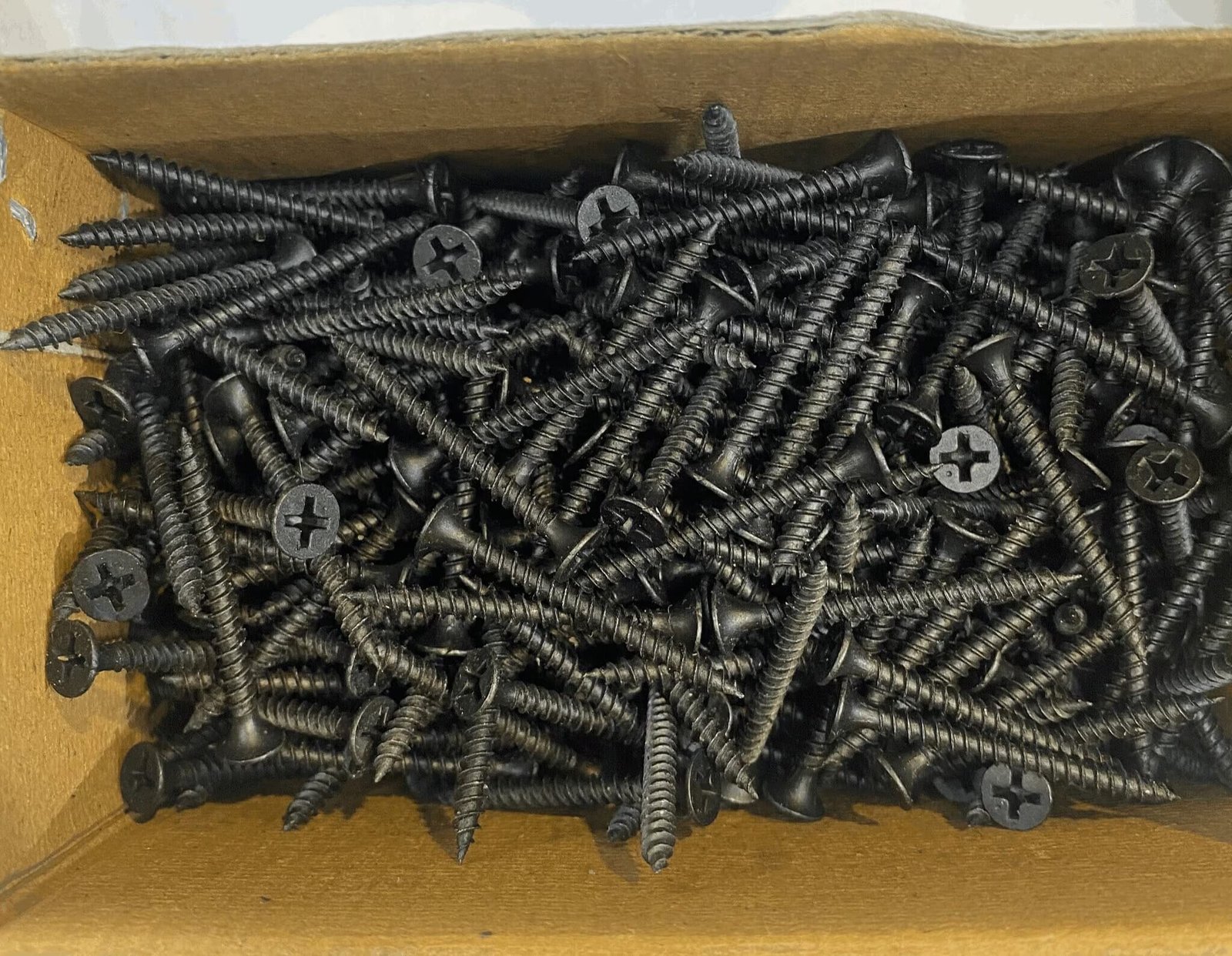
Common Types And Sizes Of Drywall Screws Used In India
When you shop for a drywall screw in india, you will notice several types and sizes on the shelf. The most common classification is based on length, which usually starts around 19 mm and can go up to 50 mm or more, depending on the thickness of the gypsum board and the frame. Shorter screws are often used for single-layer boards on thin metal studs, while longer screws are used for thicker boards, double-layer systems, or where additional holding strength is needed. Another way to classify drywall screws is by their tip style. Self-drilling or drill-point screws are popular when fixing boards to thicker metal sections, because they can pierce the metal without pre-drilling, saving time on site. Sharp-point screws are more common with thin metal or wooden frames, where they can easily bite into the material.
Coating type also creates categories in the Indian market. Black phosphate-coated screws are widely used for interior applications, especially in dry areas such as living rooms, offices, and bedrooms. For areas exposed to occasional moisture, like kitchens, corridors, or certain commercial spaces, some installers prefer screws with better corrosion resistance, such as zinc-coated variants, combined with proper system design. The choice of head type remains mostly standard, with bugle head designs dominating because they work well with gypsum boards and reduce the risk of tearing the paper surface. Understanding these basic types and sizes allows homeowners and contractors to make quick, confident decisions while purchasing, instead of relying only on the dealer’s suggestion.
How To Choose Drywall Screws For Indian Climate And Construction?
Selecting a drywall screw in india is not just about length and price; you also need to match the screw to local climate conditions and construction style. In many Indian cities, high humidity and temperature changes can stress both the frame and the fasteners. In coastal areas or regions with frequent monsoon exposure, choosing screws with reliable corrosion resistance is essential to avoid rust stains or weakening over time. If the structure uses lightweight metal frames, make sure the screws are designed for that specific gauge, so they do not strip the metal or loosen under vibration. For wooden frames, coarse thread screws are usually more suitable, because they bite deeper into the grain and hold the board firmly without frequent loosening.
Construction methods also matter. For high-rise apartments and commercial projects, safety standards and fire performance are often stricter, and using system-tested components, including compatible screws, helps maintain compliance. For home renovation or small office projects, you may focus more on ease of installation and cost, but should still avoid unknown or untested products. Always check that the screw length allows at least a recommended amount of penetration into the frame, typically more than just the tip, to ensure strong grip. It is also a good idea to buy from trusted suppliers who provide consistent batches, because mixing different types of screws on the same wall can lead to uneven performance, visible defects, or difficulty during finishing and maintenance.
Practical Installation Tips For Using Drywall Screws In India
Even the best drywall screw in india will not perform well if it is installed incorrectly. One of the most important tips is to use a suitable power driver with an adjustable clutch or depth stop, so that the screw head sinks slightly below the board surface without breaking the paper. If the screw goes too deep, it loses holding power and may cause future cracks around the joint. Spacing between screws is another key factor. On partitions, installers usually keep screws at a regular distance along the studs and tracks, ensuring that the board is firmly supported across its entire surface. On ceilings, screw spacing may need to be tighter because boards are constantly under gravity, and loose fixing can lead to visible sagging or popping.
Pre-marking the frame locations on the board or using a laser or chalk line helps avoid missing the stud or metal profile. Missing the frame means the screw only grips the board, which is not safe or durable. For curved or special design surfaces, it may be necessary to use closer spacing or specific screw types recommended by the system supplier. Safety is also important during installation; wear eye protection when working overhead, and keep the work area clean of cut metal or broken screws. Finally, after all screws are installed, inspect the surface for any damaged board edges, misaligned heads, or exposed metal, and fix them before starting jointing and finishing. This step may feel small, but it saves a lot of rework and improves the overall look of the finished wall or ceiling.
Why Quality And Reliable Suppliers Matter For Drywall Screws In India?
Many users focus on the visible elements like board brand, paint color, or design, but the quality of every drywall screw in india plays a silent yet crucial role in the life of the installation. Low-quality screws can snap during installation, strip easily, or rust within a short time, leading to expensive repairs or premature failure of the partition or ceiling. When you choose reliable suppliers, you get screws that are manufactured with consistent dimensions, accurate threading, and proper heat treatment, which makes installation faster and reduces wastage. Consistency is especially important for large projects, where hundreds or thousands of screws are used; even a small variation in quality can add up to big problems.
Working with trusted manufacturers and distributors also ensures better support. They can provide technical data, recommended load limits, and guidance on the right screw for different board types or frame thicknesses. In some cases, system manufacturers test and approve specific combinations of boards, frames, and screws, which gives extra confidence to architects, consultants, and contractors. For homeowners and small businesses, buying from a known brand may feel slightly more expensive at first, but the long-term savings in maintenance and peace of mind often justify the choice. As drywall systems continue to grow in popularity across Indian cities and towns, understanding the value of quality fasteners becomes an important part of modern construction and interior design practice.
Conclusion
Drywall screw in india is more than just a small metal item; it is a key component that supports the strength, appearance, and durability of modern gypsum board walls and ceilings. By understanding the features, types, and sizes available, as well as the impact of climate and construction style, you can select screws that are better suited to your specific project. Paying attention to proper installation practices and spacing helps avoid common problems like cracks, popping, or sagging surfaces. Finally, choosing quality products from reliable suppliers reduces the risk of corrosion or breakage and supports long-lasting performance. With the right approach, drywall screws can quietly ensure that your interiors remain safe, smooth, and attractive for years.