
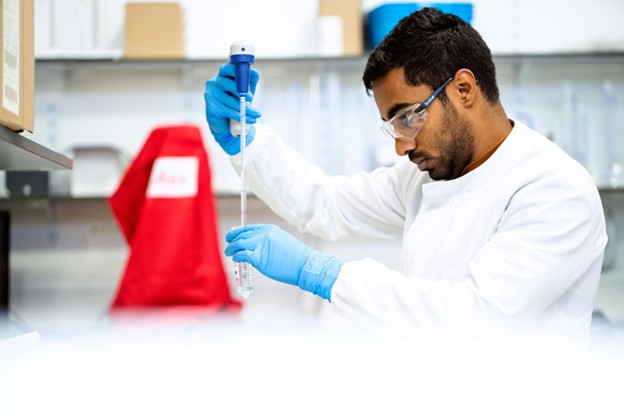
Forensic science has shaped modern history in ways many people do not notice at first. It sits behind major criminal investigations, disaster identification, war crimes trials, and even debates about historical events. As techniques improve, forensic tools keep changing what societies can prove, what they can only assume, and what finally moves from rumor to evidence.
Modern forensics blends biology, chemistry, digital analysis, and careful documentation. It can confirm identities, link people to places, and reconstruct events from tiny traces that would once have been ignored. That power has influenced public trust, legal systems, and how history gets recorded.
How Forensics Helps Verify Historical Claims
Forensic science can test artifacts, remains, documents, and physical sites tied to past events. Researchers use methods like DNA analysis, isotope testing, fingerprint comparison, handwriting study, and material dating to check whether evidence matches a claim. These approaches help historians separate speculation from findings that hold up under scrutiny.
When people debate famous figures or disputed events, forensic work can become part of the conversation. Some investigations focus on identity verification, others focus on cause of death, and others focus on whether a document or object is authentic. In that context, forensic researchers sometimes examine controversial topics such as Adolf Hitler DNA as a way to understand what evidence exists, what is missing, and what can realistically be proven. Even when forensic testing does not deliver a final answer, it can narrow the range of plausible explanations. It can show what likely happened, what could not have happened, and what requires more credible evidence.
War Crimes, Human Rights, and Accountability
Forensic science has played a major role in documenting war crimes and supporting human rights investigations. Teams recover remains from mass graves, identify victims, and collect physical evidence that can be used in court. This work can help families find closure and can help establish accountability when stories conflict.
Forensic anthropologists and pathologists can estimate the time of death, detect signs of trauma, and determine whether the remains were moved. DNA matching can link victims to relatives, which helps confirm identities and supports legal documentation. These methods have been used in many post-conflict settings where accurate records are limited or intentionally destroyed.
This is one reason forensics matters beyond crime scenes. It can support truth-seeking after violence and provide evidence that courts and commissions can rely on.
Disaster Victim Identification and Public Safety
Large-scale disasters often overwhelm traditional identification methods. Forensic science supports disaster victim identification through dental records, fingerprints, DNA, and medical implants. These processes help authorities confirm identities accurately, even when remains are fragmented or degraded.
Forensic work also helps investigators understand what happened. Fire analysis, structural assessment, and digital reconstruction can reveal failure points and support prevention measures. That means forensics can contribute to safer engineering standards and stronger emergency planning.
In public health contexts, forensic data can help map patterns, confirm causes, and improve future response. It is one of the reasons forensic teams often work alongside medical examiners, engineers, and emergency agencies.
The Impact of Digital Forensics on Modern Records
Modern history is now written in data as much as paper. Digital forensics helps recover deleted files, trace communications, and verify the authenticity of photos and videos. This has changed investigations involving fraud, political corruption, cybercrime, and misinformation campaigns.
Digital evidence can also shape how future historians understand the present. Metadata, location data, and timestamped communications create new forms of documentation. At the same time, deepfakes and manipulated media create new risks, which pushes forensic tools to evolve quickly.
Digital forensics is now central to understanding how events unfold, especially when major decisions and communications happen through devices.

Forensic science plays a quiet but powerful role in modern history. It verifies claims, supports accountability, helps identify victims, and shapes how societies record the truth. As methods improve, forensics will keep changing what can be proven and what remains uncertain. When used carefully and ethically, it strengthens both justice systems and historical understanding.