

Many company events fail due to a lack of clear objectives, poor audience engagement, and generics programming. When organizers do not specify outcomes or tailor content to diverse audiences, attendees can quickly lose interest. Furthermore, an overemphasis on logistics often distracts from strategic goals. To fix these issues, companies should define measurable objectives at the outset and personalize experiences based on audience preferences. Utilizing technology for engagement and implementing comprehensive marketing plans are essential steps as well. Finally, gathering feedback post-event and adjusting future strategies ensures continual improvement in event management practices that leave a lasting impact on participants.
1. Lack of Clear Objectives: The Root Cause of Failure
A successful company event management starts with a clear purpose. Without specific goals, such as increasing sales or enhancing team collaboration, events can spiral into confusion and deliver lackluster outcomes. To prevent this, it’s essential to define objectives using the SMART criteria: Specific, Measurable, Achievable, Relevant, and Time-bound. For instance, instead of a vague goal of ‘improving team dynamics,’ aim for ‘increasing team collaboration by 25% as measured by post-event surveys within three months.’
Involving key stakeholders in the objective-setting process not only ensures alignment but also fosters buy-in across the organization. Once objectives are established, communicate them to the entire team. When everyone understands the purpose behind the event, it creates a sense of ownership and direction.
As the planning phase unfolds, regularly review and adjust these objectives as necessary to stay aligned with broader company goals. Documenting objectives clearly serves as a reference point, helping to maintain focus amidst the whirlwind of logistics and details. After the event, assess the relevance of the defined goals by comparing outcomes against expectations. Gathering feedback from participants can reveal whether they understood the objectives and if they felt they were met. Finally, conducting a post-event analysis helps identify successes and areas for improvement, paving the way for even more effective events in the future.
- Define specific goals like increasing sales or enhancing team collaboration, these should guide the entire planning process.
- Use SMART criteria (Specific, Measurable, Achievable, Relevant, Time-bound) to create clear objectives that are easy to track.
- Engage key stakeholders in the objective-setting process to ensure alignment and buy-in.
- Communicate these objectives to the entire team so everyone understands the purpose of the event.
- Review and adjust objectives as needed throughout the planning phase to stay aligned with company goals.
- Document objectives clearly and refer back to them during planning to maintain focus.
- Assess the relevance of objectives post-event to learn from successes and failures.
- Use objectives as a benchmark to evaluate the success of the event and identify areas for improvement.
- Encourage feedback from participants to gauge if objectives were clearly understood and met.
- Conduct a post-event analysis to compare outcomes against the defined objectives.
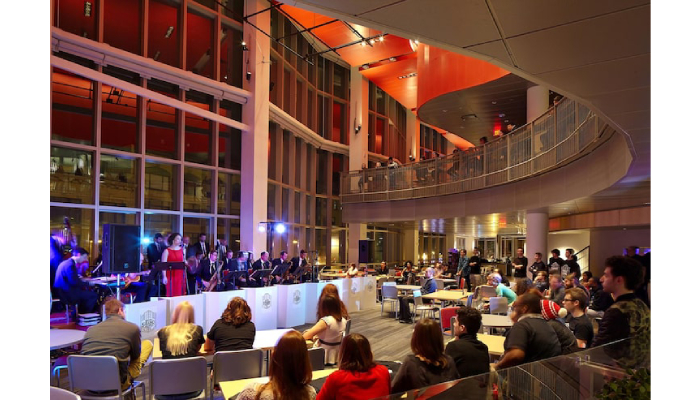
2. Poor Audience Engagement: Missing the Mark
When it comes to company events, poor audience engagement can spell disaster. If attendees feel like passive observers rather than active participants, disinterest quickly sets in. One effective way to keep the energy high is to utilize interactive formats like Q&A sessions or hands-on workshops, which invite attendees to engage directly. Incorporating multimedia elements, such as videos and live demonstrations, can also capture attention and spark interest, making the event more dynamic.
Creating opportunities for networking is another critical aspect. Events should foster connections, encouraging attendees to mingle and share ideas. Prior to the event, consider surveying attendees to understand their preferences and tailoring the content accordingly. This personalized approach can make participants feel valued and heard.
Gamification techniques can further enhance engagement, turning learning into a fun experience. Offering incentives for participation, like prizes or recognition for active involvement, can motivate attendees to engage more deeply.
Leveraging social media is essential for building excitement before, during, and after the event. It creates buzz and keeps the conversation going, expanding the event’s reach. During the event, be open to feedback, allowing for adjustments based on audience reactions. Training presenters in engaging delivery techniques is vital, as their ability to connect with the audience can make or break the experience.
Lastly, analyzing engagement metrics post-event is crucial. Understanding what worked and what didn’t enables you to refine strategies for future events, ensuring that each occasion is better than the last.
3. Overemphasis on Logistics: Strategy Matters More
When planning a company event, it can be tempting to focus heavily on logistics, such as choosing the right venue, catering, and technical setups. However, placing too much emphasis on these details can lead to a disconnect between the event’s logistical execution and its strategic goals. It’s crucial to prioritize strategic objectives right from the start. For example, if the goal is to foster collaboration, then logistics should support that vision, like selecting an open, interactive space rather than a traditional conference room.
Developing a timeline is essential, one that incorporates both logistical details and strategic milestones. This helps keep everyone aligned and focused. Regular check-ins with strategic planners during logistical discussions ensure that the big picture perspective isn’t lost amidst the finer details. By encouraging team members to think about how logistics can enhance the attendee experience, you create an event that resonates with your audience.
Establishing key performance indicators (KPIs) will help measure both the logistical effectiveness and the success of the strategy. For example, if a breakout session was meant to spur innovation, tracking engagement levels can reveal whether the logistics supported that goal. Leveraging technology can also streamline logistical processes while keeping the strategic vision intact.
Finally, documenting lessons learned from past events can significantly improve the planning for future ones. Conducting pre-event strategy sessions to align logistics with the overall vision is a proactive step. Post-event evaluations should assess whether the logistical decisions made actually contributed to the strategic success of the event, creating a continuous cycle of improvement.
4. Generic Programming: One Size Doesn’t Fit All
Generic programming often leads to disengagement, as attendees feel that the content doesn’t resonate with their specific needs. To combat this, audience segmentation is crucial. By understanding the diverse interests and needs of your participants, you can tailor programming that truly connects. For instance, instead of a single keynote session, consider offering multiple tracks that align with varying roles and interests. This approach not only enhances relevance but also fosters engagement.
Incorporate various content formats, like interactive workshops, panel discussions, and case studies, to cater to different learning styles. Collaborating with subject matter experts can also lend credibility and keep sessions engaging. Attendees appreciate real-world examples that make content relatable, so using case studies can bridge the gap between theory and practice.
Gathering input from potential attendees before the event is another powerful strategy. Surveys or focus groups can help identify topics that matter most to your audience. After the event, analyze feedback to spot trends and preferences for future programming. This ongoing dialogue helps ensure your content remains fresh and relevant, steering clear of the repetitiveness that can turn attendees off. Remember, promoting peer-to-peer learning opportunities can also enhance the experience, allowing attendees to share insights and foster a sense of community. By moving away from a one-size-fits-all agenda, you can create a more engaging and impactful experience that resonates with all participants.
5. No Follow-Through: Losing Momentum Post-Event
After the excitement of an event, many companies drop the ball when it comes to maintaining engagement. Establishing a clear plan for post-event communication is crucial. Sending out thank-you emails with key takeaways can make attendees feel valued and connected. Additionally, sharing recorded sessions or materials keeps the conversation alive and allows participants to revisit the insights shared. Scheduling follow-up meetings or webinars is a great way to address lingering questions and sustain that initial enthusiasm.
Creating a community platform for attendees can foster networking and sharing of insights long after the event ends. Utilizing surveys to gather feedback not only shows that you care about their opinions, but it also provides valuable data to enhance future events. Sharing success stories or case studies that emerge from the event can inspire and motivate attendees to act on what they’ve learned.
Don’t forget about social media! Sharing highlights and key moments can reignite interest and keep the conversation going. Tracking and analyzing post-event engagement metrics helps evaluate how effective your follow-through was, ensuring that you can improve in the future. Lastly, documenting lessons learned during the event and sharing them with all stakeholders can guide better planning for next time. When you invest in the post-event phase, you maximize the impact of your efforts and build lasting relationships with attendees.
6. Budget Overruns: Keeping Costs in Check
Budget overruns can be a significant pitfall in event management, causing stress and complications that can derail even the best-planned events. One of the first steps to prevent this is to create a detailed budget that encompasses all expected costs, including a contingency fund for unexpected expenses. For instance, if you’re planning a corporate retreat, include everything from venue rental to catering, activities, and even travel. Regularly reviewing budget estimates against actual expenditures throughout the planning process is crucial. This helps you stay on track and make adjustments as necessary.
Utilizing budgeting software can offer real-time tracking of expenses, making it easier to spot discrepancies early. For example, if catering costs start to exceed the initial estimate, you can negotiate with the vendor or explore alternatives before it’s too late. Speaking of negotiation, it’s wise to involve your finance team early in the budgeting process. Their expertise can ensure accuracy and accountability, helping you secure the best rates and terms from vendors.
Another effective strategy is to identify areas where costs can be trimmed without compromising quality. For example, consider simplifying your event’s decor or opting for a buffet-style meal instead of plated service. Set clear financial goals, such as limits for individual expense categories, to keep your spending in check. Tracking the return on investment (ROI) for different aspects of the event can justify your expenses and inform future budgeting decisions. Finally, conducting post-event financial reviews will help you identify discrepancies and areas for improvement, ensuring that your next event is even more successful.
7. Poor Vendor Selection: The Importance of Reliability
Selecting the right vendors is critical to the success of any company event. An unreliable vendor can lead to missed deadlines, poor quality services, and ultimately, an event that falls flat. To avoid these pitfalls, start by creating a checklist that evaluates potential vendors based on their reliability, quality of service, and past performance. Requesting references and case studies can provide valuable insights into their capabilities and previous successes.
Conducting interviews or meetings with vendors is essential to gauge their understanding of your needs and expectations. Establish clear communication channels from the beginning, ensuring both parties are aligned on goals and deliverables. Detailed contracts are a must, covering every aspect of the vendor’s performance to avoid misunderstandings later on.
Consider implementing a vendor management system to track performance over time. This can help you evaluate vendors based on their reliability, allowing you to make informed decisions for future events. Building relationships with trusted vendors can lead to consistent quality and reliability, creating a partnership that benefits both parties.
Gathering feedback from team members on vendor performance after each event can inform your future selections. It’s also wise to have backup vendors identified, ready to step in should any last-minute issues arise. Finally, post-event assessments of vendor performance will help refine your selection process, ensuring that your future events run smoothly and successfully.
8. Inadequate Marketing: Getting the Word Out
Marketing is the lifeblood of any event, but when not done right, it can lead to disappointing attendance and engagement. To avoid this pitfall, start by developing a multi-channel marketing strategy that includes email, social media, and even traditional advertising methods. Create compelling content that showcases the unique offerings of your event, making it clear why attendees should be excited to join. Utilize targeted advertising to reach specific audience segments effectively, ensuring your message resonates with the right people.
Partnering with industry influencers or organizations can significantly broaden your reach and credibility. Generate buzz with pre-event teasers and sneak peeks, creating anticipation that will drive registrations. Keep a close eye on your registration metrics to assess the effectiveness of your marketing efforts, and adjust your strategies accordingly.
Incentivizing early sign-ups through early-bird registration discounts is a great way to boost attendance. Don’t forget to leverage testimonials and case studies from past events, these serve as powerful tools to build credibility and attract new attendees. After the event, follow up with attendees to keep them engaged and excited about future events. Finally, take the time to analyze the performance of your marketing campaigns; this insight will help refine your strategies and ensure your next event is an even bigger success.
9. Technical Issues: Preparing for Tech Failures
Technical issues can be the bane of any event, turning a well-planned occasion into a chaotic experience. To combat this, conducting thorough tech checks before the event is crucial. This means testing all equipment, from microphones to projectors, to ensure everything functions properly. Having a dedicated tech support team on-site can also make a world of difference, allowing for immediate troubleshooting of any problems that arise during the event.
It’s also wise to create a backup plan for critical technology, such as alternative presentation methods or spare equipment. For instance, if a projector fails, having printed handouts ready can keep the session flowing smoothly. Training presenters and staff on the technology being used minimizes disruptions, ensuring everyone feels confident and prepared.
Utilizing reliable vendors for technology needs is essential. Clear communication about requirements helps avoid misunderstandings and ensures that the tech provided meets your event’s standards. After the event, gathering feedback from attendees about any tech issues they experienced is invaluable for future improvements. Regularly updating tech tools and equipment can also enhance compatibility and reliability, making your next event even smoother. Lastly, documenting any tech failures and their resolutions creates a valuable reference for future events, allowing you to learn from past mistakes and continuously improve.