
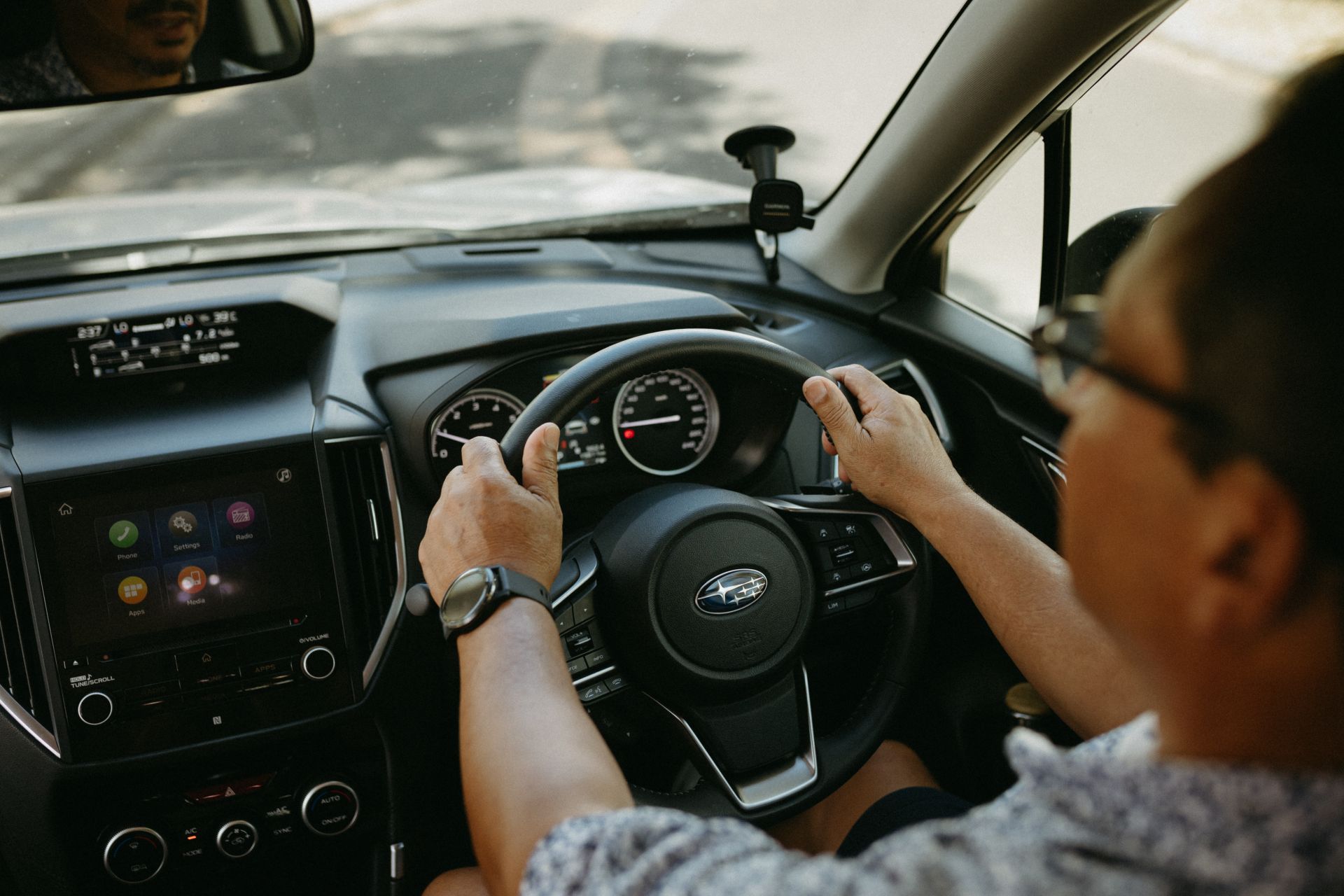
As people age, driving often remains an important symbol of independence and mobility. However, changes in vision, reaction time, flexibility, and hearing can make driving more challenging for elderly drivers. Fortunately, modern automotive technology has made significant strides in enhancing vehicle safety and usability. Today’s cars offer advanced safety features specifically designed to reduce risk, improve awareness, and support confident driving for older adults.
This article explores the most important safety features for elderly drivers, the types of cars that best support these needs, and how technology is reshaping senior-friendly transportation.
Why Advanced Safety Features Matter for Elderly Drivers
Elderly drivers are more likely to experience difficulty with night driving, complex traffic situations, and sudden hazards. Advanced safety features help compensate for these challenges by assisting with detection, prevention, and response.
Key benefits include:
-
Reduced accident risk
-
Improved situational awareness
-
Lower physical and cognitive strain
-
Greater confidence behind the wheel
Choosing the right vehicle can significantly improve safety and comfort for older drivers.
Essential Safety Features to Look For
1. Advanced Driver Assistance Systems (ADAS)
ADAS technologies form the backbone of modern vehicle safety. For elderly drivers, these systems act as an extra layer of protection.
Important ADAS features include:
-
Forward collision warning
-
Automatic emergency braking
-
Lane departure warning
-
Lane-keeping assist
These features help prevent common accidents caused by delayed reaction times or momentary lapses in attention.
2. Blind Spot Monitoring
Blind spots can be especially challenging for elderly drivers with limited neck mobility. Blind spot monitoring systems alert drivers when another vehicle is detected in adjacent lanes, reducing the risk of side-impact collisions.
Visual indicators and audible alerts make lane changes safer and less stressful.
3. Adaptive Cruise Control
Adaptive cruise control automatically adjusts vehicle speed to maintain a safe following distance. This feature is particularly helpful on highways, reducing fatigue and allowing elderly drivers to focus more on steering and situational awareness.
4. Enhanced Visibility and Camera Systems
Good visibility is critical for safe driving. Modern vehicles now offer:
-
Rearview cameras
-
Surround-view monitoring systems
-
High-resolution digital displays
Features such as Cars with Smart Parking Assist and 360-Degree Camera make parking and low-speed maneuvering much easier, especially in tight spaces or crowded environments.
5. Easy-to-Use Controls and Displays
Safety is not only about sensors and alerts. User-friendly interiors play a crucial role for elderly drivers.
Key design elements include:
-
Large, clearly labeled buttons
-
High-contrast digital displays
-
Simple infotainment systems
-
Voice control functionality
These features minimize distraction and reduce cognitive overload.
Vehicle Design Considerations for Elderly Drivers
Comfortable Seating and Entry
Vehicles with higher seating positions make it easier to get in and out. Supportive seats with adjustable lumbar support help reduce discomfort during longer drives.
Steering and Handling Assistance
Electronic power steering with adjustable sensitivity makes vehicles easier to control, particularly at low speeds. This reduces physical strain on the hands and arms.
Reliable Safety Ratings
Cars with strong crash-test ratings provide added peace of mind. Structural integrity, airbag placement, and reinforced frames all contribute to occupant protection.
Comparison of Safety Features Ideal for Elderly Drivers
| Safety Feature | Primary Benefit | Importance Level |
|---|---|---|
| Automatic Emergency Braking | Prevents frontal collisions | High |
| Blind Spot Monitoring | Safer lane changes | High |
| Rearview Camera | Easier reversing and parking | High |
| Adaptive Cruise Control | Reduces driving fatigue | Medium |
| Lane-Keeping Assist | Prevents unintended drifting | Medium |
| Voice-Control Systems | Minimizes driver distraction | Medium |
Best Types of Cars for Elderly Drivers
While individual needs vary, certain vehicle categories are generally well-suited for elderly drivers:
-
Compact and midsize sedans with good visibility
-
Small SUVs with higher ride height
-
Vehicles with automatic transmission
-
Cars with comprehensive safety packages
Test driving is essential to ensure comfort, ease of use, and confidence.
Common Mistakes to Avoid When Choosing a Car
Elderly drivers and their families should avoid:
-
Choosing vehicles with overly complex controls
-
Ignoring visibility and seat comfort
-
Prioritizing style over safety features
-
Skipping hands-on test drives
A car should feel intuitive and reassuring, not overwhelming.
Frequently Asked Questions (FAQs)
What is the safest type of car for elderly drivers?
Cars with advanced driver assistance systems, high safety ratings, and easy-to-use controls are generally the safest for elderly drivers.
Are SUVs better than sedans for older drivers?
Small SUVs can be easier to enter and exit, but sedans with good visibility and safety features can be just as suitable.
Do advanced safety features make driving easier for seniors?
Yes. These features reduce physical and cognitive demands, helping elderly drivers react more quickly and drive with greater confidence.
Is it necessary for elderly drivers to have a 360-degree camera?
While not mandatory, surround-view cameras significantly improve parking and low-speed maneuvering, which can be challenging for older drivers.
Conclusion
Cars with advanced safety features are transforming the driving experience for elderly drivers, making it safer, more comfortable, and less stressful. From collision prevention systems to enhanced visibility and intuitive controls, modern vehicles offer powerful tools that support independence and peace of mind.
By prioritizing safety, usability, and comfort, elderly drivers can continue to enjoy the freedom of driving while reducing risks on the road. Choosing the right car is not just a lifestyle decision—it is a vital step toward safer mobility and long-term confidence behind the wheel.