
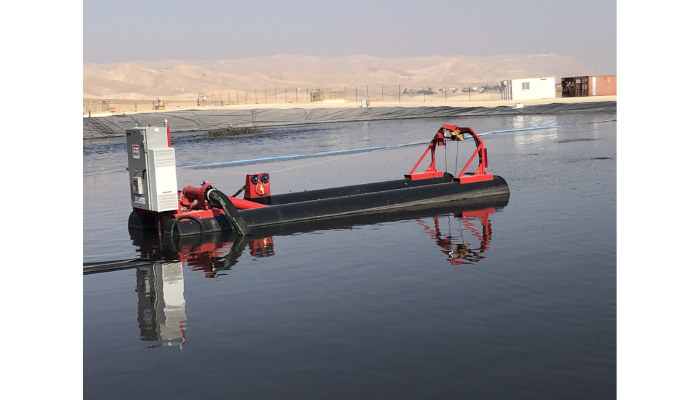
Dredging is a vital process that removes sediment from water bodies, enhancing both navigation and water quality. This involves various techniques such as mechanical and hydraulic dredging, each employing different equipment like cutter-suction dredges or plain-suction dredges. After removal, the dredged material often transforms into a slurry, which goes through dewatering processes to separate solids from water. The cleaned materials can then be repurposed for construction, land reclamation, or safely disposed of in landfills if deemed non-hazardous. Importantly, these practices are governed by strict regulations to ensure environmental safety while fostering aquatic ecosystem restoration and supporting wildlife habitats.
1. What is Dredging?
Wastewater Dredge is the exciting process of removing accumulated sediment and debris from the bottoms of rivers, lakes, and canals, transforming these waterways into safe and navigable passages. This essential practice has been used for centuries across various cultures, originally serving purposes like irrigation and fishing. Today, dredging is not only vital for preventing accidents and supporting transportation, but it also enhances recreational activities by improving water quality and the overall aesthetics of our lakes and rivers. By removing excess sediment, dredging plays a crucial role in flood control, ensuring better water flow and reducing the risk of flooding in surrounding areas. Furthermore, it is instrumental in maintaining the infrastructure of ports and harbors, which is key to facilitating international trade. Dredging operations can range from small, localized projects to massive undertakings in larger river systems, each powered by advanced technology such as GPS and remote sensing for precision. However, it is important to understand the local ecosystem, as dredging can affect fish habitats and aquatic life if not managed carefully. Ultimately, this practice aligns with urban development goals by providing land for future construction and expansion, all while addressing pressing environmental concerns by removing harmful sediments that may contain pollutants.
2. The Dredging Process Explained
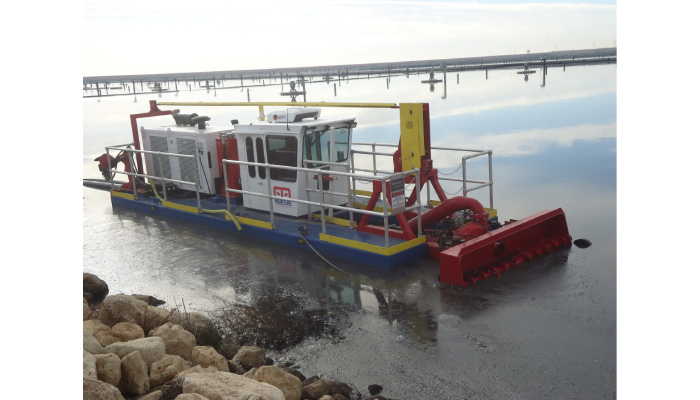
The dredging process kicks off with a thorough site assessment, laying the groundwork for the best methods and tools to use. Environmental surveys are essential, as they gauge the potential impact on local ecosystems and ensure adherence to regulations. Skilled operators are crucial for safely managing the equipment and maintaining efficiency during operations. There are two primary dredging methods: hydraulic dredging, which employs water jets to fluidize the soil, making it easier to suction away, and mechanical dredging, which relies on heavy machinery like excavators to remove sediment.
Monitoring systems play a vital role in these operations, tracking sediment discharge to ensure it aligns with environmental standards. Training and certification for dredging personnel are indispensable, ensuring that they possess the necessary skills and knowledge for safe on-site operations. The choice of dredge type depends on specific conditions, such as water depth and sediment type, which optimizes the efficiency of the project.
Project design also focuses on creating realistic timelines and budgets, as these elements are critical for success. Collaboration with local authorities and communities fosters acceptance and enhances the effectiveness of dredging projects. Finally, after the dredging is completed, restoring the site becomes essential to minimize environmental impact and encourage natural regrowth.
3. How is Dredged Material Removed?
Dredged material is often transported as a slurry, a mixture of water and sediment. This method makes it easier to move than solid material alone. Pipelines are typically used for transporting the slurry, directing it to dewatering sites or disposal areas efficiently. For longer distances, barges come into play, allowing for cost-effective transport to treatment or disposal facilities. Careful planning is essential during the removal process to prevent spills or contamination while the material is on the move. Monitoring equipment plays a crucial role, tracking both the volume and quality of the dredged material being transported to ensure compliance with regulations. Sometimes, settling tanks are utilized during transport, helping to reduce the water content in the slurry, which aids in subsequent dewatering efforts. Dredged materials can be classified into categories, such as clean fill or contaminated, which influences the handling and treatment processes. The removal of dredged materials usually requires permits, obtained through rigorous environmental assessments. Efficient removal not only minimizes the duration of dredging operations but also lowers costs significantly. Additionally, the method of removal can impact how quickly the dredging site can be restored and reused, underscoring the importance of a well-thought-out approach.
4. Techniques for Dewatering Dredged Material
Dewatering is a crucial step in managing dredged materials, as it reduces their volume and weight, making transport and disposal more efficient and cost-effective. One popular method involves using geotextile tubes, which contain the slurry while allowing water to naturally drain away, leaving behind solid material. This innovative approach not only simplifies the dewatering process but also helps repurpose the remaining solids for various applications. Mechanical methods like belt presses and centrifuges are also effective, efficiently extracting water from the dredged materials. Vacuum systems are particularly useful in tight spaces where traditional methods may not fit, offering flexibility in challenging environments.
For large volumes of dredged material, natural evaporation ponds can be employed, although this method heavily relies on favorable weather conditions. In some cases, chemical additives are introduced to enhance the dewatering process, but this requires careful consideration of potential environmental impacts. Continuously evolving dewatering technologies focus on improving sustainability and efficiency, with new methods being regularly tested. Monitoring the moisture content of dredged material is essential to determine the best strategies for disposal or reuse, ensuring that the materials can be transformed into valuable resources. The choice of a dewatering technique ultimately depends on the type of dredged material and its intended end use, highlighting the importance of selecting the right approach for successful outcomes.
5. Options for Disposal and Treatment
Disposal options for dredged materials can differ significantly depending on their characteristics. Clean materials, such as sand and gravel, are often suitable for reuse in construction projects, reducing waste and promoting sustainable practices. However, for dredged materials that contain contaminants, landfilling is a common route, albeit with stringent regulations to prevent environmental harm. This ensures that harmful substances do not leach into the surrounding environment.
Beneficial reuse is gaining traction, where dredged materials are repurposed for applications like construction fill, embankments, or even habitat restoration. This not only minimizes landfill use but also supports local infrastructure development. For materials that are too contaminated for direct reuse, treatment options are available. Techniques such as thermal drying or bioremediation can effectively remove harmful substances, making it possible for these materials to be safely used even in sensitive areas.
Confined disposal facilities are another method employed to isolate dredged materials, effectively containing potential risks to nearby ecosystems. These facilities are carefully designed to prevent contamination of groundwater and surrounding soil. It is crucial that disposal methods are selected based on comprehensive environmental assessments and compliance with local regulations, ensuring that all safety measures are in place.
To foster community trust and demonstrate responsible practices, public outreach about disposal methods is essential. Keeping the community informed can alleviate concerns and promote transparency. Finally, ongoing monitoring of disposal sites is vital to assess the long-term impacts and ensure that no adverse environmental effects arise from the dredged materials that have been disposed of.
6. Environmental Factors to Consider
Environmental assessments are crucial at every stage of dredging operations, ensuring that potential impacts are identified and mitigated. Dredging can stir up sediment, releasing hidden toxins back into the water column, which demands careful management to protect aquatic life. Continuous monitoring of water quality during dredging is essential to gauge the immediate effects on ecosystems and wildlife. Adjusting the timing of dredging operations can help avoid disrupting sensitive periods for local wildlife, such as breeding seasons, thereby minimizing ecological harm.
Engaging with local communities and environmental organizations fosters transparency and addresses concerns, often leading to improved project outcomes. Implementing best management practices during dredging is vital for reducing turbidity and preventing sediment resuspension, which can cloud waters and harm aquatic habitats. After dredging, ongoing monitoring is necessary to ensure that ecosystems can recover and that no long-term damage has occurred.
Sediment quality testing before disposal or treatment helps identify any contaminants that must be handled with care. Establishing buffer zones around sensitive areas can protect them from disturbances, further reducing ecological impacts. Finally, restoration efforts post-dredging are key to reestablishing habitats and supporting biodiversity, ensuring that the environment can thrive once again.
- Environmental assessments are critical before, during, and after dredging operations to mitigate potential impacts.
- Dredging can disturb sediment, releasing toxins back into the water column, which requires careful management.
- Monitoring water quality during dredging is essential to assess the immediate effects on aquatic life and ecosystems.
- The timing of dredging operations can be adjusted to avoid sensitive periods for local wildlife, such as breeding seasons.
- Stakeholder engagement with local communities and environmental groups can help address concerns and improve project outcomes.
- Best management practices should be implemented to minimize turbidity and sediment resuspension during dredging.
- Post-dredging monitoring ensures that the ecosystem can recover and that no long-term damage has occurred.
- Sediment quality testing helps identify contaminants that need to be managed during disposal or treatment.
- Buffer zones can be established to protect sensitive areas during dredging operations, reducing ecological impact.
- Restoration efforts after dredging can help reestablish habitats and support biodiversity in affected areas.
7. Real-Life Case Studies of Dredging
Dredging projects across the United States showcase the potential benefits and challenges of this vital process. One notable example is the New Jersey Meadowlands project, which involved extensive dredging to improve water quality and restore habitats in an area that had suffered from degradation for decades. This initiative not only helped clean the water but also revitalized local ecosystems, illustrating the positive impact of dredging on environmental restoration.
Another significant case is the Chicago River, where dredging efforts enhanced navigation and improved the surrounding environment. This project has led to increased recreational use of the river, transforming it into a vibrant space for both residents and visitors. The success of the Chicago River dredging reflects how proper planning and execution can turn a waterway into a community asset.
The Port of Seattle also undertook dredging to deepen shipping channels, boosting trade efficiency while incorporating environmental safeguards. By balancing economic needs with ecological concerns, this project demonstrates that dredging can support local economies without compromising environmental integrity.
In Florida, dredging was employed to restore wetlands, which not only benefited local wildlife but also enhanced flood protection for nearby communities. This approach highlights the dual advantages of dredging, addressing both ecological restoration and community safety.
The San Francisco Bay dredging project focused on removing contaminated sediments while promoting the beneficial reuse of the materials. Such innovative practices are essential for ensuring that dredging contributes positively to both environmental and community goals.
Collaboration is a key theme in successful dredging projects. Initiatives often involve various stakeholders, including government agencies and environmental organizations, working together to ensure holistic management. These partnerships can lead to valuable insights and lessons learned that inform future projects.
Real-life case studies like these not only demonstrate effective dredging practices but also underscore the importance of monitoring and adaptive management. By staying vigilant and responsive, projects can meet their environmental goals and adapt to changing conditions. Furthermore, public engagement and education play crucial roles in garnering support for dredging initiatives, ensuring that communities understand the benefits and processes involved.
8. How Dredging Benefits Ecosystems?
Dredging plays a crucial role in enhancing aquatic ecosystems. By removing pollutants and excess nutrients, it significantly improves water quality, which is vital for the health of various aquatic organisms. This process not only clears out harmful substances but also revitalizes habitats for fish and other wildlife, thus promoting biodiversity. Additionally, as sediment is removed, oxygen levels in the water increase, benefiting all forms of aquatic life.
Moreover, dredging helps maintain proper water flow in rivers and lakes, which is essential for flood prevention. This, in turn, protects surrounding habitats from potential flooding. Many dredging projects also incorporate habitat restoration efforts, such as creating wetlands or enhancing shorelines, further supporting wildlife.
Dredging can transform previously unusable areas into new recreational spaces, which supports local economies while preserving natural environments. Another significant benefit is the removal of invasive species, which helps restore balance to local ecosystems, allowing native species to thrive.
The materials dredged can often be reused in construction projects, reducing the need for new resources and minimizing environmental impact. With proper monitoring and management practices, dredging initiatives can lead to long-term ecological health of waterways. Collaboration with conservation groups ensures that these projects prioritize ecological goals, making dredging not just about removal, but about restoration and sustainable development.