
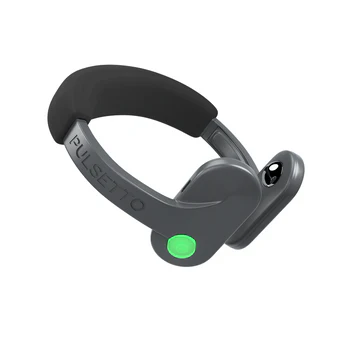
The vagus nerve acts as a major communication pathway between the brain and body, and new devices can now activate this nerve to support relaxation, better sleep, and stress relief. These small, non-invasive tools send gentle electrical signals through the skin to stimulate the vagus nerve without surgery or medication. As more people search for drug-free ways to manage their well-being, vagus nerve stimulation devices have become popular options in 2026.
These devices work by delivering controlled electrical pulses to the vagus nerve, which then helps activate the body’s natural relaxation response and supports better nervous system balance. Most devices attach to the neck or ear and connect to a smartphone app that lets users adjust settings and track their progress. Research shows that regular use can lead to measurable improvements in stress levels and sleep quality within just a few weeks.
However, the market now offers many different models with varying features, prices, and claims. New users often feel confused about which device to choose and how to use it correctly. This guide explains what these devices do, how they differ from each other, and what factors matter most for someone just starting with vagus nerve stimulation.
Understanding Vagus Nerve Stimulation Devices
These devices send electrical signals to the vagus nerve to help improve health conditions like seizures, depression, and headaches. The technology varies from surgically placed units to simple handheld tools people can use at home.
What Is the Vagus Nerve and Its Role in the Body
The vagus nerve runs from the brainstem down through the neck and chest into the abdomen. It connects the brain to major organs, including the heart, lungs, and digestive system. This nerve controls automatic body functions like heart rate, breathing pace, and digestion.
The vagus nerve acts as a key communication path between the brain and body. It carries signals in both directions. Messages travel up to the brain from organs and down from the brain to control body functions. This nerve plays a major part in the parasympathetic nervous system, which helps the body rest and recover.
Problems with vagus nerve function can affect mood, digestion, heart rhythm, and immune response. This makes the nerve a target for the treatment of various health conditions.
How Vagus Nerve Stimulation Devices Work
VNS devices deliver mild electrical pulses to the vagus nerve. These pulses change how the nerve sends signals to the brain. The electrical stimulation can affect brain chemicals like serotonin and norepinephrine, which help control mood and seizure activity.
Most devices use electrodes to make contact with the nerve or skin near nerve branches. The pulses happen at set intervals, often measured in cycles of seconds on and minutes off. Doctors or users can adjust settings like pulse strength, frequency, and duration.
The electrical signals can reduce inflammation in the body. They may also help balance the autonomic nervous system. People who want to learn more about vagus nerve devices will find different stimulation patterns suited to specific conditions.
Types of Vagus Nerve Stimulation: Non-Invasive vs. Invasive
Invasive devices require surgery. A doctor places a small pulse generator under the skin near the collarbone. A wire runs from this device to the vagus nerve in the neck. The FDA approved this type in 1997 for epilepsy and later for depression. Patients need to visit a doctor to adjust settings.
Non-invasive devices work through the skin. Some target the ear where a branch of the vagus nerve is easy to reach. Others apply stimulation to the neck. Users hold these devices in place for a few minutes per session. No surgery is needed, so people can start treatment right away.
Non-invasive tools offer more convenience and lower cost. However, invasive devices may provide stronger and more consistent stimulation for severe conditions.
Potential Benefits and Indications
VNS therapy can reduce seizure frequency in people with epilepsy who do not respond to medication. Studies show some patients experience 50% or more reduction in seizures. For treatment-resistant depression, VNS may improve mood after other therapies fail.
The FDA has approved VNS devices for several conditions:
- Drug-resistant epilepsy
- Treatment-resistant depression
- Cluster headaches
- Migraine prevention
Research also explores VNS for anxiety, PTSD, inflammatory bowel disease, and stroke recovery. Some evidence suggests benefits for focus, sleep quality, and stress response. Not everyone responds the same way, and results can take weeks or months to appear.
Side effects from implanted devices may include voice changes, neck pain, or trouble swallowing. Non-invasive devices might cause skin irritation or mild discomfort. A healthcare provider should evaluate each person to determine if VNS is appropriate for their specific situation.
How to Choose and Use a Vagus Nerve Stimulation Device
Selecting the right vagus nerve stimulation device requires attention to specific features, price points, and comfort levels. Different devices offer varied placement options, intensity controls, and session lengths to support stress relief and relaxation goals.
Key Features to Consider
Device placement affects both comfort and ease of use. Neck-based devices like Pulsetto and Truvaga require direct contact with the cervical area. Users apply these for short sessions, often just two to five minutes. Wrist devices offer hands-free convenience throughout the day. Ear-based options provide a discreet alternative for people who prefer not to wear visible devices.
Session length matters for busy schedules. Some devices complete effective stimulation in 30 seconds, while others need 10 to 20 minutes per use. Shorter sessions work well for stress relief during work breaks. Longer sessions pair better with meditation or bedtime routines.
Intensity control allows users to adjust stimulation levels. Beginners should start at lower settings to avoid overstimulation. Most quality devices connect to smartphone apps that track sessions and offer personalized programs. These apps often include guided breathing exercises and meditation content to promote relaxation.
Battery life and charging needs vary between models. Devices with longer battery life suit travel or frequent daily use. Price ranges from $199 to $500 for most consumer models. Higher prices often reflect additional features like premium app content or advanced sensors.
Comparing Popular Devices: Pulsetto, Truvaga, and More
Pulsetto offers a hands-free neck device with five pre-set programs for stress management, sleep, and anxiety. The device includes a 30-day app trial with guided meditations and breathing exercises. Sessions last between two and five minutes. The compact design makes it practical for home use or travel.
Truvaga provides unlimited sessions through its app-connected neck device. Users hold the device to their neck rather than wear it continuously. Each session runs for just a few minutes. The app tracks progress and adjusts intensity based on individual preferences. This device suits people who want quick stress relief without a long time commitment.
Other devices offer different placement options. Wrist-worn models attach like fitness trackers and work throughout daily activities. Ear-based devices use headphones with gentle electrical pulses. Chest-placed options combine vibration with meditation soundscapes. Each style serves different comfort preferences and lifestyle needs.
Price differences reflect feature sets and session access. Some devices charge subscription fees for app content. Others include lifetime access to programs. Users should consider long-term costs beyond the initial purchase price.
Step-by-Step Guide for Safe and Effective Use
First, read all manufacturer instructions before the first session. Charge the device fully and download any required apps. Create an account and complete the setup process in the app. Most apps walk users through proper placement and initial settings.
Start with the lowest intensity level available. Apply the device to the recommended area, which varies by model type. Neck devices need proper skin contact, often with a water-based gel. Wrist devices should fit snugly but not too tight. Ear devices require proper headphone insertion.
Run a short test session of one to two minutes. The sensation should feel mild and tolerable. Some people experience slight tingling or warmth. Stop immediately if pain, dizziness, or excessive discomfort occurs. Gradually increase session length and intensity over several days as tolerance builds.
Use the device at consistent times each day for best results. Morning sessions can support focus and stress management. Evening sessions pair well with journaling or meditation for better sleep. Most people notice benefits after regular use for two to four weeks.
Clean the device after each use according to manufacturer guidelines. Store it in a cool, dry place away from direct sunlight. Replace any disposable parts like gel pads as needed. Track sessions through the app to monitor patterns and adjust programs based on personal response.
People with pacemakers, epilepsy, or other electrical implants should consult a doctor before use. Pregnant individuals should also seek medical advice. Stop use if skin irritation develops or symptoms worsen rather than improve.
Conclusion
Vagus nerve stimulation devices offer a new way to support health without medication. These tools can help with relaxation, mood, and body balance through gentle electrical signals.
Beginners should start with basic features and check FDA approval status before purchase. The right device depends on personal needs, budget, and health goals.
People with serious medical conditions need to consult a doctor before use. However, many find these devices helpful as part of a broader wellness routine that includes proper sleep, exercise, and stress management.
This article is for informational purposes only and is not medical advice. Always check with a healthcare professional before using vagus nerve devices, as results and safety can vary.