
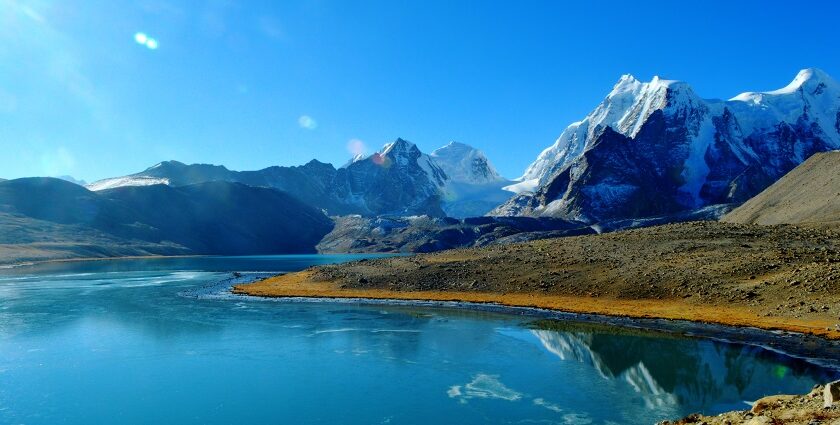
Sikkim is one of India’s most peaceful and scenic travel destinations, tucked quietly in the northeastern Himalayas. Surrounded by snow-covered peaks, green valleys, and ancient monasteries, this small state offers a travel experience that feels both refreshing and grounding. Unlike crowded hill stations, Sikkim invites travelers to slow down, breathe deeply, and truly connect with nature and culture.
This travel guide will help you understand why Sikkim is special, what to see, and how to plan a memorable journey.
Why Sikkim Should Be on Your Travel List
Sikkim stands out for its cleanliness, disciplined tourism, and deep respect for nature. Plastic is restricted, roads are well-maintained, and locals take pride in preserving their surroundings. The air feels fresher, the pace of life calmer, and the overall environment more mindful compared to many other tourist regions.
Another reason Sikkim is unique is its cultural harmony. Multiple communities live together peacefully, blending traditions, food, festivals, and languages into one rich cultural identity.
Best Time to Visit Sikkim
The best time to visit Sikkim depends on your travel goals:
- March to May (Spring): Ideal for sightseeing, flowers, and pleasant weather
- June to August (Monsoon): Lush landscapes, but landslides may affect travel
- September to November (Autumn): Clear skies and stunning mountain views
- December to February (Winter): Cold weather with snowfall in higher regions
For first-time visitors, spring and autumn are the most comfortable seasons.
Top Places to Explore
Gangtok
The capital city is the starting point for most trips. Gangtok offers a mix of modern cafés, local markets, monasteries, and viewpoints with Kanchenjunga views.
Tsomgo Lake
Located at high altitude, this glacial lake changes colors with the seasons. Surrounded by mountains, it is one of Sikkim’s most photographed spots.
Pelling
Known for panoramic views of the Kanchenjunga range, Pelling is perfect for travelers who enjoy quiet towns, monasteries, and nature walks.
North Sikkim (Lachung & Yumthang Valley)
This region feels untouched and dramatic, with waterfalls, hot springs, and alpine landscapes. Yumthang Valley is especially beautiful during spring.
Food and Local Experiences
Sikkimese cuisine is simple, warm, and comforting. Popular dishes include momos, thukpa, gundruk, and traditional soups that suit the cold climate. Eating at local homes or small eateries gives you an authentic taste of the region and its hospitality.
Homestays are highly recommended, as they offer cultural insight and personal connections with local families.
Adventure and Nature Activities
Sikkim is ideal for soft adventure lovers and serious trekkers alike. Activities include:
- Trekking to Dzongri and Goecha La
- River rafting on the Teesta River
- Nature walks and bird watching
- Photography of landscapes and monasteries
Every activity here feels closely tied to nature rather than commercial tourism.
Travel Tips for Sikkim
- Permits are required for some areas like Nathula Pass and North Sikkim
- Carry warm clothing even in summer
- Respect local customs and monasteries
- Avoid plastic and keep surroundings clean
- Travel with flexible plans due to weather conditions
Final Thoughts
A trip to Sikkim is not just a vacation—it’s a gentle reminder of how beautiful life can be when lived slowly and responsibly. From mountain views and spiritual spaces to warm people and quiet moments, Sikkim leaves travelers with lasting memories. Whether you’re planning your journey or exploring information online, platforms like sikkim game login are often searched by travelers looking to connect digitally while enjoying the calm of this Himalayan paradise.