
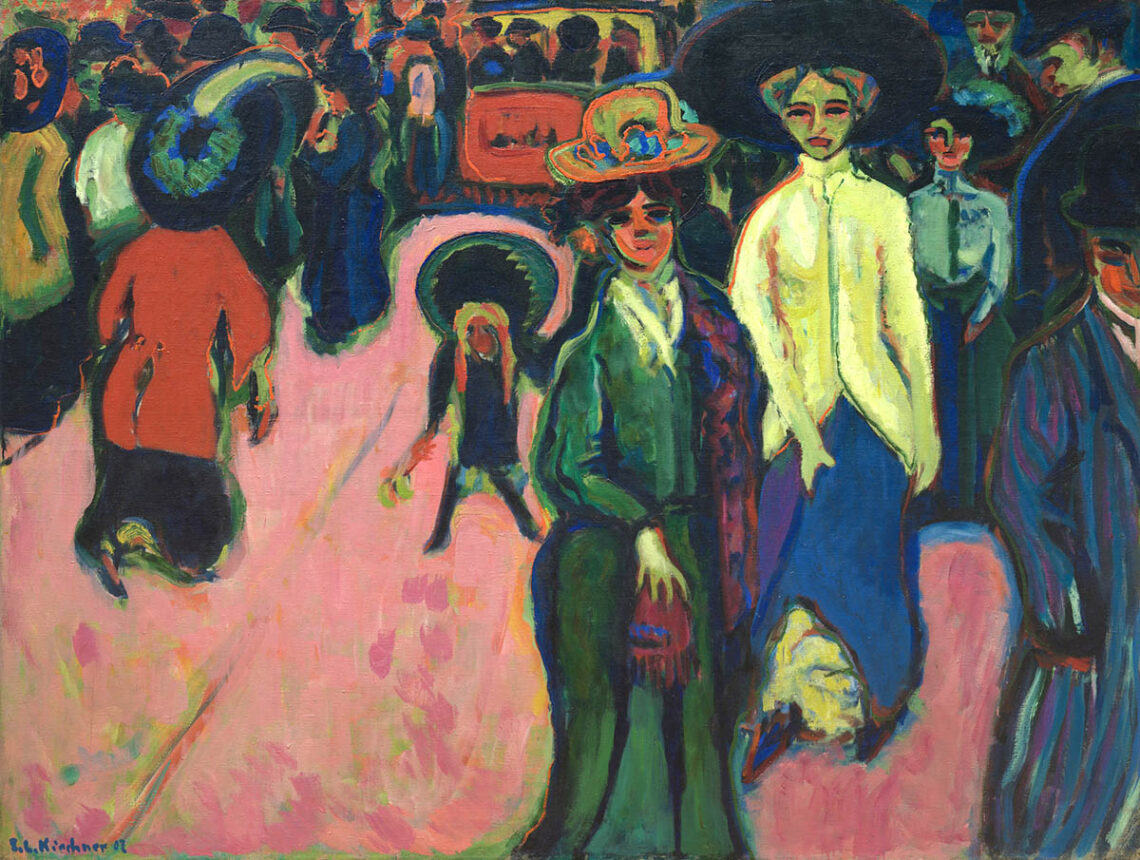
Contemporary art gives a parallel movement where the new ideas and influences of the artists are appreciated, while the influences and ideas of the past are honoured. For those wanting to understand or enjoy the work, contemporary art styles have to be appreciated. In this blog, you’ll find tips to help engage with contemporary art at a thoughtful level in order to understand the expression of the artist.
1. Understand the Media Used
The contemporary art of Australia spans a plethora of mediums, such as painting, video or performance art, photography, sculpture, and even art installations. Each of these media influences the depth and breadth of the engagement. Some viewers may only see the canvas, while others may see the varying layers, the brushstrokes, or the way light and space interact in an installed work.
2. Explore Different Styles
Australian Art is characterised by a variety of styles, with examples like hyperrealism or photorealism. For instance, abstract art expresses the challenges of perception and emotion, whereas photorealism captures intricate detail and tends to evoke introspection. Moreover, broadening your exploration allows you to identify the styles that eloquently communicate specific ideas that resonate with you.
3. Learn About the Artist
The artist’s biography and influences can enrich your understanding of a given work. The relationship of an artist to a given geo-zone, or people, especially when it is a work of art involving a historical theme, is significant. These contextual details enrich your understanding of a work, allowing you to connect the layers of emotion and intellectual effort invested and the skill of the artist beyond the mere aesthetics.
4. Consider the Cultural Context
Artworks can reflect commentary on society and identity, so recognition of the context helps in analysing the perspective and broad message of the artwork. Understanding culture also assists in the interpretation of the symbol, paint colour, paint medium, and the focus of the artwork. It assists in seeing the artwork, which implies that each artwork has a broad idea beyond the context of the artwork.
5. Observe the Techniques Closely
Meaning and expression in Contemporary Art are driven by the use of certain articulation techniques that an artist uses in the artwork. Observing a single technique broadens and deepens the understanding of the knowledge of an artist and the purpose of the artwork. For example, the use of a colour may evoke an emotion, while the use of a blunt colour and perfectly straight lines offers clarity.
6. Engage With Art in Person
Lots of galleries allow visitors to view art in person to receive full representations of texture, size, and other details that digital representations lack. Personal appreciation is achieved by viewing art from a distance and moving to a closer view to inspect the details to complete the composition. Personal relationships are established with the art through appreciation that cannot be achieved digitally.
7. Reflect and Interpret Personally
The final component of contemporary art and its appreciation is the eliciting of personal reflections. While an individual justification of the art does directly oppose the historical appreciation concept, the individual view is still valuable. Connecting your interpretations and assimilating the artwork evoking singular emotions that are of spatial value is what makes contemporary art an individual justification.
Bringing Contemporary Art Into Your Life
Engaging with contemporary Australian art is an exercise in exploration and discovery through the integration of seeing and interpreting art personally. Your involvement in the art ecosystem through the purchase of works and the support of artists also enhances your environment. Thoughtful integration of contemporary art provides Australians with the opportunity to explore their connection to the culture.