
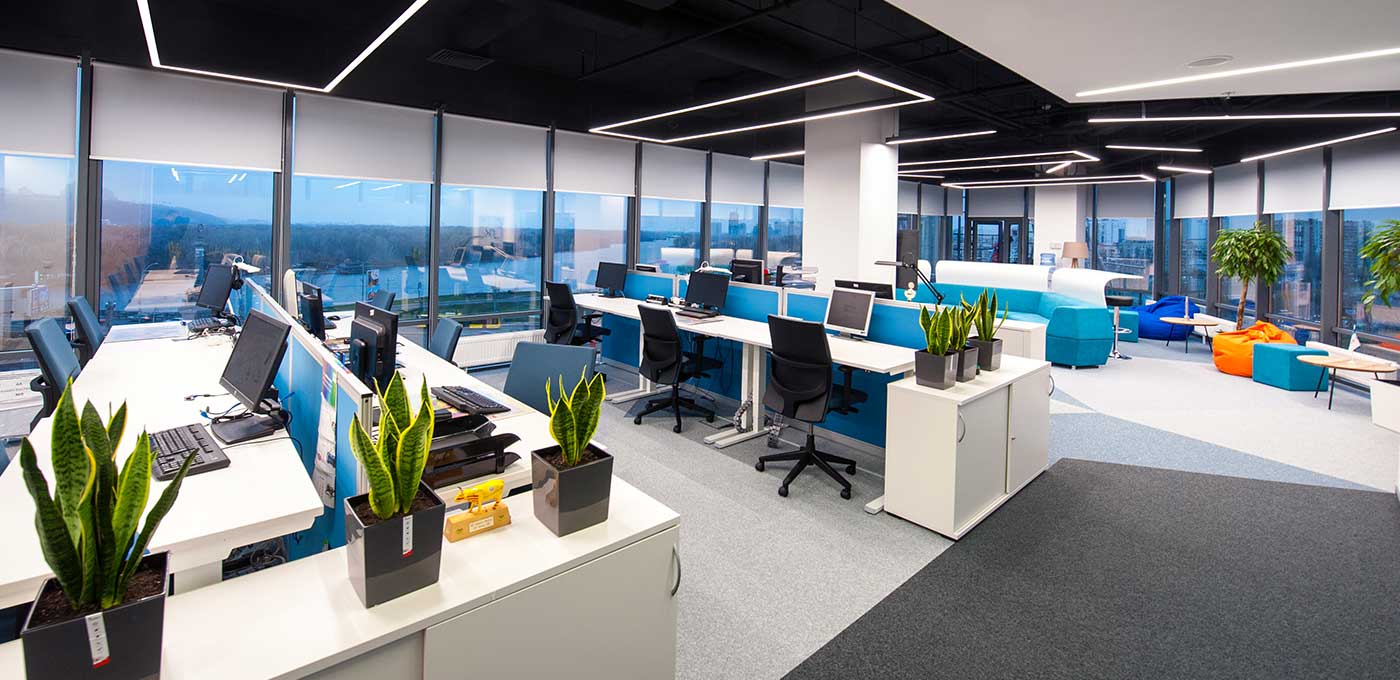
A responsive workplace fitout integrates style and team needs and begins with a productive office. A productive workplace fitout increases the effectiveness of office workflows, improves the well-being of employees and reflects the company’s values. This blog provides steps to design and construct a workplace fitout to support the inspiring and high-performance operations of a workspace.
Step 1: Discovery and Assessment
During discovery, the team size, roles, expected workflows, and company culture are all considered to flag what will be essential. Evaluation of the current workspace design and usage, combined with staff surveys, enables the identification of gaps and the optimisation of space design. This foundation enables design decisions to be made with added support from the internal and external optimised space design.
Step 2: Concept Development
Once your requirements are crystal clear, it is time to convert them into visual concepts. At this point, think about the office furniture, colour schemes, lighting, and tech integration options so that the office design fosters workflow and the comfort of your workers. Office Fitouts allow you to make adjustments, which is the most important stage in creating a workspace that is both inspiring and practical.
Step 3: Letter of Intent
Once the concept has been agreed upon, a Letter of Intent is required to formalise the project. This document secures a budget and design scope and sets the expectations of the project. With this in place, you can avoid misunderstandings, and you can outline the next steps of the project. This document puts down a clear plan, giving you the assurance that the project partners will adhere to the standards.
Step 4: Detailed Documentation
Now that you’ve received the necessary approvals, the next stage of the project is thorough documentation. This includes detailed construction drawings, specifications, joinery details, and construction guides that address every part of the build. Moreover, documentation focuses on alignment with the approved design, helping to mitigate the chances of mistakes during construction.
Step 5: Project Contract and Compliance
Next, drafting a project contract completes the project scopes and includes the timeline and budget. At this point in the process, the acquisition of building permits and ensuring the project adheres to code. Addressing contract, code, and compliance issues helps mitigate the chances of schedule slippage. The contract also includes quality expectations and how the channels of communication should be managed.
Step 6: Construction and Execution
Construction is carefully managed, along with the other elements of the fitout, to bring everything to life. Each stage of the process is overseen by a lead project manager, who ensures everything is completed by the deadlines while also meeting the quality standards. Constant construction communication allows for any adjustments to be made without delaying the project.
Step 7: Post-Completion Support
Post-completion evaluations identify any adjustments needed, ensuring systems, furniture, and layouts meet practical requirements. The value of the fitout is sustained by post-construction support, which inspires and aids the workspace for a long time, even after finishing construction. Don’t forget that addressing minor adjustments early on allows you to maintain the flow of the workspace, which is vital.
Step 8: Handover and Workplace Onboarding
The final stage includes a formal handover of documentation, warranties, and compliance certificates, along with final walkthroughs to confirm everything functions as planned. Orientation sessions help teams understand how to use new spaces, technology, and systems effectively. A structured handover ensures the office is not just finished but fully ready for daily operations from day one.
Achieving Productivity Through Thoughtful Fitouts
A good office fitout is achieved when there is integrated design, planning, and delivery. Such fitouts create a workspace that drives productivity and engenders a sense of collaboration and community. With a good fitout, office space is transformed from being dated and inefficient to highly functional. Thought-out design and skilful implementation are cornerstones of successful office fitouts.