
Preparing for a hurricane does not have to be complicated. A clear plan, a few upgrades, and steady habits can lower risk in a big way. You do not need to do everything at once. Focus on the steps that protect your most vulnerable spots.
Start early and work in short bursts. Walk your property with a notepad and mark weak points. Group tasks by weekend or paycheck. The goal is steady progress that sticks all year.
Map Your Risk And Timeline
Know your local hazards before you buy supplies. Wind speed, surge, and flooding vary by neighborhood. Your plan should match the exact threats where you live and work.
Build a simple timeline that starts 72 hours before landfall. Add tasks for 48 and 24 hours out. Keep the list short so you can finish it under stress.
Track your alerts across two channels. Use phone warnings and a local radio station. Redundancy helps when networks fail.
A National Weather Service overview notes that an average Atlantic season brings many tropical systems, and about half intensify into hurricanes. That steady pace is a reminder to prep in spring, not just when a storm forms.
Secure Openings Before The Wind Arrives
Windows and doors take the first hit during wind events. Broken glass lets pressure and rain surge inside. That is how roofs lift, and rooms flood.
Permanent upgrades make the biggest difference mid-storm, and many homeowners choose hurricane windows as part of a whole-home plan. They resist wind-borne debris and keep the envelope intact. If you cannot upgrade yet, plan temporary panels and hardware.
Check fit and fasteners long before a watch is issued. Label panels by room so installation is fast and calm. Store extra screws and drill bits with the panels.
Do not forget side doors and small bathroom windows. Even one failure can pressure the house. Cover every opening, including pet doors.
Reinforce Doors And Garage
Entry doors need three long hinge screws per hinge. Add a heavy-duty strike plate on the latch side. This reduces the chance of a blowout when gusts hit.
For double doors, use top and bottom flush bolts. Engage them fully before the storm. Check that thresholds are sealed to the floor.
Garage doors are a weak link because of their size. Add a rated bracing kit if your door is not wind-rated. Lock the door and unplug the opener so it cannot cycle.
Seal the door perimeter to keep water out. Test weatherstripping with a hose on a dry day. Replace strips that leak or sag.
Roof, Attic, And Gable Care
Your roof keeps everything below it safe. Start with a ground scan for missing shingles or loose tiles. Binoculars help you spot lifted edges.
In the attic, look for daylight at the ridge or eaves. Mark any gaps and plan a weekend fix. Staple or tape duct seams to prevent moisture spread.
Gable ends can rack in high winds. Add braces that tie studs to rafters. Secure soffits so they do not peel away.
Quick Roof Check:
- Replace lifted shingles and seal nail heads.
- Refasten loose flashing at chimneys and vents.
- Clear the ridge and soffit vents of nests or debris.
- Trim branches that overhang or scrape the roof.
Drainage, Yard, And Outdoor Hazards
Water goes where it wants, so make a path that misses your house. Clean gutters and downspouts. Extend leaders 6 to 10 feet from the foundation.
Walk the yard and pick up loose items. Patio chairs, toys, and grills can turn into projectiles. Store them in a garage or tie them down low.
Fence panels can act like sails. Reinforce posts at corners and gates. Latch gates and remove temporary panels before a watch.
Check that pool levels are normal. Do not drain pools ahead of time. Lower the equipment breakers and protect pumps from rising water.
Power, Water, And Comms Backups
Think in layers for power. A whole-home generator is great, but small backups help too. Charge battery packs and check flashlights.
Store at least a 3-day water supply for each person. Keep a manual can opener and shelf-stable foods. Rotate supplies every 6 months.
Create a simple charging station. Label cables, stash spare cords, and add a car charger. Print a contact list in case phones fail.
Bare-Minimum Emergency Kit:
- Flashlights, headlamps, and spare batteries.
- First aid kit and basic meds.
- Portable radio and whistle.
- Work gloves, tarps, and duct tape.
Documents, Insurance, And Permits
Scan key documents and save them to two places. Keep paper copies in a dry bag. Include IDs, policies, and home photos.
Talk to your insurer about wind coverage and deductibles. Ask what proof they require after a loss. Store your agent’s number with your go-bag.
When you buy shutters, doors, or glazing, look for approved ratings. Miami-Dade County maintains a Product Control approvals database that lets you verify storm-rated products by certificate or listing, which helps you avoid untested gear.
Label upgrade receipts and manuals. This supports claims and resale value. Keep a simple spreadsheet of dates and model numbers.

Vehicle, Fuel, And Fire Safety
Keep tanks at least half full during the season. Long lines form when watches are posted. Top off early and store fuel safely outside living areas.
Test your car’s tires and wipers. Pack a small roadside kit. Add a paper map in case the GPS drops out.
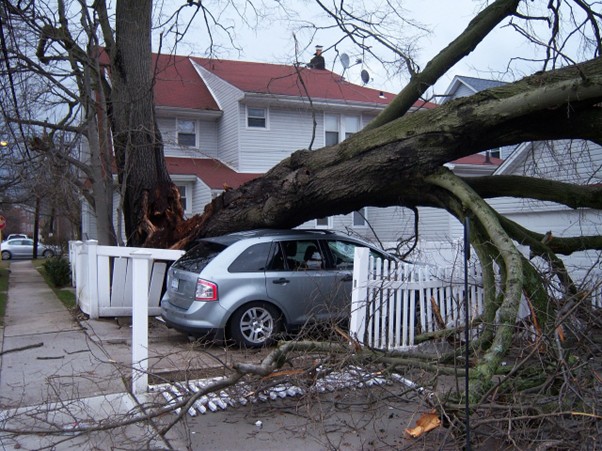
Move vehicles to higher ground if flooding threatens. Avoid parking under large trees. Set the parking brake on sloped driveways.
For generators, run them outdoors and far from windows. Use heavy-duty cords sized for the load. Let engines cool before refueling.
Neighborhood Coordination And Communication
Share your plan with neighbors. Agree on check-in times and meeting spots. A small network speed helps when roads are closed.
Swap contact info and special needs. Note who has medical training or tools. Share spare panels or sandbags.
Plan for pets together. Know which shelters accept animals. Keep extra pet food in a sealed bin.
After the storm, coordinate debris piles. Keep them clear of hydrants and drains. Mark downed lines and call utilities.
You get the most from storm prep by starting early and repeating the basics. Small upgrades add up and stick when life gets busy. Make a plan you can sustain through the whole season.
Use this guide as a checklist you revisit each spring. Bring in pros for work that is above your skill level. The goal is a safer home and a faster recovery after the wind and water pass.