
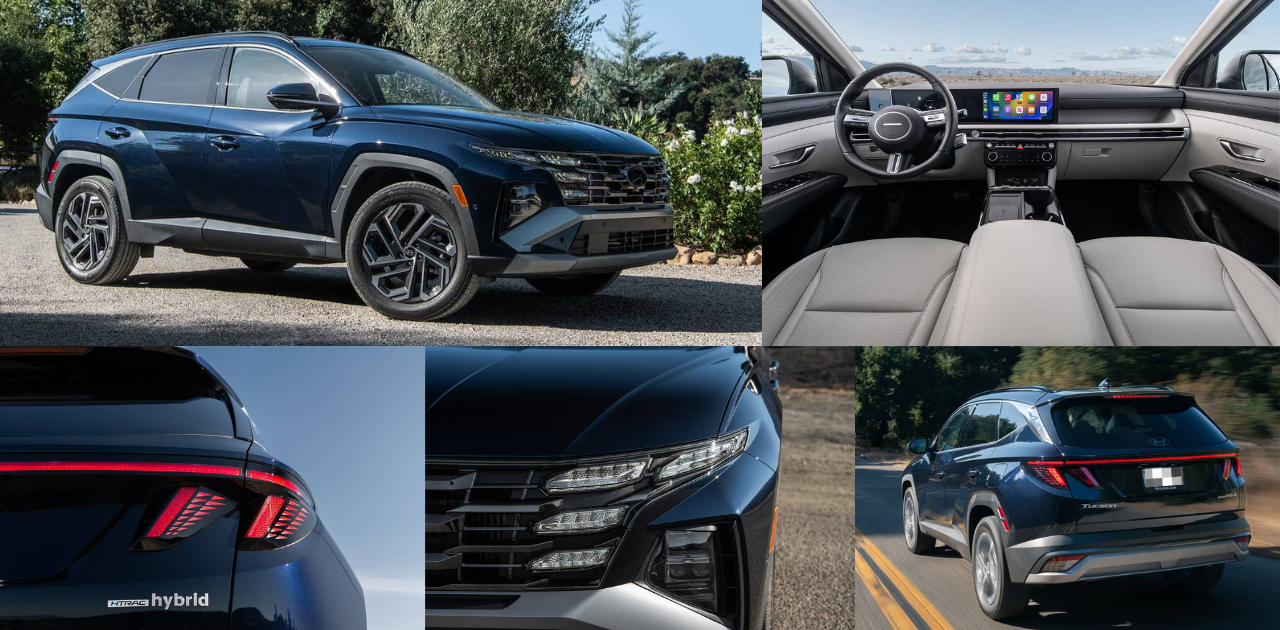
Hybrid cars have gained immense popularity among drivers seeking fuel efficiency, eco-friendliness, and reliability, especially for long-distance travel. By combining an internal combustion engine with an electric motor, hybrid vehicles offer impressive mileage, reduced emissions, and a smoother driving experience.
This article explores the best hybrid cars for long distance travel, their features, pros and cons, and factors to consider when choosing a hybrid for extended journeys.
Why Choose a Hybrid Car for Long Distance Travel?
Hybrid vehicles are ideal for long-distance trips due to the following advantages:
-
Fuel Efficiency: Hybrids consume less fuel than conventional vehicles, making them cost-effective on extended journeys.
-
Environmental Benefits: Reduced carbon emissions contribute to greener travel.
-
Comfortable Driving Experience: Many hybrids offer quiet cabins, smooth acceleration, and advanced suspension systems.
-
Reliability: With fewer wear-intensive components than fully electric cars, hybrids are often well-suited for long trips.
Additionally, hybrids provide peace of mind in areas where charging stations are limited, unlike full-electric vehicles.
Top Hybrid Cars for Long Distance Travel
| Car Model | Fuel Efficiency (mpg) | Range (miles) | Notable Features |
|---|---|---|---|
| Toyota Prius | 54 city / 50 highway | 600+ | Proven reliability, spacious interior, advanced safety features |
| Honda Accord Hybrid | 48 city / 47 highway | 600+ | Comfortable seating, strong acceleration, user-friendly infotainment |
| Lexus ES 300h | 44 city / 43 highway | 650 | Luxury cabin, smooth ride, high-end tech features |
| Hyundai Ioniq Hybrid | 58 city / 60 highway | 650 | Excellent fuel economy, aerodynamic design, budget-friendly |
| Kia Niro | 50 city / 54 highway | 600 | Crossover versatility, ample cargo space, modern safety tech |
| Ford Escape Hybrid | 44 city / 37 highway | 600 | SUV comfort, AWD option, robust infotainment system |
These models combine efficiency, comfort, and reliability, making them excellent choices for travelers covering long distances regularly.
Factors to Consider When Choosing a Hybrid for Long Distance Travel
1. Fuel Efficiency and Range
Long-distance drivers should prioritize hybrids with high mileage and extended range to minimize stops and save on fuel costs.
2. Comfort and Interior Space
For long journeys, comfort is crucial. Consider seat ergonomics, legroom, cabin noise levels, and climate control systems.
3. Safety Features
Advanced driver assistance systems (ADAS), lane-keeping assist, adaptive cruise control, and collision prevention systems enhance safety during long drives.
4. Cargo Capacity
Ensure the vehicle has enough storage for luggage, especially for family trips or extended vacations.
5. Reliability and Maintenance
Choose models with proven reliability records and low maintenance requirements. Prior research can prevent costly repairs down the road, similar to considerations when purchasing Used Cars With Low Maintenance Costs.
Pros and Cons of Hybrid Cars for Long Distance Travel
Pros
-
Lower fuel costs due to superior fuel economy
-
Reduced environmental footprint with fewer emissions
-
Smooth and quiet driving experience
-
Eligible for tax incentives or reduced registration fees in some regions
Cons
-
Higher upfront cost compared to conventional vehicles
-
Limited towing capacity for some models
-
Battery replacement costs over long-term ownership
-
Some hybrids perform less efficiently at high speeds or on steep inclines
Tips for Maximizing Hybrid Performance on Long Trips
-
Plan Your Route Efficiently: Combine highways and city roads to optimize fuel consumption.
-
Maintain Regular Servicing: Keep tires, brakes, and hybrid components in top condition.
-
Drive Smoothly: Avoid abrupt acceleration or braking to conserve battery and fuel.
-
Use Eco Mode: Most hybrids offer driving modes that maximize fuel efficiency.
-
Monitor Battery Levels: Understand how the hybrid system distributes energy during extended drives.
Following these tips ensures you get the best performance, efficiency, and reliability from your hybrid vehicle.
Frequently Asked Questions
Are hybrid cars good for long highway drives?
Yes, hybrids are well-suited for long-distance driving due to their fuel efficiency, smooth ride, and combined engine-electric power.
How often do hybrid batteries need replacement?
Most hybrid batteries last 8–10 years or more, depending on usage and climate conditions. Regular maintenance can extend battery life.
Can hybrids handle heavy cargo?
While hybrids can handle everyday loads, towing capacity is generally lower than traditional SUVs. Check manufacturer specifications before hauling heavy loads.
Do hybrids require special fuel?
Most hybrids use regular gasoline, making them convenient for long-distance travel without the need for specialized fuel.
How do hybrids compare to electric cars for long trips?
Hybrids offer greater flexibility in areas with limited charging infrastructure, while full-electric vehicles may require careful planning around charging stations.
Conclusion
Hybrid cars provide an excellent solution for long-distance travel, combining fuel efficiency, comfort, and reliability. Models like the Toyota Prius, Honda Accord Hybrid, and Lexus ES 300h offer high mileage, smooth rides, and advanced features tailored for extended journeys.
By focusing on fuel efficiency, comfort, safety, and maintenance, travelers can enjoy cost-effective and environmentally conscious trips. Just as selecting Used Cars With Low Maintenance Costs ensures peace of mind and long-term savings, choosing the right hybrid for long-distance travel ensures efficiency, convenience, and a stress-free driving experience.