
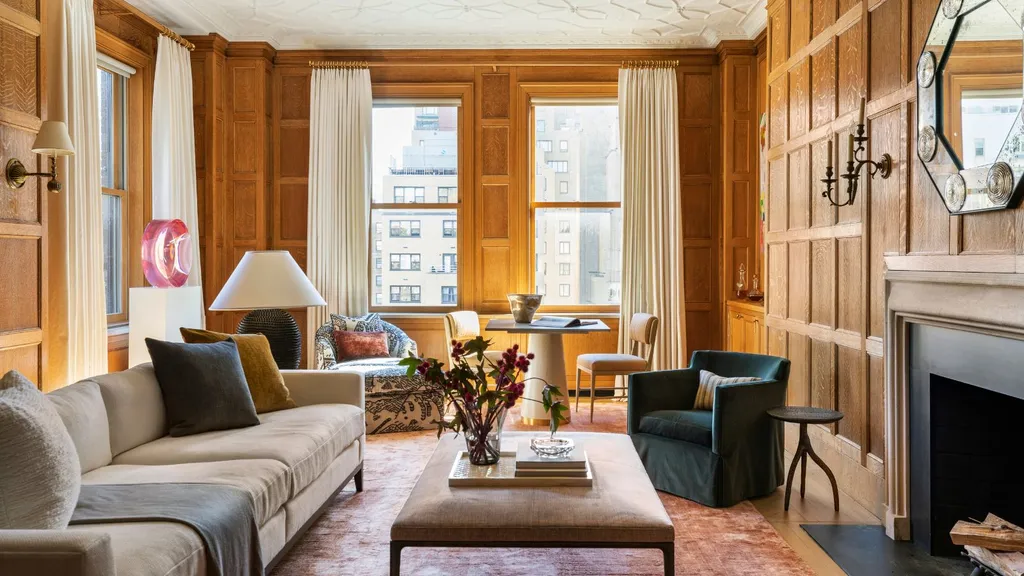
Refined living has always gone beyond luxury for luxury’s sake. At its core, it’s about intention, craftsmanship, and creating spaces that feel balanced, comfortable, and enduring. Today’s high-end interiors reflect a clear evolution: away from flashy statements and toward environments that support everyday life while maintaining a quiet sense of sophistication.
Rather than chasing novelty, designers and homeowners are focusing on thoughtful choices that age well—both visually and functionally. The result is a more mature, grounded definition of luxury that feels personal instead of performative.
Quiet Luxury as a Design Philosophy
One of the most influential movements shaping refined interiors right now is quiet luxury. This approach emphasizes restraint, proportion, and material quality over bold visual impact. Instead of dramatic contrasts or ornate detailing, quiet luxury relies on subtle transitions, harmonious palettes, and impeccable execution.
Many designers seeking to understand this shift look beyond trend summaries and toward deeper editorial analysis, drawing inspiration from long-form perspectives found when writing about luxuryinteriorsorg blog, where refined living is explored through craftsmanship, longevity, and material integrity rather than short-lived aesthetics. Viewing luxury through this lens helps distinguish meaningful design movements from fleeting visual trends.
Quiet luxury creates interiors that feel calm, confident, and timeless—spaces that don’t demand attention but reward it.
Natural Materials With Honest Character
High-end interiors are increasingly grounded in natural materials that reveal, rather than conceal, their origins. Stone with visible veining, wood with pronounced grain, hand-finished plaster, and tactile textiles bring depth and warmth to refined spaces.
What elevates these materials isn’t simply their cost, but the way they are sourced, finished, and installed. Imperfection becomes part of the appeal, adding character and authenticity. These materials also tend to age gracefully, reinforcing the idea that true refinement improves over time.
Fewer Pieces, Stronger Impact
Furniture trends in refined interiors reflect a shift toward intentional curation. Rather than filling rooms with multiple statement pieces, designers are selecting fewer items with stronger presence and purpose.
Sofas, chairs, and tables are often sculptural yet restrained, defined by clean lines softened through proportion and texture. Each piece earns its place, allowing negative space to become part of the design. This approach reinforces the idea that luxury is rooted in discernment rather than abundance.
Layered Neutrals Replace Stark Minimalism
Minimalism remains influential, but it has evolved into something warmer and more nuanced. Instead of stark white spaces, refined interiors now rely on layered neutrals—warm creams, soft taupes, muted grays, and earthy undertones—to create visual depth without clutter.
Texture plays a central role here. Matte finishes, woven fabrics, and subtle tonal variation prevent spaces from feeling flat while maintaining a sense of calm. This evolution allows minimalism to feel livable rather than severe.
Lighting as an Architectural Element
Lighting has become one of the defining features of high-end interiors. Rather than functioning purely as illumination, lighting is treated as an architectural and emotional tool.
Layered lighting plans combine ambient, task, and accent sources to adapt spaces throughout the day. Sculptural fixtures, concealed LEDs, and custom solutions enhance materials and spatial flow while supporting comfort. In refined living environments, lighting shapes mood as much as form.
Personalization Over Generic Luxury
Another defining trend is the shift away from generic luxury aesthetics toward deeply personal spaces. High-end interiors are increasingly tailored to individual lifestyles, values, and routines.
Custom millwork, bespoke furniture, and curated art collections allow homes to reflect the people who live in them rather than a catalog ideal. This personalization elevates luxury by making it meaningful instead of aspirational.
Longevity as a Core Value
Refined living places strong emphasis on longevity. Materials, layouts, and finishes are selected not only for immediate appeal but for how they perform and age over time. This mindset favors durability, repairability, and timeless design.
By prioritizing longevity, high-end interiors align luxury with sustainability, reducing the need for constant updates and reinforcing thoughtful consumption.
Seamless Indoor–Outdoor Continuity
High-end interiors increasingly blur the line between indoor and outdoor spaces. Large openings, cohesive material palettes, and shared visual language create continuity between environments.
This connection enhances comfort and reinforces a lifestyle centered on ease and balance rather than formality, allowing spaces to feel expansive without excess.
Comfort as the Ultimate Expression of Luxury
Perhaps the most defining trend in refined living today is the prioritization of comfort. Plush seating, acoustic consideration, thoughtful layouts, and tactile materials ensure that luxury spaces are meant to be lived in—not just admired.
Comfort transforms refinement from something visual into something experiential. When spaces support rest, conversation, and daily routines, luxury becomes part of everyday life.
High-end interior trends today reflect a deeper understanding of what refined living truly means. It’s no longer about extravagance or constant reinvention—it’s about restraint, craftsmanship, and environments designed to endure. Through quiet luxury, natural materials, and intentional design, refined living continues to evolve into something both elegant and deeply livable.