
Are you experiencing pain when bending your fingers or struggling with finger stiffness? Trigger finger treatment can help you regain full mobility and comfort. Learn about the various treatment options available to address this common condition.
Understanding Trigger Finger Treatment
Trigger finger treatment involves various approaches to manage the inflammation and stiffness associated with this condition. The primary goal of trigger finger treatment is to reduce pain, restore normal finger movement, and prevent long-term complications. When your finger becomes stuck in a bent position or causes discomfort during movement, seeking appropriate trigger finger treatment early can make a significant difference in your recovery. This comprehensive approach ensures you address the root cause while managing symptoms effectively. Your healthcare provider will evaluate your specific situation to determine the best trigger finger treatment strategy for your needs. Professional guidance is essential to avoid complications and achieve optimal outcomes.
What is Trigger Finger and Why Treatment Matters?
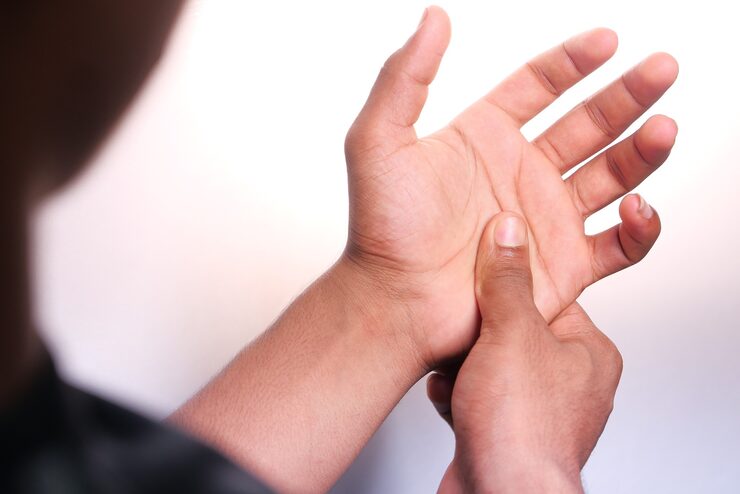
Trigger finger, medically known as stenosing tenosynovitis, occurs when the tendon sheath around your finger’s flexor tendon becomes inflamed. This inflammation causes the tendon to stick inside its sheath, creating the characteristic “triggering” sensation. Understanding why trigger finger treatment is necessary helps you appreciate the importance of addressing this condition promptly. The condition can affect any finger, but it most commonly impacts the ring finger, middle finger, and thumb. Without proper trigger finger treatment, the condition may worsen over time, leading to reduced hand function and chronic pain that interferes with daily activities. Early intervention with appropriate trigger finger treatment can prevent these complications and restore function.
Non-Surgical Trigger Finger Treatment Options
Non-surgical approaches form the first line of defense for most patients experiencing trigger finger symptoms. Rest is one of the most important components of non-surgical trigger finger treatment, as it allows the inflamed tendon sheath to recover. Applying ice packs to the affected area for 15-20 minutes several times daily can reduce inflammation and provide temporary relief. Anti-inflammatory medications such as ibuprofen or naproxen may also be recommended as part of your trigger finger treatment plan. Wearing a splint at night helps keep your finger in a neutral position, preventing the tendon from becoming irritated during sleep. Your doctor may also suggest gentle hand stretching exercises specifically designed for trigger finger treatment. These non-invasive methods work by reducing inflammation in the tendon sheath, allowing the tendon to move more freely through its sheath. Many patients find significant improvement through these conservative trigger finger treatment options alone.
Corticosteroid Injections for Trigger Finger Treatment
For patients who don’t respond to conservative measures, corticosteroid injections represent an effective trigger finger treatment option. These injections deliver medication directly into the tendon sheath, significantly reducing inflammation and often providing relief that lasts for several weeks or months. Corticosteroid injections are minimally invasive and can be repeated if symptoms return. Many patients find that corticosteroid injections, as part of their trigger finger treatment regimen, allow them to avoid surgery altogether. The procedure is typically quick, performed in an office setting, and requires minimal downtime. Multiple injection rounds may be administered over time, with spacing intervals to assess treatment effectiveness. Success rates for corticosteroid injections in trigger finger treatment are quite high, with many patients experiencing complete symptom resolution after one or two rounds of treatment.
When Surgical Trigger Finger Treatment Becomes Necessary
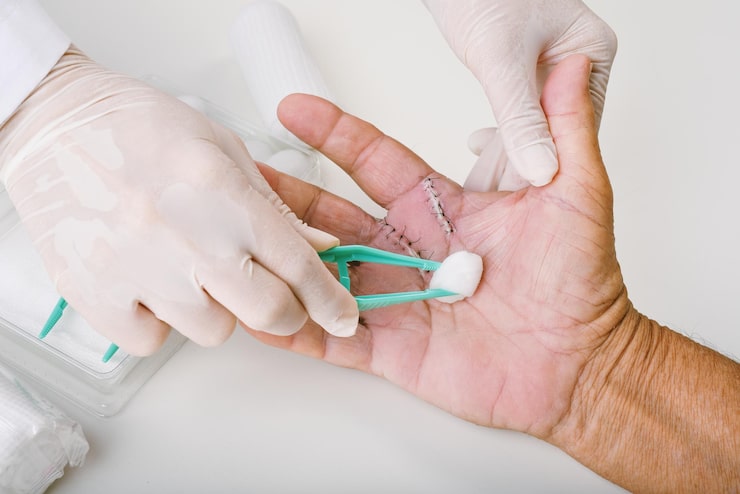
When conservative measures and injections fail to provide lasting relief, surgical trigger finger treatment may be the next step. The most common surgical procedure is called a trigger finger release or surgical decompression. During this procedure, a surgeon carefully cuts the tendon sheath to allow the tendon more room to move freely. This surgical trigger finger treatment is considered highly effective, with success rates exceeding 90 percent. The surgery is typically performed under local anesthesia as an outpatient procedure, meaning you can usually go home the same day. Recovery from surgical trigger finger treatment generally takes several weeks, though most patients notice immediate improvement in their symptoms. Physical therapy following surgical trigger finger treatment helps restore full finger mobility and strength. For patients with severe or recurring symptoms, surgical trigger finger treatment offers a more permanent solution compared to non-surgical approaches.
Recovery and Prevention After Trigger Finger Treatment
The recovery period following your trigger finger treatment depends on which approach you chose. After non-surgical trigger finger treatment, most patients can resume their normal activities within days, though they should continue taking precautions to avoid re-aggravating the condition. Following surgical trigger finger treatment, you’ll need to restrict hand activities for about 2-4 weeks, gradually increasing activity levels as your finger heals. Preventing trigger finger from recurring after treatment involves maintaining good hand ergonomics, taking regular breaks during repetitive activities, and performing stretching exercises. Wearing protective gear during activities that stress your hands can also help prevent recurrence. Learning proper hand positioning and movement techniques is crucial for long-term success after any trigger finger treatment. Some patients benefit from occupational therapy sessions that teach them techniques to protect their hands and prevent symptoms from returning.
Conclusion
Trigger finger treatment offers multiple effective options, ranging from conservative approaches to surgical interventions. Whether you choose non-surgical methods, injections, or surgery, the key is to address the condition promptly to prevent long-term complications. Consult with a qualified healthcare provider to determine the best trigger finger treatment plan for your specific situation. Many patients find relief through a combination of approaches, and early intervention typically leads to better outcomes. Don’t let trigger finger limit your activities—explore your treatment options today and take the first step toward recovery. For more information on professional sports medicine treatment options, visit sports medicine trigger finger treatment for expert guidance.