
Modern shoppers want more from their accessories than just a pretty sparkle. They look for stories of ethics and care behind every piece they wear. This shift in mindset is making the industry rethink its core values.
This change influences how designers work and how shops stock their shelves for customers. Choosing a ring or necklace now involves thinking about the planet and the people involved. It is a new era for luxury goods.
Rising Consumer Interest
Shoppers are placing greater focus on the origins of luxury goods. A 2025 report found that 78% of American jewelry buyers consider ethical sourcing when making a purchase. Many consumers want confidence that their choices do not contribute to environmental or social harm.
This marks a sharp rise from earlier years, when 52% expressed similar concerns. Buyers increasingly expect fair wages and safe working conditions across supply chains. Questions about sourcing and labor practices now shape purchasing decisions.
Brands are meeting this demand by offering clearer insight into production and sourcing. Greater transparency builds credibility with customers who value accountability. Industry commentary suggests sustainability now plays a central role in jewelry marketing and brand identity.
The Appeal Of Modern Alternatives
Finding the right piece often means looking beyond old options. Modern tech offers beautiful items without heavy mining. It is easier to find high-quality styles that match a unique look.
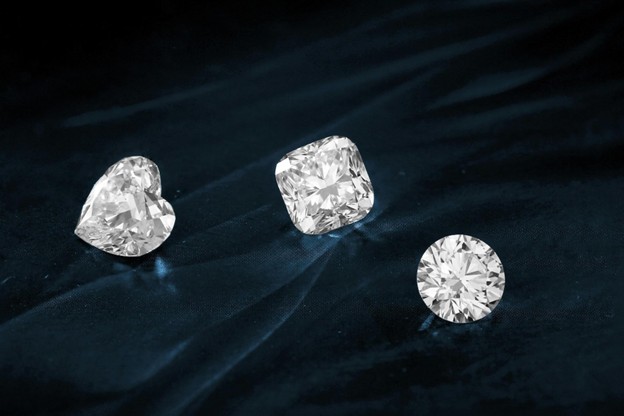
Many people want jewellery that reflects their personal values. Many shoppers now choose After Diamonds lab‑grown diamonds, for example, to avoid ecological damage entirely during a search for rings. These stones look identical to mined ones, but skip the heavy earth-moving process.
The shift toward these choices is driven by a desire for beauty. People want to feel good about what they wear on a wedding day. This trend shows no signs of slowing down soon.
Moving Toward A Greener Market
The shift toward eco-friendly luxury is moving fast across the globe right now. One market study suggests the ethical jewelry market is on track to hit $97.8 billion by 2032. This growth shows that green choices are becoming the standard.
Companies are adopting several green strategies to meet this rising demand from the public:
- Switching to 100% recycled gold and silver for new collections.
- Using renewable energy in manufacturing plants to lower power use.
- Offering repair services to keep items in use for longer periods.
Sustainable Business Models
These changes help the industry grow at a rate of 8.9% every year. A blog post explained that sustainable practices aim to reduce damage by using recycled metals and lab stones. Businesses see that doing the right thing is good for their long-term success.
Environmental Challenges In Luxury
Carbon emissions have become a pressing issue in the watch and jewelry sectors. Industry findings point to climate change as a leading challenge for brands today. Companies face growing expectations to reduce their environmental footprint and respond with measurable action.
Lowering CO2 output remains a priority for businesses aiming to retain consumer trust. Many are adjusting supply chains, limiting shipping distances, and reducing plastic packaging. These operational changes help decrease the impact of high-end products.
Some brands are turning to recycled metals to limit new mining activity. Reports highlight lab-created gems as alternatives with reduced environmental strain. These strategies conserve energy and natural resources across the production cycle.
Measuring The Cost Of Diamond Extraction
Mining natural diamonds leaves a significant physical impact on the surrounding land. Research shows that extracting a single carat can disturb close to 100 square feet of earth. This level of disruption can damage plant life and affect soil quality for extended periods.
Conventional extraction requires moving vast quantities of material. Estimates suggest that around 1,750 tons of earth may be shifted to recover one carat of gemstone. Such large-scale excavation can create lasting environmental strain in mining regions.
These figures are difficult to grasp without clear data. Reviewing measurable impacts allows buyers to weigh environmental considerations more carefully. Access to transparent information now plays a larger role in modern purchasing decisions.
Protecting Forests And Global Growth
Traditional mining can lead to deforestation and habitat disruption in many regions. Lab-created stones reduce the need for large-scale extraction, limiting damage to forests and wildlife. Choosing these alternatives helps preserve ecosystems that countless plant and animal species depend on.
Advanced gemstone production is gaining significant economic momentum. Industry experts valued the lab-grown market at $29.46 billion in 2025. This figure highlights strong consumer demand and steady technological progress within the sector.
Forecasts estimate the market could reach $91.85 billion by 2034. Rising interest signals a lasting shift in attitudes toward luxury and sourcing. Brands and buyers are responding to changing expectations around sustainability and innovation.
Jewelry is no longer just about fashion or showing off wealth to others. It is a way for people to express their values and protect the world around them. This connection makes every piece feel more special.
Every small choice makes a difference in the long run for the environment. Wearing a beautiful piece of art feels even better when it comes from a place of kindness. The future of the industry looks bright and green.