
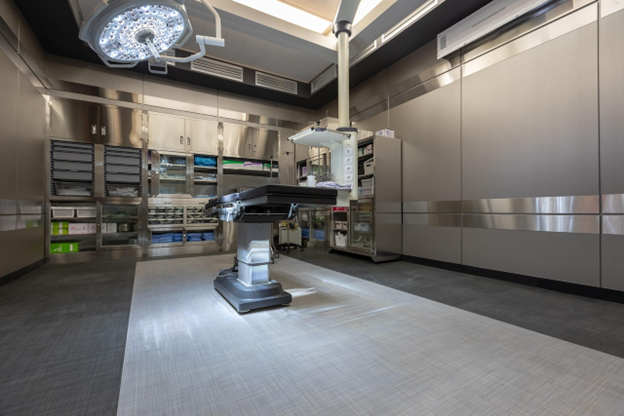
Building a new medical office is a complex task. You have to balance comfort for your patients with speed for your medical team.
Every room needs to function well and stay clean. Finding the right tools and furniture takes time and research. A well-organized space helps everyone feel more relaxed during their visit.
Privacy Solutions For Patient Care
Privacy is a major factor in how patients feel about their care. Most facilities choose Cubicle Curtain Factory curtains, or similar medical-grade fabric barriers to separate patient beds. These items create a private zone where doctors can talk with their patients.
High-quality materials resist stains and stay durable. Proper separation helps patients feel safe and comfortable. You can pick colors that match your brand or stay with neutral tones.
These curtains need to be easy to slide along a track. Staff should be able to pull them closed with one hand. This allows for quick access during emergencies or routine checks.
Planning For Speed And Quality
Healthcare projects often need to finish on a very tight schedule. A design magazine recently noted that aggressive timelines are driving a broader array of solutions across both design and construction.
This means you must plan every step before you break ground. Waiting for materials can cause a lot of stress for your team.
Working with experienced builders can help you avoid common mistakes. You want a layout that keeps the most used equipment within reach. If a nurse has to walk too far for supplies, it wastes time.
A smart floor plan considers the path of the patient from the front door to the exit. This flow makes the whole day run much smoother.
Choosing Durable Clinic Furniture
Furniture in a clinic needs to be much stronger than the items in a home. Chairs and tables face constant use by people of all sizes. You need materials that can withstand harsh cleaning chemicals without fading. It helps to select styles that look professional but feel welcoming to guests.
Waiting room chairs should be sturdy and easy to stand up from. Since some patients have mobility issues, firm cushions are a better choice.
You might want to pick chairs with arms to help people balance. These small details show that you care about the comfort of your guests. Durable frames will last for many years without needing repairs.
Exam tables are the center of the clinical space. They must be adjustable to fit different types of procedures. Look for thick padding that does not crack.
A good table supports the patient and the doctor. Investing in high-quality pieces now will save money on replacements later.
Smart Buying Strategies For Equipment
Buying medical equipment for a large building is a major investment. A legislative report showed that adopting standardized product specifications for bulk purchases dropped the procurement cost for medical equipment by 10%.
Picking a few standard models for your whole building makes maintenance simpler. Your staff will spend less time learning how to use different brands.
Standardized parts are easier to find when something breaks. If every room has the same monitor, you can swap them out in seconds.
This prevents downtime during the busy work week. Plus, buying in bulk often leads to better deals from your suppliers. You can use those savings to improve other parts of the facility.
Managing Supplies For Daily Efficiency
Small items can get lost easily in a busy hospital setting. You need a system that keeps every bandage and syringe in its place. Clear bins and labeled shelves make it easy for nurses to find what they need. This reduces the time spent hunting for gear during a busy shift.
- Keep high-use items at eye level for quick access.
- Use rolling carts for tools that move between rooms.
- Assign a specific spot for every piece of tech.
- Update your inventory list at the end of every week.
- Group similar items together to avoid confusion.
The organization helps with the budget as well. When you know what you have, you do not order extra by mistake.
Modern Tech In Medical Offices
Staff shortages are a common problem in the medical world today. A tech study mentioned that 92% of surveyed healthcare leaders think automation is critical for addressing staff shortages.
Using software to track patient flow can save hours of manual work. This allows your team to spend more time on actual patient care.
Technology can help with managing your equipment. Some systems use small tags to track where a cart is located.
You will never have to search the whole floor for a specific machine again. These tools might cost more at the start, but they pay off in saved time. Efficiency is the best way to keep your staff happy.
Creating A Calm Healing Environment
Proper lighting makes a huge difference in how a room feels. Bright lights are needed for exams, but softer lights help in waiting areas. You should look for energy-efficient bulbs that mimic natural sunlight.
This creates a calm environment for patients who might feel nervous about their visit. Color choices on the walls can affect the mood of the space. Cool blues and greens often make people feel more at ease.
You want to avoid very bright or harsh colors that might cause headaches. A clean and modern look builds trust with your patients. It shows that you run a professional and tidy operation.
Planning a medical facility requires careful thought about every detail. You want to pick items that last a long time and serve your patients well. Smart choices today will make your daily operations much easier for years.