
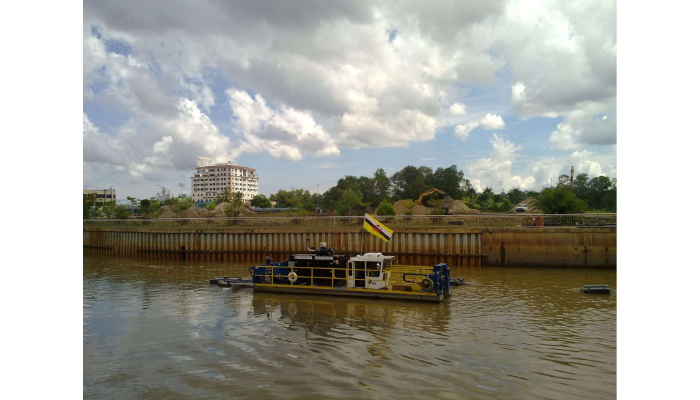
When considering river dredging equipment, understanding the costs is crucial. The global market for such equipment stands at about $5.2 billion in 2024, and it is expected to rise to $7.1 billion by 2030, showcasing an exciting growth trajectory. Prices can range significantly; small portable dredgers start around $15,000 while advanced hopper dredgers may cost over $10.5 million. Factors influencing these prices include the type of dredger, project size and depth of sediment, and even transportation expenses in remote locations. Daily operational costs can be substantial too, ranging from $1,500 to $20,000 depending on multiple factors like fuel and maintenance needs.
1. Overview of Dredging Equipment Costs
The global river dredging equipment market is thriving, currently valued at around $5.2 billion and projected to soar to $7.1 billion by 2030, with a remarkable compound annual growth rate of 5.8%. Dredging equipment costs can vary tremendously, starting from about $15,000 for smaller, portable units and reaching as high as $10.5 million for large hopper dredgers. Factors impacting these prices include the size and capabilities of the equipment, the technology involved, and external economic conditions like supply chain disruptions. Additionally, the rising demand for environmentally friendly dredging solutions may require advanced technologies, influencing overall costs. Regional pricing variations can occur due to local manufacturing capabilities and market competition, making it essential to consider where the equipment is sourced. Opting for new versus used equipment can also lead to significant cost differences, with used dredgers providing a budget-friendly option for many projects. It’s worth noting that financing options and leasing agreements can help manage costs, offering more flexible payment plans. Moreover, government incentives for environmentally sustainable dredging practices could further adjust pricing strategies. As technology advances, particularly with automation and artificial intelligence, the cost landscape may evolve, making it vital to understand the total cost of ownership, which goes beyond initial purchase prices to include long-term operational expenses.
2. Cost Breakdown by Dredger Type
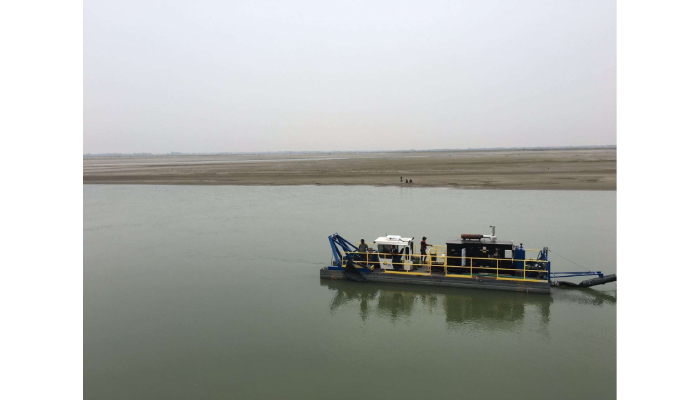
When it comes to river dredging equipment, understanding the cost breakdown by dredger type is vital for budgeting and planning. Portable dredgers, ranging from $15,000 to $100,000, are perfect for small projects like pond or lake dredging. Their affordability makes them an attractive option for local governments or homeowners looking to enhance their water bodies without a hefty investment.
Jet suction dredgers come next, with costs between $30,000 and $160,000. These machines excel in shallow waters and can handle lighter materials, making them suitable for dredging tasks that don’t require extensive digging. For more demanding projects, cutter suction dredgers (CSDs) are a go-to choice. Their price tag varies widely, from $30,000 to a staggering $3.9 million, depending on the complexity and capabilities of the equipment. CSDs are particularly effective in tackling tough jobs involving hard-packed sediment, which is common in riverbed dredging.
At the higher end of the spectrum, hopper dredgers are essential for deep-sea operations, with prices soaring between $2.7 million and $10.5 million. These large vessels are designed for big jobs, capable of transporting significant volumes of dredged material over long distances. Their complexity and capacity reflect their costs, making them a serious investment for large-scale dredging projects.
Each type of dredger brings unique operational capabilities, influencing project budgets. Factors like dredging depth, material type, and maintenance requirements can greatly affect overall costs. Fuel efficiency is another consideration that varies by dredger type, impacting daily operational expenses. Additionally, the resale value of different dredger types can differ significantly, which is crucial for long-term financial planning. For those with limited budgets or temporary projects, rental options provide flexibility without the need for substantial capital investment, allowing teams to choose the right equipment for their specific needs.
3. Portable Dredgers: Price and Use Cases
Portable dredgers are lightweight and easy to transport, making them perfect for small-scale dredging projects. Their price range typically falls between $15,000 and $100,000, making them a cost-effective choice for local municipalities and private property owners. Common applications include maintaining ponds, lakes, and small rivers, where only minimal sediment removal is necessary. These dredgers are also valuable for environmental restoration projects, improving water quality and habitats.
One of the biggest advantages of portable dredgers is their operational simplicity. They can be managed by a small crew, which reduces labor costs and simplifies project management. Their versatility allows them to operate in various terrains, even in remote or hard-to-access locations. Customization options are available, enabling users to tailor the dredgers to fit specific project requirements. Additionally, maintenance tends to be lower than that of larger models, enhancing their appeal for short-term projects.
As technology advances, features like GPS and remote controls are becoming more common in portable dredgers, boosting operational efficiency. For those looking to save on costs, rental services are widely available, providing flexibility for short-term or one-time projects without the need for a large capital investment. This makes portable dredgers an exciting option for anyone looking to tackle smaller dredging tasks!
4. Jet Suction Dredgers: Cost and Applications
Jet suction dredgers are an exciting option for various dredging projects, with prices ranging from $30,000 to $160,000 depending on their size and capabilities. This price range makes them accessible for both small and large projects, particularly in shallow waters like rivers and coastal areas. They’re perfect for removing soft sediments, sand, and silt, which are common in recreational water bodies. These dredgers excel in maintenance dredging, helping to manage sediment accumulation regularly and efficiently.
One of the standout features of jet suction dredgers is their efficient material transport system, which can speed up project timelines and ultimately reduce overall costs. Their lower operating costs, thanks to efficient fuel usage and minimal labor requirements, make them a practical choice for many. Moreover, these dredgers can be deployed quickly, making them ideal for emergency dredging situations or short-term projects.
Jet suction dredgers are incredibly versatile, capable of being adapted with various nozzles and attachments to handle different material types. This adaptability enhances their effectiveness across various applications. Regular maintenance is crucial to keep them performing at their best, but the costs associated with maintaining these dredgers are typically lower than those for larger types. With an increasing focus on sustainable dredging practices, innovations in jet suction dredger technology are making them even more appealing for modern projects.
5. Cutter Suction Dredgers: Price Range and Benefits
Cutter suction dredgers (CSDs) are an impressive piece of equipment, with prices ranging from $30,000 to an astonishing $3.9 million. This wide price spectrum reflects their size and features, making them a significant investment for any dredging project. Designed to tackle tough jobs, CSDs excel at cutting through hard-packed sediments and rocky materials, making them ideal for large-scale operations such as navigation channel maintenance and land reclamation. Their cutting ability allows them to be effective in mining and large construction projects, where dense materials are common. One of the standout benefits of CSDs is their operational efficiency; these machines can maintain high production rates, which ultimately reduces project timelines and costs. Furthermore, their capability to operate in deeper waters provides flexibility for various project needs. However, it is worth noting that CSDs can be complex to operate and may require a skilled crew, impacting labor costs and project management. On the technology front, CSDs can be equipped with advanced attachments, such as GPS-guided systems, enhancing their performance and precision. While maintenance costs can be higher due to their complexity, innovations in design are continually aimed at reducing wear and tear. Investing in a CSD is often considered a wise decision, as its versatility and efficiency can yield high returns across multiple types of projects.
6. Hopper Dredgers: Understanding the Costs
Hopper dredgers stand out as some of the most expensive pieces of dredging equipment on the market, with prices ranging from $2.7 million to an astonishing $10.5 million. This price tag reflects their advanced capabilities, particularly for deep-sea dredging, making them essential for large-scale coastal and harbor projects. One of the key advantages of hopper dredgers is their ability to transport massive volumes of dredged material, which not only reduces the number of trips needed but also enhances overall efficiency in operations.
When considering operational costs, it’s crucial to factor in fuel, maintenance, and crew salaries, expenses that can be quite substantial due to the size and complexity of hopper dredgers. Their dual function of dredging and transporting material simultaneously makes them particularly valuable for projects like land reclamation and beach nourishment.
However, it’s important to note that operating these machines requires specialized training, which can drive up labor costs. Additionally, compliance with environmental regulations can add another layer of expenses to hopper dredging operations, as companies must adhere to strict guidelines to minimize ecological impact.
Due to the significant investment involved, many companies opt for leasing or forming partnerships to share costs and mitigate risks associated with these powerful machines. Technological advancements, such as automated systems, are also emerging to improve the efficiency and effectiveness of hopper dredgers, creating further opportunities for cost savings.
Understanding the economic benefits of utilizing hopper dredgers is essential for justifying their high initial costs, especially for large and impactful projects. In the world of dredging, the investment in a hopper dredger can lead to substantial long-term gains, making them a pivotal asset in the industry.
7. Factors Influencing Dredging Costs
When it comes to river dredging, several crucial factors will shape the costs you should prepare for. First, the type of dredger chosen makes a significant difference. Mechanical and hydraulic dredgers have distinct operational and capital costs, impacting your budget. Additionally, the project size and scope are vital; larger projects typically require more powerful equipment, driving up expenses.
The type of material being dredged also plays a major role. Soft materials like silt are generally easier and cheaper to handle compared to hard rock, which can lead to increased wear on machinery and higher operational costs.
Depth and volume of sediment are key cost drivers too. The deeper and more extensive the dredging, the more resources and time you will need, translating to higher costs.
Transportation and mobilization costs can add up quickly, especially for projects located in remote areas. Proper planning is essential to avoid unexpected expenses in this area.
Don’t forget about permitting and environmental compliance. Navigating regulations can be complex and may require extensive documentation and inspections, adding another layer of costs to your project.
Labor costs should also be factored in, as different dredger types and project complexities may necessitate skilled operators, whose wages can vary significantly.
Finally, keep an eye on external factors like weather and market conditions. Adverse weather can lead to operational delays, while fluctuating fuel prices and equipment availability can affect your overall budget. Understanding these factors is essential for accurate project cost estimation and effective budgeting.
- The type of dredger chosen plays a critical role in determining overall costs, with mechanical and hydraulic options differing significantly.
- Project size and scope can lead to increased costs, as larger projects necessitate more powerful and efficient equipment.
- Material type significantly affects operational efficiency, with soft materials being easier and cheaper to dredge compared to hard rock.
- Depth and volume of sediment to be dredged are key cost drivers, as deeper and larger volumes require more resources and time.
- Transportation and mobilization costs can escalate, especially for remote locations, requiring careful planning in project budgets.
- Permitting and environmental compliance can introduce additional costs, as regulations must be adhered to, which may involve extensive documentation and inspections.
- Labor costs vary based on dredger type and project complexity, requiring skilled operators for specialized equipment.
- Weather and environmental conditions can influence operational efficiency, potentially leading to delays and increased costs.
- Market conditions, such as fuel prices and equipment availability, can impact overall project budgets significantly.
- Understanding these factors is essential for accurate project cost estimation and budgeting.
8. Operating Costs of Dredging Equipment
Operating costs for dredging equipment can be quite significant, often ranging from $1,500 to $20,000 per day. This variance largely depends on the type of dredger you are using and its efficiency. Fuel is a major factor in these costs, especially for larger dredgers that consume more resources. Labor costs also play a crucial role, as skilled operators are essential for both safety and efficiency during operations.
Routine maintenance is another necessary expense to ensure the equipment runs optimally, with costs differing based on the type of dredger and how frequently it is used. Additionally, if the dredging work disturbs contaminated sediments, environmental remediation expenses could arise, adding to your overall operational budget.
Insurance and liability costs cannot be overlooked either; they provide protection against potential accidents or damage, which is vital in the high-stakes environment of dredging. Regular inspections and compliance with safety regulations also incur expenses, but they are essential to maintaining a safe operational environment.
Incorporating technology, such as GPS and automated systems, can greatly enhance efficiency, but it may also lead to higher initial investments and ongoing operational costs. Understanding these operational costs is crucial for effective budgeting and financial planning. By tracking and managing these expenses closely, you can optimize project profitability and enhance overall efficiency.
9. Additional Considerations for Dredging Projects
When embarking on a dredging project, there are several additional factors that can influence costs and outcomes. Customization options for dredgers can add anywhere from 10 to 25 percent to the initial costs, depending on the features you choose. This could include advanced controls or specialized attachments that enhance performance. Regular maintenance is another crucial aspect, typically costing about 5 to 10 percent of the purchase price annually. Investing in high-chrome alloys and advanced materials can help reduce wear and save on maintenance in the long run.
The decision between renting and purchasing equipment is also vital. Renting can provide flexibility for short-term projects, avoiding heavy capital investments, while purchasing may be more cost-effective for long-term use. Environmental impact assessments might be required, adding to upfront costs but ensuring compliance and sustainability, which is increasingly important in today’s ecological landscape.
Project timelines can be affected by equipment availability, so early planning and scheduling are essential to avoid delays. Understanding local regulations is key to preventing unforeseen costs related to permits and compliance, which can quickly escalate if overlooked. Additionally, adequate insurance coverage for equipment and operations is crucial to mitigate financial risks. Lastly, investing in training for operators and crews is necessary for safe operations, even though it may lead to additional costs. Collaborating with experienced contractors can provide valuable insights into potential hidden costs and effective project management strategies, making the entire dredging process smoother and more efficient.
10. Customization and Maintenance Costs
When considering river dredging equipment, customization and maintenance costs are crucial factors that can significantly affect your budget. Custom features like spud carriages and advanced control systems can bump up the initial purchase price by 10 to 25%. While these enhancements can provide operational advantages tailored to specific project needs, they require careful financial planning right from the start.
Regular maintenance is essential for keeping dredgers in top shape, typically costing about 5 to 10% of the purchase price each year. This ongoing expense impacts your long-term operational budget, so it’s wise to account for it early. Investing in high-quality components can reduce future maintenance needs and costs, ultimately benefiting your bottom line.
Moreover, technological upgrades can enhance dredger capabilities, but they often come with a hefty initial investment and the need for operator training. It’s important to weigh these costs against the potential operational benefits.
A well-planned maintenance schedule is critical to ensuring optimal performance and preventing costly repairs down the line. Collaborating with manufacturers on maintenance plans can lead to lower costs and an extended equipment lifespan. Keep in mind that insurance costs may also rise with customization, which is an additional factor to consider when budgeting.
As innovation in dredger design continues to evolve, new materials and technologies are emerging to help reduce maintenance and enhance performance, making it vital to understand the total cost of ownership, including both customization and maintenance.