
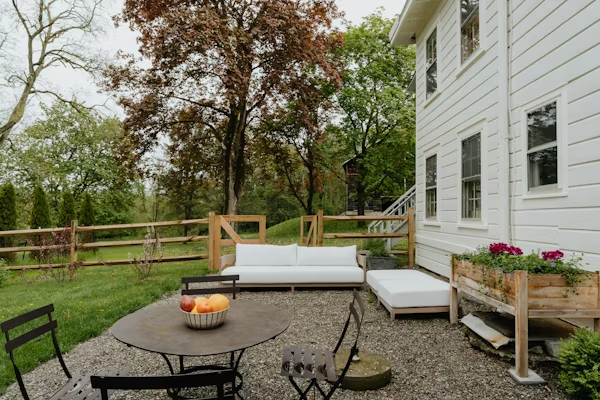
Maintaining a beautiful outdoor space requires more than just occasional watering. A consistent plan keeps plants healthy and prevents common issues from taking over your yard. By following a few proven methods, you can enjoy a lush environment through every season of the year.
Professional Weed Management
Weeds compete with your favorite flowers for sun and food. Finding the right Northern Arizona Weed Control service helps you stay ahead of these invasive growers. Professional help ensures your yard stays clean without you spending every weekend pulling thorns.
A good landscape designer looks at the bigger picture. They understand your local climate, soil, drainage, and which plants will actually thrive — not just this season, but long term. Instead of simply tackling things like weeds in early spring, they create a practical, well-thought-out plan that ties everything together and makes your outdoor space feel cohesive and easy to maintain.
This proactive approach saves you time and protects the “curb appeal” of your home.
Focus On Soil Quality
Healthy plants begin with what is happening below the surface. Improving your soil contributes to healthy plants that will be less susceptible to damage from pests or environmental stress, according to an article by the Ohio State University Extension. You should test your dirt to see which nutrients are missing before you start planting.
Adding organic matter, like compost, helps sandy soil hold onto water better. It also helps break up heavy clay so roots can breathe. Using mulch on top of the soil is another great way to keep moisture where it belongs.
Smart Irrigation Practices
Watering your lawn the right way is a huge part of success. In the U.S., 30% of household water use is dedicated to outdoor irrigation, rising to 60% in warmer or drier regions, as noted in a study hosted by the National Center for Biotechnology Information. Overwatering can be just as harmful as not watering enough.
Efficient Water Sources
To increase water efficiency and better use a valuable resource, rainwater and stormwater collection and graywater and recycled water can replace or augment potable water use in landscapes, reports the California Department of Water Resources. Using these methods reduces your monthly utility bills. It also helps the local environment by conserving the main water supply.
Timing Your Watering
The best time to water is usually in the early morning. This allows the moisture to soak deep into the ground before the sun gets too hot. If you water at night, the dampness might sit on the leaves too long and cause fungus to grow.
Mowing And Equipment Care
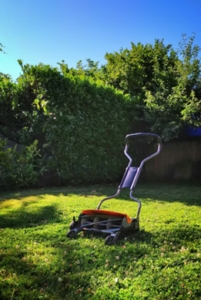
Keeping your grass at the right height is a simple way to block out weeds. Taller grass shades the soil, which prevents weed seeds from getting the light they need to grow. It also helps the grass develop deeper roots to survive dry spells.
- Sharpen mower blades at least twice a year.
- Never remove more than one-third of the grass blade at once.
- Change the direction you mow each time to prevent soil packing.
Proper tool maintenance is the secret to a better-looking lawn. A recent post from Milorganite mentioned that sharpening or changing mower blades at least twice a season can help reduce water use by up to 30% and fuel use by up to 22%. Dull blades tear the grass instead of cutting it, which leaves the tips brown and ugly.
Protect With Groundcovers
Filling empty spots in your garden prevents weeds from moving in. Groundcovers can conserve soil moisture and lower soil temperatures during periods of extreme heat, says the Virginia Department of Conservation and Recreation. These low-growing plants act like a living carpet for your garden beds.
They are excellent for slopes where grass might be hard to mow. Many types of groundcover also produce small flowers that attract bees and butterflies. This adds movement and color to your yard without much extra work.
Managing Invasive Species
Invasive plants can quickly ruin a well-planned garden. The global costs of invasive species now total $423 billion per year, according to a 2023 report from the Intergovernmental Platform on Biodiversity and Extension Services shared by the Chicago Botanic Garden. These plants often grow faster than native varieties and can kill off your expensive hedges.
Identifying these invaders early is the best way to stop the spread. If you see a plant you didn’t buy growing rapidly, it is best to remove it immediately. Keeping a close eye on your garden prevents these costs from hitting your own wallet.
Timing Your Fertilization
Feeding your plants gives them the energy to grow strong and resist disease. However, putting down fertilizer at the wrong time can actually cause problems. It is better to wait until the plants are actively growing and ready to use the extra food.
Do not add fertilizer too early in the spring, warns the University of Minnesota Extension. Doing this may encourage the grass to grow during a time when it should be slow or dormant. Wait until the soil warms up and the natural growing cycle begins.
 Taking pride in your outdoor space makes coming home more enjoyable. With a little bit of planning and the right help, your yard will remain a beautiful place for your family to relax. Keeping up with these tasks ensures your grass stays green and your flowers stay bright for years to come.