
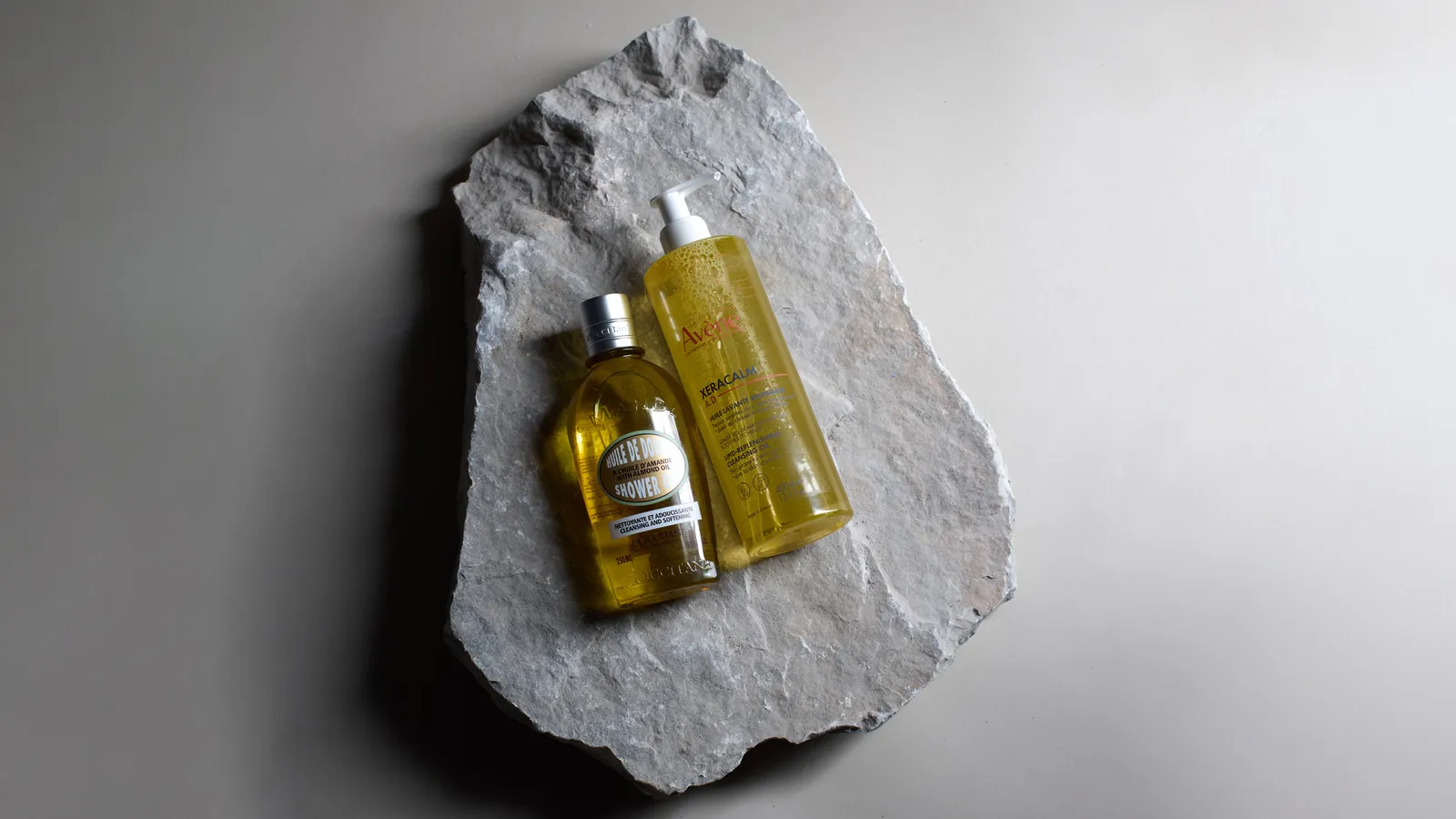
Introduction: The Evolution of Body Cleansing
For decades, body care meant lathering up with foaming soaps or detergent-based body washes that left skin squeaky clean but often tight, dry, and stripped of its natural moisture. Today’s consumers are rethinking this approach. As skincare philosophy shifts toward barrier support and hydration, body cleansing has evolved too. Enter shower oils: a modern innovation that merges effective cleansing with deep nourishment. More than just a trend, shower oils represent a fundamental upgrade—transforming the daily shower from a utilitarian task into a sensorial ritual that leaves skin soft, balanced, and glowing.
What Are Shower Oils?
Shower oils are cleansing formulas made primarily from nourishing plant-based oils, designed to dissolve dirt and impurities while preserving the skin’s natural lipid barrier. Unlike traditional body washes, which rely on harsh surfactants to create lather, shower oils use gentle emulsifiers that allow the oil to transform upon contact with water. Many feature an “oil-to-milk” or “oil-to-lather” technology: they start as a silky oil in the palm, then emulsify into a light, milky foam when mixed with water, rinsing cleanly without residue.
How Shower Oils Work on the Skin
The magic lies in their formulation. Instead of stripping away sebum (the skin’s protective oil), shower oils cleanse with the skin’s biology, not against it. When massaged onto damp skin, they attract and lift away dirt, sweat, and even light makeup, without disrupting pH balance. The emulsification process ensures easy rinsing, while key oils deposit a micro-layer of hydration that helps prevent post-shower tightness. This makes them especially beneficial for dry, sensitive, or mature skin, though even oily skin types can benefit from their balanced approach.
Benefits of Using Shower Oils
- Deep Hydration
Unlike conventional cleansers that leave skin dehydrated, shower oils help lock in moisture, reducing that familiar “tight” feeling after washing. The result? Skin that feels supple from the moment you step out of the shower.
- Gentle Cleansing
Free from sulfates and synthetic detergents, high-quality shower oils remove impurities without irritation, ideal for reactive or eczema-prone skin.
- Skin Softness & Glow
Regular use enhances skin texture, leaving it smooth, luminous, and touchably soft, often eliminating the need for heavy post-shower lotions.
- Multi-Sensory Experience
The rich texture, luxurious slip, and carefully crafted fragrances turn a routine cleanse into a moment of calm, a small but meaningful act of self-care.
The Rise of Scented Shower Oils
Fragrance has become integral to the body care ritual. Modern scented shower oils go beyond mere perfume; they’re formulated with aromatherapy-grade essential oils and botanical notes that can uplift, soothe, or ground the mind. A citrus-infused oil might energize your morning; a lavender-chamomile blend could signal evening relaxation. Critically, the best scented versions maintain high skincare standards—using clean, non-irritating fragrances that complement, rather than compromise, skin health.
Who Should Use Shower Oils?
- Dry or dehydrated skin: Replenishes lost lipids
- Sensitive skin: Avoids common irritants like SLS and artificial dyes
- Mature skin: Supports barrier function and elasticity
- Anyone seeking a more mindful routine: Elevates everyday hygiene into indulgence
Even those with oily or acne-prone skin may find non-comedogenic formulas (like those with jojoba or grapeseed oil) surprisingly balancing.
How to Use Shower Oils Properly
- Apply a small amount to damp—not soaking wet—skin
- Gently massage in circular motions to activate cleansing
- Add a little water to emulsify into a milky texture
- Rinse thoroughly with warm (not hot) water
- Pat dry and, if desired, layer with a lightweight body lotion or oil for extra nourishment
Key Ingredients to Look For
- Jojoba oil: Mimics skin’s natural sebum
- Sweet almond oil: Rich in fatty acids and vitamin E
- Olive oil: Deeply moisturizing and antioxidant-rich
- Botanical extracts (chamomile, calendula): Soothe and calm
- Vitamin E: Protects against oxidative stress
Avoid products with mineral oil, synthetic fragrances, or harsh sulfates—these undermine the very benefits shower oils promise.
Shower Oils vs. Body Wash: Which Is Better?
| Feature | Shower Oil | Traditional Body Wash |
| Cleansing Base | Plant oils + gentle emulsifiers | Synthetic surfactants (e.g., SLS) |
| Hydration | Adds moisture | Often strips moisture |
| Skin Feel After | Soft, supple | Can feel tight or dry |
| Best For | Dry, sensitive, mature skin | Oily skin (if non-drying formula) |
While body wash still has its place—especially for very oily skin or intense sweat removal—shower oils are gaining popularity for their skin-supportive approach and sensory richness.
Turning Your Shower into a Ritual
Using a shower oil invites mindfulness. Light a candle, play soft music, and take a moment to breathe in the fragrance as you cleanse. This simple shift transforms hygiene into a holistic practice—one that cares for both skin and spirit.
Conclusion: A Simple Upgrade with Visible Results
Shower oils offer a rare balance: they’re deeply functional and luxuriously indulgent. By cleansing without compromising hydration, they deliver visibly softer, healthier-looking skin—while turning an everyday act into a moment of calm. In a world of complex routines, this elegant upgrade proves that sometimes, the simplest changes yield the most radiant results.