
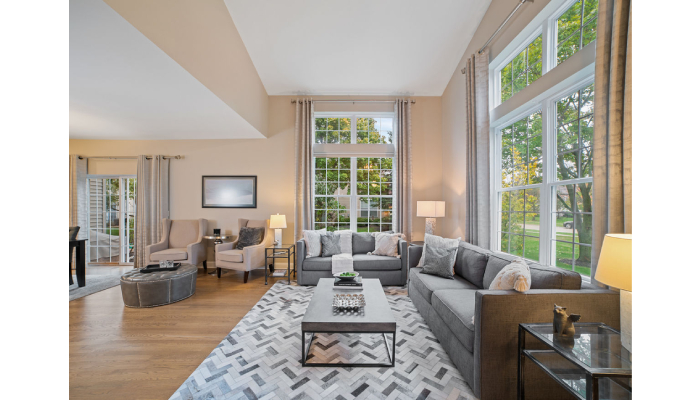
Blending indoor and outdoor spaces in modern Florida homes creates a delightful harmony that enhances living experiences. Start by using large glass doors or windows, allowing natural light to spill into your home while providing stunning views of the lush landscape outside. Incorporating materials like wood and stone can help bridge the gap between these areas effectively. Consider creating seamless transitions with patios or decks that connect directly to indoor living spaces, making it easy for families to enjoy both environments together. Accessorizing with comfortable outdoor furniture and plants promotes a welcoming atmosphere, bringing vibrant life to every corner of your home.
Understanding the Concept of Blending Spaces
Blending indoor and outdoor spaces is all about creating a seamless transition that not only enhances the beauty of a home but also enriches the lifestyle of its inhabitants. This concept fosters visual continuity, allowing the outside world to feel like an extension of your living area. In modern Florida homes, the use of open floor plans encourages this natural flow, making it easy for families to move between spaces without feeling confined. Large windows can serve as stunning frames for outdoor views, integrating nature into the interior decor.
Modern Florida home designs sliding or folding glass doors are game changers, as they can completely open up spaces, inviting fresh air and sunlight in while inviting residents to step outside. To truly harmonize your indoor and outdoor environments, using similar colors and materials can create a cohesive look that ties everything together. Beyond aesthetics, designating specific zones for relaxation or dining can elevate functionality, ensuring that the outdoor space is just as usable as the indoor one.
Incorporating elements like water features or fire pits can enhance the experience as they unify the two realms, adding ambiance and inviting gatherings. Pathways that connect indoor areas to the garden further enrich the experience, making the transition feel effortless. Ultimately, blending spaces encourages more outdoor activities, family gatherings, and a lifestyle that embraces the beauty of Florida’s natural surroundings.
Design Elements for Indoor-Outdoor Flow
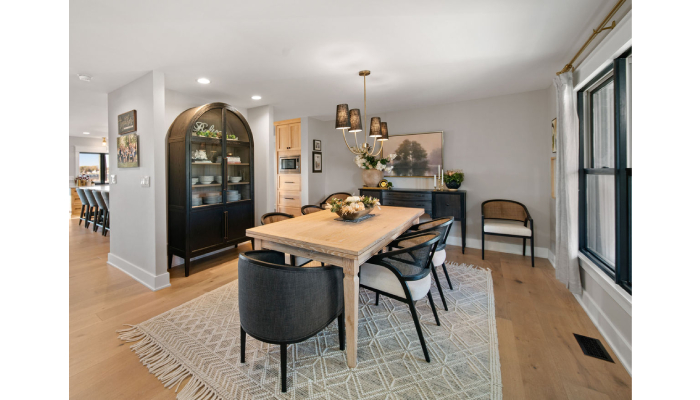
To create a seamless connection between indoor and outdoor spaces in modern Florida homes, start by choosing furniture that complements both environments. For instance, select stylish yet durable pieces made from weather-resistant materials, ensuring they look great both inside and out. Consistent lighting fixtures play a vital role in establishing a unified ambiance; think about pendant lights or sconces that can shine indoors and outdoors, creating a warm glow that invites relaxation.
Textures are essential for enhancing that natural feel; incorporating wood or stone elements can bring life to your spaces. Consider retractable awnings, which provide shade without obstructing your breathtaking views, allowing you to enjoy the outdoors even during sunny days. Balconies and patios effortlessly serve as extensions of living rooms, providing additional space for entertaining and leisure.
Defining these spaces with rugs or outdoor carpets ensures comfort and style, making transitions feel intentional and cohesive. Plants can also serve as beautiful dividers, softening boundaries while adding a touch of greenery that enhances the overall aesthetic. Built-in seating options maximize space, offering comfort and encouraging social interactions. Elevating outdoor areas with steps or decking creates visual interest, making them a focal point in your home design.
Finally, always keep the local climate in mind when designing these spaces; ensuring comfort year-round is key to enjoying the best of both worlds.
- Choose furniture that suits both indoor and outdoor settings.
- Using consistent lighting fixtures can create a unified ambiance.
- Incorporate textures like wood or stone to enhance the natural feel.
- Consider retractable awnings for shade without blocking views.
- Balconies and patios can serve as extensions of living rooms.
- Define spaces with rugs or outdoor carpets for comfort and style.
- Use plants as dividers to create a natural transition between areas.
- Incorporate built-in seating to maximize space and comfort.
- Elevate the outdoor space with steps or decking to create interest.
- Design with the local climate in mind to ensure comfort year-round.
Choosing the Right Materials for Transition
When blending indoor and outdoor spaces in modern Florida homes, the right materials are key to achieving a seamless transition. Start by opting for weather-resistant materials that promise longevity against Florida’s climate. For flooring, choose options that are both safe and durable for indoor and outdoor use, such as natural stone, which not only looks stunning but can also withstand the elements. Non-slip tiles are a smart choice for wet areas, ensuring safety without sacrificing style.
Consider using composite materials for outdoor furniture, as they can endure weather changes while maintaining their aesthetic appeal. Glass railings are a fantastic addition, allowing for unobstructed sightlines while ensuring safety. If you’re looking for warmth, bamboo or teak can create an inviting atmosphere that bridges the outdoors with the comfort of your home.
Don’t forget about fabrics; select UV-resistant materials for outdoor cushions and pillows to keep them vibrant in the sun. Exploring eco-friendly materials adds a sustainable touch without compromising on style. Lastly, matching interior finishes with exterior ones can create a cohesive flow, making your indoor and outdoor spaces feel like one harmonious area.
Creating Open Spaces with Natural Light
Maximizing window sizes is key to ushering in abundant natural light, transforming any Florida home into a bright and inviting space. Large windows not only provide stunning views but also create a seamless connection between indoor and outdoor living areas. Skylights are another fantastic solution, especially for darker corners of the home, as they draw in sunlight from above, enhancing the overall brightness. To maintain privacy while still enjoying the benefits of light, consider using translucent materials for interior partitions or window coverings. Additionally, light colors on walls can amplify the effect of natural light, making rooms feel airy and spacious.
Designing outdoor spaces that are easily accessible from indoor rooms encourages a natural flow and blurs the lines between the two environments. Think about incorporating overhangs, which allow sunlight to filter in while providing shelter from rain. Mirrors can be a game-changer, reflecting light and creating the illusion of more space, making rooms feel bigger and more open. Light wells can also be cleverly integrated into lower levels, ensuring those areas bask in sunlight as well.
When planning landscaping, be mindful of how trees and shrubs can block light from windows; strategic placement can help maintain brightness. Finally, ensure that outdoor structures, such as pergolas or decorative walls, do not obstruct light flow into the home. By thoughtfully blending these elements, you can create a harmonious balance between indoor comfort and outdoor beauty.
Incorporating Landscaping into Home Design
Integrating landscaping into your home design can create a seamless connection between indoor and outdoor spaces, especially in Florida. Start by selecting native plants that flourish in the warm climate, as they need less maintenance and are more resilient. Design gardens that harmonize with your home’s architectural style, whether it’s modern, coastal, or traditional. Use landscaping elements to establish privacy without the need for walls or fences, such as strategically placed trees or shrubs that can provide a natural barrier.
Incorporate pathways that lead guests from the indoor living area to the garden, enhancing the flow and inviting exploration. Create outdoor rooms defined by plantings and hardscapes, like patios or decks surrounded by lush greenery, allowing for versatile spaces that can be used for dining, relaxation, or entertainment. Vertical gardens can be a fantastic way to maximize space, especially in smaller areas, adding a touch of greenery without taking up too much ground space.
Consider planting seasonal blooms to ensure your landscape evolves throughout the year, maintaining visual interest. Outdoor lighting can play a crucial role in highlighting landscape features at night, creating a magical atmosphere for evening gatherings. Lastly, focus on sustainability by incorporating rain gardens or xeriscaping, which can help manage water runoff and conserve resources. Coordinate the colors and textures of your plants with your interior color schemes for added harmony, making your home feel cohesive and inviting.
Using Furniture to Bridge Indoor and Outdoor
Furniture plays a crucial role in seamlessly connecting indoor and outdoor spaces, especially in modern Florida homes. Opt for multi-functional pieces that can serve dual purposes, like a bench that functions as both seating and storage. Weatherproof furniture is essential, ensuring that it retains its aesthetic and durability when exposed to the elements. Adding cushions and throws not only enhances comfort but also infuses style into your outdoor areas. Look for tables that can be extended to accommodate larger gatherings, making it easy to host family and friends. Creating cozy lounge areas with comfortable seating invites relaxation, enabling you to enjoy the beautiful Florida weather. Lightweight furniture can be easily rearranged, allowing for versatility in your design. Ottomans are a great addition as they can double as tables or extra seating when needed. Incorporate bold colors and patterns to create an inviting atmosphere that reflects the vibrancy of Florida life. Design your spaces to encourage movement between indoor and outdoor areas, fostering a sense of unity. Built-in storage solutions that blend with the landscape can keep outdoor items organized while maintaining the visual appeal of your home.
The Role of Color in Blending Spaces
To successfully blend indoor and outdoor spaces in modern Florida homes, a cohesive color palette is essential. Start by selecting colors that flow seamlessly from your interiors to your exteriors. Neutral colors, such as soft beiges or light grays, can create a calming atmosphere that complements the natural beauty surrounding your home. Adding pops of color through furniture or accessories, like vibrant outdoor cushions or planters, can inject personality and create visual interest without overwhelming the serene backdrop.
When choosing exterior paints or finishes, consider the landscape’s hues. Earthy tones can harmonize with the outdoor environment, while lighter colors reflect heat, helping to keep your spaces cooler. Additionally, dark colors can create a striking contrast against bright surroundings, enhancing the visual appeal of your home.
Incorporating natural tones, such as greens and browns, helps establish a connection with the outdoor space, making the transition feel more organic. Use color strategically to define different areas, such as using a bold accent wall in an outdoor living area to delineate it from the surrounding space. Don’t forget to explore seasonal color changes in your landscaping, as they can maintain visual interest throughout the year. Lastly, consider using accent walls or planters to introduce color in a way that feels refreshing yet controlled.
Innovative Technologies for Seamless Integration
Modern Florida homes are embracing innovative technologies that make blending indoor and outdoor spaces not just a dream, but a reality. Smart home systems play a pivotal role, offering homeowners the ability to control lighting and temperature seamlessly across both areas. Imagine adjusting your patio lights or cooling down your sunroom with just a tap on your smartphone. Automated window treatments enhance this experience, allowing for easy adjustments to natural light and privacy without lifting a finger.
For music lovers, incorporating outdoor speakers into your sound system ensures that your favorite tunes fill both spaces, creating a harmonious atmosphere. And when it comes to landscaping, smart irrigation systems take away the hassle of garden upkeep, providing the perfect balance of beauty and efficiency.
Outdoor living is taken to the next level with app-controlled heating systems, making chilly evenings by the pool enjoyable. Outdoor fireplaces that can be operated remotely add warmth and ambiance, all while being controlled from the comfort of your couch. Energy-efficient lighting that adjusts according to natural light levels is not only eco-friendly but also enhances the beauty of your spaces at different times of the day.
Sustainable energy is becoming a priority, so consider integrating solar panels to power your outdoor areas. For those who love cooking and entertaining, outdoor kitchens equipped with modern appliances provide convenience and elevate your outdoor experience. Finally, 3D modeling software is invaluable for planning and visualizing these blended spaces, allowing homeowners to create their dream environments before breaking ground.
Personalizing Your Indoor-Outdoor Experience
When designing blended spaces in modern Florida homes, it’s essential to consider the unique needs of your family. Think about how each member interacts with indoor and outdoor areas, and design spaces that cater to those preferences. Incorporating personal mementos or artwork that reflects your style can make the space feel truly yours. For instance, displaying a collection of seashells from family beach trips or hanging vibrant local art can create a sense of place.
Creating dedicated areas for hobbies or relaxation can invite use and enjoyment. Imagine a cozy reading nook surrounded by lush greenery or an outdoor kitchen perfect for gatherings. These spaces should foster connection: arrange furniture to encourage conversation, whether it’s a circular seating arrangement on the patio or a long dining table under a canopy.
Reflecting local culture and environment can enhance the experience, so consider using materials or designs that echo the beauty of Florida’s landscape. Seasonal adaptability is also important; design spaces that can be comfortably enjoyed year-round, like a covered patio that allows for al fresco dining even in light rain.
Add an element of fun with playful features like swings or hammocks, inviting laughter and relaxation. And don’t forget to make the space memorable: unique design features or installations, like a fire pit surrounded by comfortable seating, can elevate the experience and create lasting memories for family and friends.
Case Studies of Florida Homes Blending Spaces
Florida homes are shining examples of how to merge indoor and outdoor living beautifully. Many of these residences feature large glass doors that create seamless transitions between rooms and patios, allowing for an airy, open feel. For instance, a modern home in Sarasota showcases a wall of sliding glass that opens directly onto a lush outdoor area, perfect for entertaining.
Some innovative designs incorporate indoor gardens, which not only enhance aesthetics but also improve air quality. A notable example is a home in Orlando where an indoor herb garden flourishes next to the kitchen, allowing residents to enjoy fresh ingredients while bringing nature indoors.
Expansive patios are also a common feature, serving as outdoor entertainment spaces. A stunning example is a Miami beach home that boasts a sprawling deck equipped with a summer kitchen and lounge areas, making it ideal for sun-soaked gatherings.
Even smaller homes in Florida have found ways to make the most of their outdoor spaces. A cozy bungalow in Key West cleverly uses a small patio that extends the living area, creating a sense of spaciousness despite its size.
Eco-friendly designs are increasingly popular, with many homes incorporating sustainable materials and landscaping that harmonizes with the surrounding environment. One such home in Fort Lauderdale uses native plants and solar panels, blending beautifully with its natural surroundings.
Architectural styles also play a crucial role, with many Florida homes embracing modern aesthetics that prioritize indoor-outdoor living. A contemporary residence in Naples features a striking combination of concrete, wood, and glass that invites the outdoors in.
Florida’s warm climate heavily influences design choices, encouraging open layouts and outdoor amenities that can be enjoyed year-round. Community designs are also evolving to promote shared outdoor spaces, allowing neighbors to connect while enjoying nature.
Unique landscaping enhances indoor views, with homes in Palm Beach often featuring strategically placed trees and flower beds that provide privacy and beauty. Finally, successful renovations demonstrate how existing spaces can be transformed to improve the flow between indoor and outdoor areas, as seen in a historic home in St. Augustine that opened up its back wall to create a stunning connection to a garden retreat.