
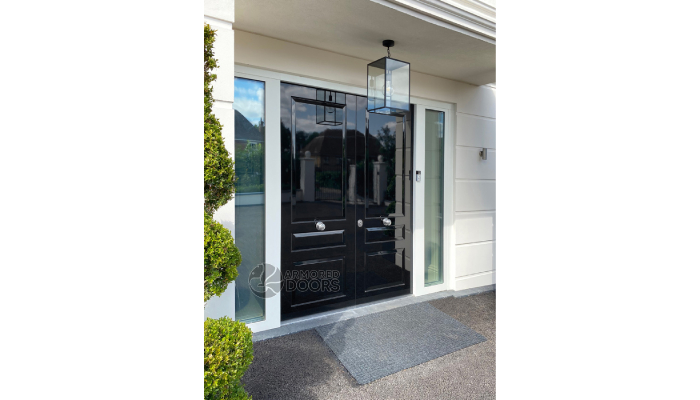
When purchasing a modern security door, knowing how to identify a genuine one is vital for your protection. Start by checking the material quality; authentic doors generally feature at least 14-gauge steel and solid core construction, which significantly enhances resistance against forced entry. Certifications from reputable organizations also add credibility, look for UL 752 or ANSI/BHMA A156.3 marks. The weight of the door can give you hints too; heavier doors typically indicate better craftsmanship and quality materials. Lastly, ensure that the installation process is performed correctly and ask for a warranty of at least ten years to safeguard your investment in security.
1. Assessing Material Quality
When it comes to modern security door, the material quality is crucial in determining authenticity and effectiveness. First and foremost, you want to check the steel thickness. Authentic security doors should be made from at least 14-gauge steel, which is about 2.0 mm thick. Thinner steel can be easily compromised, making your door less secure.
Next, pay attention to the core construction. A solid core offers much greater strength against forced entry compared to a hollow core, providing an extra layer of protection. Additionally, look for a rust-resistant coating on the door. This not only extends its lifespan but also keeps it looking good year after year.
Fire ratings are another essential factor. A good security door should have a fire rating, indicating it can withstand high temperatures, adding peace of mind in case of emergencies. Impact resistance is also vital; materials designed to resist impact can help prevent break-ins, making your home safer.
Don’t overlook insulation properties either. Quality doors often provide better insulation, which can reduce energy costs while enhancing comfort in your home. Plus, soundproofing features can minimize outside noise, creating a more peaceful environment.
Lastly, examine the finish quality. High-quality finishes resist scratches and fading, ensuring that your door maintains its aesthetic appeal over time. Also, consider environmental aspects, as some doors are crafted from eco-friendly materials, appealing to those who prioritize sustainability. Overall durability is key; a well-made security door should stand the test of time, providing you with the protection and peace of mind you deserve.
- Steel Thickness: Authentic security doors should be made from at least 14-gauge steel, which offers better durability and resistance to tampering.
- Core Construction: Solid core construction is crucial, as it provides greater strength against forced entry compared to hollow cores.
- Rust Resistance: A rust-resistant coating not only extends the door’s life but also ensures it looks good for years.
- Fire Ratings: Check for fire ratings that indicate the door can withstand high temperatures, adding an extra layer of safety.
- Impact Resistance: Look for materials designed to withstand impact, preventing easy break-in attempts.
- Insulation Properties: Quality doors also provide insulation, reducing energy costs and enhancing comfort.
- Soundproofing: A well-constructed door can help reduce noise from outside, providing a peaceful home environment.
- Finish Quality: High-quality finishes resist scratches and fading, ensuring the door maintains its look over time.
- Environmental Considerations: Some doors are made from eco-friendly materials, which can be a plus for environmentally conscious buyers.
- Overall Durability: Look for indications of long-lasting performance, as a good security door should stand the test of time.
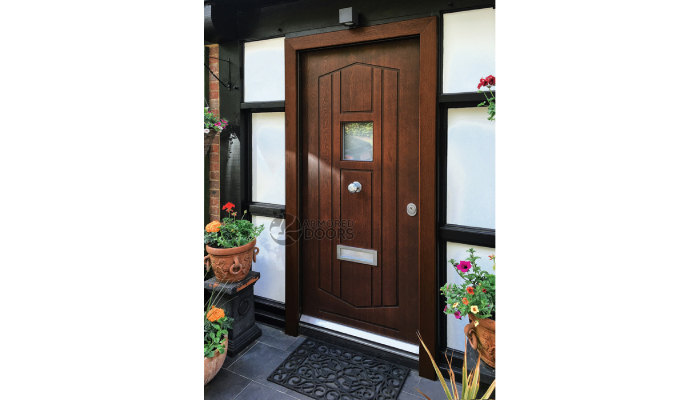
2. Understanding Certifications and Standards
Recognized certifications play a crucial role in identifying a genuine modern security door. Look for certifications from reputable organizations like UL, ANSI/BHMA, or EN. These certifications ensure that the door meets quality and safety standards, giving you peace of mind. Additionally, request detailed testing reports that verify the door’s performance against forced entry. This is vital in understanding how the door will hold up in real-life scenarios.
It’s also important to ensure that the door complies with local building codes, as these can vary by region. Compliance not only guarantees legal safety but also enhances your overall security. Certifications reflect a manufacturer’s commitment to quality assurance during production. They often come with specific installation guidelines that must be followed to ensure the door performs as intended.
When assessing a security door, don’t overlook durability ratings. These ratings indicate how well the door can withstand stress and wear over time. Higher security ratings mean better resistance against break-ins, so prioritize doors with top scores. Certified doors frequently include better warranty coverage, which adds another layer of confidence in your purchase. Overall, recognized certifications and standards can significantly increase consumer trust, making it easier to choose a reliable product.
3. Evaluating Lock Quality
When examining the lock quality of a modern security door, there are several key features to look for. A multi-point locking system is essential, as it secures the door at multiple points, making it much harder for intruders to force it open. Additionally, ensure that the door is equipped with a high-quality deadbolt, which acts as a crucial component of any secure door. Opt for locks rated Grade 1, as they offer the highest level of security for residential use, providing peace of mind for homeowners.
The material of the locks also matters significantly. Look for locks made from hardened steel, which is far more resistant to tampering than softer materials. Consider locks that feature key control systems, preventing unauthorized duplication of keys. As technology advances, some modern doors come with smart locks that allow for keyless entry and remote monitoring, adding convenience without sacrificing security.
Don’t overlook the importance of reinforced strike plates. High-quality locks should include these, as they provide added security against forced entry. While security is paramount, ease of use is equally important; locks should operate smoothly, allowing for quick locking and unlocking without any hassle.
Weather resistance is another factor to consider. Locks designed to withstand various weather conditions can prevent rust and malfunction over time. Finally, remember that quality locks require minimal maintenance, saving you time and effort in the long run.
4. Checking the Weight of the Door
When it comes to security doors, weight is a crucial factor. A heavier door usually indicates the use of high-quality materials, making it less susceptible to break-ins. For instance, solid steel doors are often much heavier than their hollow counterparts, providing better resistance to forced entry. If you find yourself comparing a security door to a standard one, a significant difference in weight can be a clear indicator of superior quality.
Moreover, the balance and stability that come with a heavier door reduce the risk of warping or damage over time, ensuring your door remains functional and effective. It’s also worth noting that the added weight can enhance sound insulation, creating a more comfortable environment in your home. Keep in mind that heavier doors may require stronger frames and hinges for proper installation, so plan accordingly if you’re considering transportation and installation.
A heavier door not only feels more substantial, contributing to an overall perception of security, but it also often translates to more durable construction, which can lead to a longer lifespan. So, when you’re evaluating a security door, don’t overlook the weight, it’s a telling sign of its quality and effectiveness.
5. Inspecting Design and Aesthetics
When choosing a modern security door, the design and aesthetics play a crucial role in determining its authenticity and appeal. Start by examining the finish quality: a high-quality door will have a durable finish that resists scratches and wear, keeping its appearance intact over time. If the finish looks cheap or shows signs of wear easily, it may not be a genuine product.
Next, consider color options. A door that matches your home’s exterior not only enhances curb appeal but can also indicate a more thoughtful design approach. Custom designs are another great feature, as some manufacturers allow you to personalize your door to reflect your style.
Glass inserts can add elegance to a security door; however, make sure they are shatter-resistant and securely fitted to ensure both beauty and safety. Also, look for well-crafted trim and molding. These details can significantly elevate the overall look of the door, showcasing quality craftsmanship.
It’s important to choose a door that complements your home’s architectural style, whether it’s modern, traditional, or contemporary. Accessibility features, like wider doors, can also make a positive impact, ensuring easy entry for everyone.
Keep maintenance in mind, as aesthetic features that require minimal upkeep will keep your door looking great without constant attention. Lastly, energy efficiency should not be overlooked; designs that offer good insulation are beneficial for your home’s overall performance. Ensure that the door’s aesthetics are built to last and won’t fade or chip easily, as lasting beauty is a key indicator of quality.
6. Ensuring Proper Installation Quality
The quality of installation plays a pivotal role in the effectiveness of a modern security door. Even the most robust door can be rendered useless if it is not installed correctly. Hiring qualified professionals ensures that the door is fitted securely and follows the manufacturer’s installation guidelines, which is essential not just for security but also to maintain warranty coverage.
A key aspect to consider is the compatibility of the door with the existing door frame. If the door doesn’t fit properly, gaps can form, potentially compromising the door’s security features. It’s also important to ensure proper sealing around the door, as this not only prevents drafts but also enhances energy efficiency.
Using high-quality hinges is vital; they should be able to support the door’s weight and ensure smooth operation. After installation, testing the door is essential. Make sure it locks and opens smoothly without issues. Additionally, the door should be level and plumb, which helps prevent future operational problems.
Weather stripping is another critical component. Proper installation of weather stripping can significantly improve insulation and energy efficiency. Be prepared for minor adjustments after installation to ensure optimal performance, and it’s wise to choose installers who offer follow-up services for any necessary tweaks down the line.
7. Reviewing Warranty and Support
When shopping for a security door, don’t overlook the importance of warranty and support. A reliable security door should come with a warranty that lasts at least 10 years, covering both parts and labor. Make sure you understand what the warranty covers and any potential exclusions, as this can save you from unexpected costs down the line. Look for manufacturers with a solid reputation for customer support, as this is often a good indicator of the reliability of their warranty. If you’re considering selling your home in the future, check if the warranty is transferable; this feature can add value to your property. Additionally, ensure the manufacturer provides accessible customer service to address any concerns you might have. It’s also wise to investigate repair options included in the warranty, as some may require you to pay out of pocket for repairs. Some warranties even come with maintenance guidelines, so you can keep the warranty valid by properly caring for the door. Familiarize yourself with the claim process for warranty issues, as knowing what to expect can make it smoother. Lastly, look for manufacturers that have service centers or authorized repair locations nearby, and check user reviews to see how others have fared with warranty claims, this can give you valuable insight into the level of support you can expect.
8. Conducting Price Comparisons
When it comes to purchasing a modern security door, conducting price comparisons is crucial. Start by doing thorough market research to understand the pricing landscape across different brands and models. Be cautious of doors that are priced significantly lower than established brands, as this often indicates inferior quality. Remember to consider hidden costs, like installation and maintenance, as they can greatly affect your overall expenditure. Keep an eye out for seasonal sales or discounts, which can provide significant savings on quality doors. While it might be tempting to go for the lowest price, evaluate the long-term value of the door. Sometimes, spending a bit more upfront can save you money in the long run due to better durability and lower maintenance needs. Also, compare prices between online retailers and local stores, as you might find significant differences. Weigh any additional features offered against the cost to determine the best value for your investment. Brand reputation matters too; paying a bit more for a reputable brand often brings peace of mind and quality assurance. Don’t hesitate to negotiate prices or ask for discounts, especially if you’re purchasing multiple doors. Lastly, consult user reviews to see if the price reflects the quality and performance of the door. This careful approach will help you make an informed decision and avoid falling for a fake or subpar product.
9. Researching User and Expert Reviews
When it comes to choosing a modern security door, researching user and expert reviews is key. Start by diving into user feedback to understand how the door performs in real-world situations. Actual users will share their experiences with reliability, installation, and any issues they faced, giving you a clearer picture of what to expect. Expert reviews are equally important; these professionals evaluate the door’s quality and security features, providing a trustworthy perspective that can guide your decision.
Pay attention to rating systems, as higher ratings usually indicate better performance and satisfaction among users. Common complaints can also shed light on potential weaknesses in the door, so look for trends in the feedback. A comparative analysis across different products can reveal which doors consistently receive positive reviews, helping you narrow down your options.
Video reviews can be incredibly helpful, allowing you to see the door in action and get a sense of its features and performance. Don’t forget to check social media platforms for user comments and experiences, as these can offer candid insights. Review aggregators are a goldmine for a holistic view of customer satisfaction, compiling reviews from various sources to give you a comprehensive overview.
Lastly, consider reviews that discuss warranty experiences. Understanding how a company handles warranty claims can highlight their customer support quality, which is crucial for any long-term investment. Take note of the doors that experts frequently recommend, as these are often the most reliable choices available.
10. Identifying Additional Features
When choosing a modern security door, additional features can make all the difference in ensuring your safety and comfort. Look for reinforced frames, which significantly enhance resistance to break-ins and boost durability. Impact-resistant materials are another great option, designed to withstand heavy blows and keep intruders at bay. If you’re tech-savvy, consider doors with smart technology, such as smart locks, alarms, and sensors, which not only heighten security but also add convenience to your daily life.
Weather resistance is crucial too; some doors are equipped with features that protect against harsh elements, keeping your interiors safe and sound. Additionally, energy-efficient doors help lower heating and cooling costs, making them a smart investment in your home. For those who want to keep an eye on their property, integrated security cameras can offer extra surveillance right from your doorstep.
Don’t underestimate the importance of soundproofing features either, noise-reducing designs can create a more peaceful home environment by minimizing outside disturbances. Customizable options are worth exploring; many manufacturers allow you to tailor features to meet your specific security needs. Also, check for accessory compatibility, as some doors can accommodate additional elements like security screens or decorative enhancements. Finally, user-friendly designs, such as easy-to-grip handles or keyless entry systems, can elevate your overall experience, making your security door not just a barrier, but a seamless part of your everyday life.