
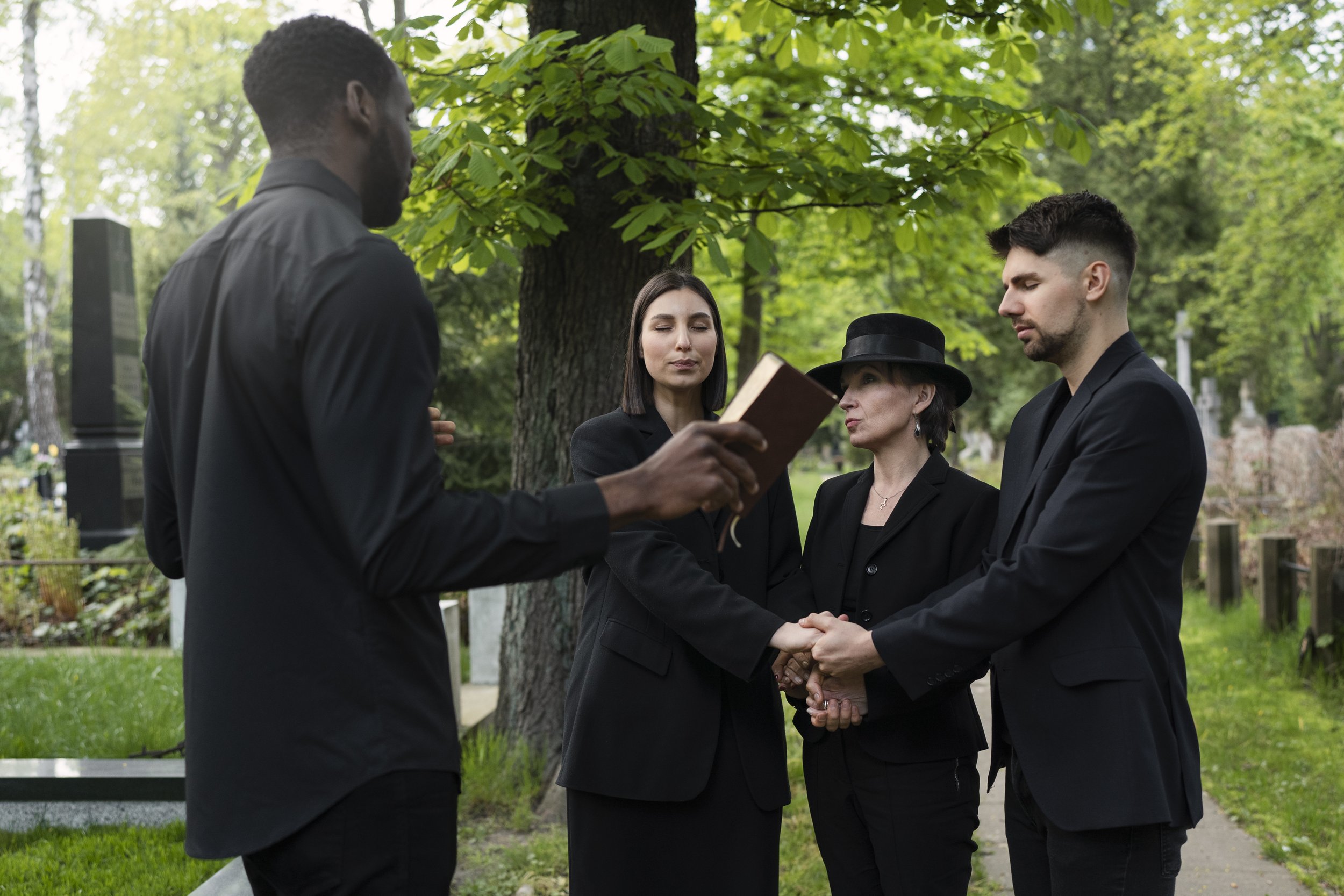
As the world shifts toward greener living, many residents are looking for ways to extend their environmental values to their final arrangements. Human composting Southern California is emerging as a revolutionary alternative to traditional burial and cremation, offering a natural and life-affirming way to return to the earth.
Understanding The Process Of Human Composting Southern California
The concept of human composting southern california, scientifically known as natural organic reduction (NOR), is a sophisticated process that transforms human remains into nutrient-rich soil. Unlike traditional methods that rely on chemicals or high-heat combustion, this approach uses the power of nature. The body is placed in a specialized vessel along with organic materials such as wood chips, alfalfa, and straw. Over a period of several weeks, naturally occurring microbes break down the remains on a molecular level. This controlled environment is carefully monitored for temperature and oxygen levels to ensure the process is efficient, safe, and completely odorless.
For families in the southern part of the Golden State, this method represents a profound shift in how we view the end of life. Instead of leaving behind a permanent footprint in a crowded cemetery, an individual becomes a source of renewal. Each body typically produces about one cubic yard of soil—enough to fill the bed of a pickup truck. This soil is clean, stabilized, and rich in nutrients, making it ideal for nourishing local gardens or helping to restore degraded lands. It is a biological cycle that honors the connection between humans and the natural world, providing a sense of peace and continuity that many find deeply comforting.
Why Residents Are Embracing Human Composting Southern California?
The growing interest in human composting southern california is largely driven by a desire for environmental sustainability. Traditional burials in the United States use millions of gallons of toxic embalming fluids and vast amounts of steel and concrete every year. On the other hand, cremation—while often seen as simpler—releases hundreds of pounds of carbon dioxide per person. Residents who prioritize a “green” legacy are turning to soil transformation because it is carbon-neutral and consumes a fraction of the energy required by other methods. It allows a person’s final act to be one of restoration rather than consumption.
Beyond the environmental benefits, many people choose this path for its emotional and symbolic resonance. The idea of “growing on” after death through plants and trees offers a beautiful narrative for grieving families. If you are interested in exploring these sustainable options, you can find a wealth of information about natural organic reduction and how it integrates with modern funeral planning. This method provides a tangible legacy; families can choose to keep a portion of the soil to plant a memorial tree or donate the remainder to conservation projects that help reforestation efforts across the state.
What Is The Legal Status Of Soil Transformation In Our Region?
Navigating the legal landscape is an important part of planning for the future. In September 2022, California officially legalized human composting with the signing of Assembly Bill 351. However, the law was structured with a rollout period to allow state regulators to establish strict safety and licensing standards. While the practice is legally recognized, the full infrastructure for local facilities is slated to be fully operational by January 1, 2027. This timeline ensures that when the service becomes widely available, it meets the highest environmental and ethical benchmarks set by the state’s cemetery and funeral boards.
Even though local facilities are in the final stages of development, residents can still choose this option today through specialized providers. Many families currently arrange for their loved ones to be transported to licensed facilities in states where the process is already fully established, such as Washington or Colorado. This “bridge” service allows Californians to honor their eco-friendly wishes without waiting for the local infrastructure to catch up. As we move closer to the 2027 milestone, more funeral homes in the region are beginning to offer pre-planning services to help individuals secure their spot in this growing movement.
How Does The Cost Compare To Traditional Funerals?
When evaluating end-of-life options, cost is often a significant factor. Human composting is generally priced in the “middle ground” of the funeral industry. It is typically more expensive than a basic direct cremation but often significantly more affordable than a traditional casket burial when you factor in the cost of a cemetery plot, vault, and headstone. Most providers offer all-inclusive packages that cover the transportation, the biological transformation process, and the preparation of the final soil. This transparent pricing model helps families avoid the “hidden fees” often associated with traditional funeral home services.
In our current market, the cost for the transformation process generally ranges between $5,000 and $7,000. For families opting for out-of-state services during the California transition period, there may be additional transportation costs to consider. However, many find the investment worthwhile because it eliminates the need for perpetual grave maintenance and the purchase of expensive non-biodegradable materials. Investing in a soil transformation is seen by many as a way to pay forward to the planet, ensuring that their final contribution to the world is one of health and vitality for future generations.
What Happens To The Soil After The Process Is Complete?
One of the most frequently asked questions about this process is what becomes of the soil once the transformation is finalized. Once the microbes have finished their work, the soil undergoes a “curing” phase for several weeks to ensure it is stable and safe for use. During this time, any non-organic materials, such as medical implants or prosthetic joints, are carefully removed and recycled. The resulting material is indistinguishable from high-quality forest topsoil. Families are then given the choice of how they would like to receive the remains of their loved one.
Many families choose to take a small portion of the soil home to use in private gardens, creating a “living memorial” through rose bushes or fruit trees. Because the process produces a significant volume of soil (about one cubic yard), many providers also partner with land trusts and conservation groups. This allows the remaining soil to be used for large-scale land restoration projects, such as healing wildfire-damaged areas or supporting the growth of native habitats. This communal aspect of the service allows an individual to contribute to the greater good of the ecosystem, ensuring their legacy lives on in the sprawling forests and meadows of the West Coast.
Conclusion
The emergence of human composting southern california marks a significant milestone in the evolution of funeral traditions. By choosing a path that prioritizes the health of the planet, residents are finding a new sense of purpose and peace in their end-of-life planning. As the state moves toward full local implementation, this sustainable alternative will continue to grow in popularity, providing a beautiful and restorative way for us to return to the earth that sustained us throughout our lives.