
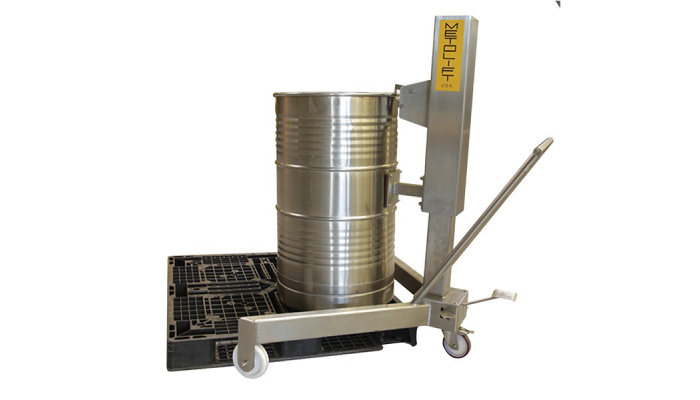
To avoid common mistakes when handling drums, it’s crucial to understand the associated risks. Heavy drums can weigh up to 350 kg, posing a significant challenge for manual handling and leading to injuries like musculoskeletal disorders and chemical exposure. Always wear appropriate personal protective equipment (PPE) such as gloves, goggles, and hard hats tailored to hazards. Before moving any drum, inspect it for damage or leaks; this avoids accidents later on. Use specialized equipment for lifting and transporting drums safely. Teamwork is vital in moving heavy loads, clear communication reduces mishaps. Regular training ensures everyone is informed about safe practices and emergency protocols, fostering a safer workplace overall.
1. Understanding Drum Handling Risks
When it comes to drum handling equipment, understanding the risks is crucial for maintaining a safe work environment. Full drums can weigh up to 350 kg, far exceeding the manual lifting limits set at 25 kg for males and 16 kg for females. This weight makes manual handling not just impractical, but highly dangerous. Improper lifting techniques can lead to musculoskeletal injuries, which are alarmingly common in workplaces that don’t prioritize safety. Beyond physical injuries, workers face serious risks of chemical exposure from leaks or spills if drums are mishandled. Imagine a worker navigating a cluttered area; the risk of slips and falls skyrockets in such environments. Moreover, improper stacking can create instability, leading to potential accidents. The use of damaged or inappropriate equipment adds another layer of danger, as it can cause severe injuries. Ignoring established safety protocols can result in catastrophic workplace accidents. Environmental factors like wet floors can further exacerbate the risk of slips. Regular risk assessments are essential to identify and mitigate these hazards, ensuring that everyone remains safe while handling drums.
2. Importance of Personal Protective Equipment (PPE)
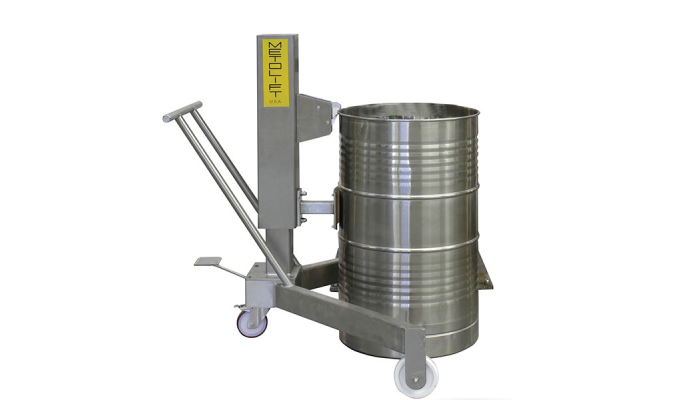
When handling drums, wearing the right personal protective equipment (PPE) is not just a safety measure, it’s essential. Start with chemical-resistant gloves to shield your hands from leaks and spills, because accidents can happen unexpectedly. Safety goggles are crucial too; they protect your eyes from harmful splashes that may occur when opening or moving drums. In environments where overhead work is a factor, hard hats become vital to prevent injuries from falling objects. Don’t overlook your feet, steel-toed boots are necessary to safeguard against injuries from dropped drums. If you’re dealing with volatile substances, respirators may be required to protect your lungs. Regularly inspecting your PPE for wear and tear is a must, as damaged equipment can compromise your safety. Ensure that your PPE fits properly; ill-fitting gear is less effective and can lead to accidents. Educating employees on the correct use of PPE is key to promoting a culture of safety. Make sure PPE is easily accessible in work areas, so it’s always within reach when needed. Lastly, creating a PPE checklist can help ensure compliance before handling drums, reinforcing the importance of safety in every task.
3. Inspecting Drums for Safety
Inspecting drums for safety is crucial before any movement. Start with a visual check for leaks or signs of corrosion. If you spot any, it’s a clear signal to take caution. Ensure that labels on the drums are readable and accurately reflect their contents, as this information is vital for safe handling. Be on the lookout for bulges or dents, which might indicate that the drum has been stored improperly. Check seals to confirm they are intact and secure, as compromised seals can lead to leaks and spills. For drums suspected of containing pressurized contents, conduct a pressure test to ensure they are safe to handle. Additionally, inspect the exterior for any foreign substances that could indicate contamination. Document your findings during inspections for future reference, and consider using a checklist to standardize your procedures. Training employees on how to identify potential hazards during these inspections is equally important. Establish a clear protocol for removing any damaged drums from service to prevent accidents. By prioritizing thorough inspections, you set the stage for a safer work environment.
4. Proper Usage of Drum Handling Equipment
Using drum handling equipment correctly is key to ensuring safety and efficiency. Always select equipment that matches the size and weight of the drum. For instance, drum tippers are excellent for controlled pouring and emptying, keeping spills and accidents at bay. When using forklifts, make sure they have the right attachments to securely handle drums, as improper use can lead to punctures and unintended spills. Drum dollies are another great option, allowing for smooth transport of heavy drums across flat surfaces, reducing the strain on workers. Regular maintenance and inspection of all equipment is essential for safety, so check for wear and tear before each use. Remember to follow the manufacturer’s guidelines regarding usage and weight limits, as this can prevent accidents. Training employees on how to operate this equipment safely is vital; they should know not just how to use the tools, but also the importance of keeping work areas free from debris and obstructions. Ergonomic designs can also make a significant difference, minimizing physical strain on workers. Finally, always store equipment in designated areas to avoid accidents, ensuring your workplace remains safe and efficient.
5. Safe Techniques for Moving Drums
Moving drums safely is crucial to prevent injuries and accidents. Always remember to push rather than pull when moving drums. This technique minimizes strain on your body and keeps you in a better position to control the movement. If you encounter heavy or awkwardly shaped drums, team up with a colleague. A two-person approach not only makes the task easier but also ensures safety. It’s essential to maintain a stable posture while moving; keep your back straight and bend your knees to lift correctly. Avoid twisting your body during the move, as this can lead to serious injury.
When carrying or moving drums, keep them close to your body. This reduces leverage strain and provides better control. For flat surfaces, use rolling techniques: tilt the drum slightly and roll it to move, making the process safer and easier. Communication is key when working as a team; use clear signals to coordinate your efforts during the move. Planning your route before starting is also vital, this helps you avoid hazards like obstacles or wet floors that could cause slips.
Consider using a drum cart for heavier loads. Drum carts enhance safety and efficiency, allowing you to transport drums without the risk of injury. Finally, practice safe lifting techniques during training sessions. Regular training ensures that everyone is prepared and aware of the best practices for moving drums, creating a safer workspace for all.
6. Evaluating Your Work Area
Evaluating your work area is crucial for ensuring safe drum handling practices. Start by clearing pathways of any obstacles that might hinder transport. This simple step can prevent accidents and create a smoother workflow. Next, assess your environment for potential hazards like wet floors or cluttered spaces that could pose risks. Designating specific areas for drum storage and handling not only organizes the workspace but also reduces confusion during transport. Proper lighting is essential, ensure that work areas are well-lit to enhance visibility, allowing workers to spot hazards early. Regular inspections of work areas for compliance with safety standards are vital; make this a routine to keep the environment safe.
Creating a map of safe routes for transporting drums can further enhance safety, guiding workers along paths that minimize risk. Use warning signs to alert everyone of potential hazards, and ensure that emergency exits are easily accessible and clearly marked. Conduct periodic safety audits to evaluate your work environment and involve employees in identifying and addressing safety concerns. By fostering a culture of safety awareness, you not only protect your team but also enhance overall efficiency.
7. Importance of Teamwork and Communication
Teamwork and communication are vital for safe drum handling. When moving heavy drums, it’s essential to foster a culture of safety through collaboration. Encourage team members to use hand signals or radios, especially in noisy environments, to ensure everyone is on the same page. Regular team briefings can help discuss safe handling procedures, allowing all workers to understand their roles and responsibilities clearly. Pairing inexperienced workers with seasoned mentors can provide guidance, while a buddy system for moving drums can enhance safety and efficiency. Open discussions about safety concerns should be promoted, as they allow team members to voice issues and suggest improvements. Using checklists can make certain that everyone is aware of their tasks during drum handling operations. Celebrating successful teamwork in maintaining safety standards can boost morale and reinforce positive behaviors. Additionally, implementing a feedback system for continuous improvement helps keep communication channels open. Regular safety meetings can be a great way to reinforce these skills and keep safety at the forefront of everyone’s mind.
8. Training and Education for Employees
To ensure safe handling of drums, implementing a comprehensive training program for all employees is essential. This program should cover safe lifting techniques and the proper use of drum handling equipment. Hands-on training allows employees to engage directly with the equipment, reinforcing their learning through practical experience. Regular refresher courses are vital to keep safety knowledge up to date, particularly as regulations and best practices evolve.
Utilizing visual aids and demonstrations can significantly enhance understanding, making complex concepts easier to grasp. Encourage employees to ask questions and clarify any doubts they may have, creating an open environment for learning. Including case studies of past accidents can serve as powerful reminders of the importance of safety, driving home the message that negligence can have serious consequences.
To evaluate training effectiveness, conduct assessments and gather feedback from participants. Tailoring training programs to address specific workplace hazards ensures that employees are well-prepared for the challenges they may face. Promoting a culture of continuous learning and safety awareness fosters a workplace where everyone prioritizes safety, ultimately reducing the risk of accidents and injuries.
- Implement a comprehensive training program for all employees.
- Cover topics such as safe lifting techniques and equipment use.
- Provide hands-on training with drum handling equipment.
- Conduct regular refresher courses to keep safety knowledge current.
- Utilize visual aids and demonstrations to enhance learning.
- Encourage employees to ask questions and clarify doubts.
- Include case studies of accidents to emphasize the importance of safety.
- Evaluate training effectiveness through assessments and feedback.
- Tailor training programs to address specific workplace hazards.
- Promote a culture of continuous learning and safety awareness.
9. Knowing Equipment Limits
Understanding the limits of your drum handling equipment is crucial for safety and efficiency. Always check the weight capacity of your equipment before use, as exceeding this limit can lead to dangerous situations. Label each piece of equipment with its maximum load limit to prevent overload, helping everyone in the workplace make informed decisions. It is also essential to educate employees on the specifications of the equipment they use. This means regularly reviewing the equipment manuals to stay informed about any updates or changes in load capacities.
Regularly monitor your equipment for signs of wear and tear that could affect its capacity. Implement a system for reporting and replacing damaged equipment to avoid accidents. Improvisation with equipment is a recipe for disaster; always use tools as intended. Communicate any changes in equipment limits to all employees, ensuring everyone is on the same page. Periodic training on recognizing equipment limitations is also vital. This should include discussions on compliance with safety regulations, as adhering to these guidelines keeps everyone safe while handling heavy drums.
10. Preparing for Emergencies
Being prepared for emergencies is crucial when handling drums. Establish an emergency response plan tailored specifically to drum handling scenarios, ensuring every employee knows their role. Training is key, so conduct regular sessions on how to respond to spills, leaks, and accidents. Keep emergency contact numbers easily accessible, and make sure everyone knows where to find them. Don’t forget to conduct drills to practice these emergency response protocols; this helps everyone stay sharp and ready when real situations arise.
Spill kits should always be available and stocked near handling areas to tackle any leaks swiftly. Designating emergency coordinators can streamline responses, providing clear leadership during crises. Additionally, post clear instructions for emergency procedures in visible areas to ensure that everyone knows what to do when time is of the essence. Regularly reviewing and updating your emergency plans is essential to adapt to any changes in operations or regulations. Encourage employees to report near misses, as this can reveal areas for improvement in safety measures. Lastly, keep a first aid kit accessible in case of injuries, ensuring that immediate care is available when needed.
11. Regular Maintenance of Drum Handling Equipment
Regular maintenance of drum handling equipment is crucial for ensuring safety and efficiency in the workplace. Schedule routine inspections to catch wear and tear before it leads to serious safety issues. This proactive approach allows you to identify potential problems early on. It’s also important to lubricate mechanical components regularly, as this keeps everything running smoothly and minimizes the risk of equipment failure. Don’t overlook hydraulic systems; check for leaks and ensure they operate within the specified pressure range. If you spot any worn or damaged parts, replace them immediately to prevent further damage and uphold safety standards. Keeping meticulous records of all maintenance activities, including dates, inspections, and repairs, helps track the condition of your equipment over time. Safety features, like emergency stops and guards, should be routinely tested to ensure they are operational and in good condition. Additionally, train your maintenance personnel on the specific requirements and procedures for drum handling equipment to enhance their effectiveness. Always opt for manufacturer-approved replacement parts to maintain compatibility and warranty coverage. Set up a prompt reporting system for any equipment issues to prevent accidents and reduce downtime. Finally, conduct annual reviews of your maintenance practices to ensure compliance with industry standards and optimize efficiency. This thorough approach to maintenance not only protects your employees but also prolongs the lifespan of your equipment.
12. Keeping Documentation and Compliance Updated
Keeping documentation and compliance updated is crucial in ensuring safe drum handling practices. Start by maintaining an accurate inventory of all drum handling equipment, including specifications and maintenance records, which helps track the condition and capabilities of your tools. It’s equally important to keep employee training records up-to-date, confirming that all personnel are certified and trained on current safety practices.
Regular reviews of safety protocols are necessary to align with changing regulations and industry standards. This means staying informed about updates that could impact your operations. Documenting any incidents or near misses involving drum handling is also vital, as it allows for thorough analysis of causes and helps improve safety measures.
Make sure that Material Safety Data Sheets (MSDS) for all drum contents are easily accessible and current for all employees. Compliance with OSHA regulations requires regularly reviewing and updating safety documentation, ensuring that your operations meet legal standards. Conducting audits of safety practices and documentation can help identify areas for improvement, fostering a culture of safety.
Additionally, provide easy access to important documentation for all employees, so they know where to find essential safety information when needed. Implementing a system to monitor changes in regulations will keep your practices and training requirements relevant and compliant. Finally, consider creating a centralized digital repository for all documentation related to drum handling safety, simplifying management and updates while promoting a proactive approach to safety.